2026-08-31 · 6 min read · Westchester
Selling a Home in Westchester: What Makes It Different From the Rest of the Westside
The short answer
Most of what applies to selling anywhere on the Westside applies here too. Price it right, prepare it properly, market it hard. But three things come up in Westchester that barely come up two miles away, and they're worth understanding before you list.
The houses were mostly built in the same era, for the same reason. Many of them have been changed since, and not always on paper. And every buyer who walks through is going to be thinking about the airport, whether they say it out loud or not.
Handle those three well and the rest of the sale is ordinary. Handle them badly and you'll find out about it during escrow, which is the expensive time to find out about anything.
The housing stock tells you what to expect
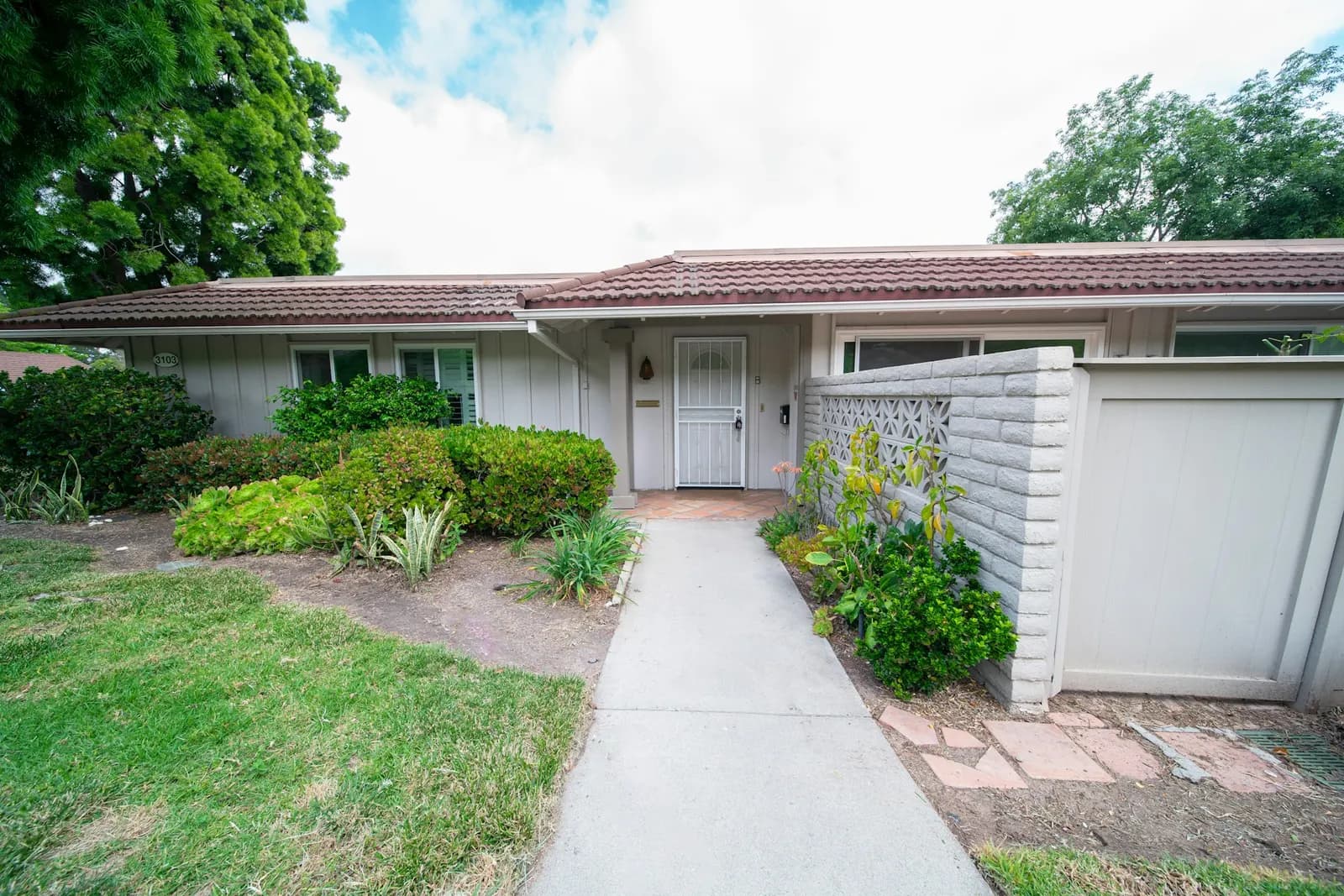
Westchester went up largely after the war. That gives the neighborhood something the rest of the Westside doesn't have: block after block of homes built around the same time, to a similar footprint, on similar lots.
What that means for you as a seller is that your buyer has a frame of reference. They've probably walked three other houses that look structurally like yours. So the things that separate your home from the others are the things that get noticed: what's been opened up, what's been added on, what's been left original, and how well any of it was done.
Original condition isn't a problem by itself. Plenty of buyers want the original footprint and their own plans for it. What creates a problem is partial work, a kitchen updated in one decade and a bathroom in another and nothing tied together. That reads as unfinished rather than authentic, and buyers price it that way.
If you're weighing what to touch, I go through the decision in selling as-is versus making repairs.
Permit history matters more here than in most places
Homes built seventy-some years ago on a standard footprint get added to. A bedroom off the back, a garage turned into living space, a patio enclosed at some point by someone who did good work and never pulled a permit for it.
This is common, it isn't shameful, and it isn't a dealbreaker. But it does need to be handled deliberately rather than discovered.
- Know what your records show before a buyer's agent does. The square footage in public records may not match what's actually there, and that gap needs an explanation you've prepared.
- Decide up front how you'll present it. Disclosed clearly and early, unpermitted space is usually a conversation. Discovered during escrow, it becomes a renegotiation.
- Understand what it does to an appraisal. An appraiser may or may not give value to space that isn't on the permit record, and your pricing should reflect that possibility rather than assume the best case.
There's more detail in what unpermitted work does to a Westside sale.
Buyers will ask about the airport, so answer it directly
Every buyer looking in Westchester knows where they are. Pretending otherwise reads as evasive, and evasive is the one thing you can't afford when someone is deciding whether to trust your disclosures.
The better approach is to be specific and unbothered. Know what your particular block is actually like at different times of day. Know what improvements the home already has, because sound-rated windows and insulation work are a real answer to a real question and they belong in your marketing rather than buried in a disclosure packet.
Buyers who are looking here have already decided the tradeoff is worth it for what they get in return. Your job isn't to talk them out of a concern they've already worked through. It's to give them accurate information so they can finish deciding. I've written more on how proximity plays into value in what LAX proximity does to Westside home values.
What to line up before you list
Four things, in this order:
- Pull your own records first. Permits, square footage, any past work. You want to be the person in the transaction who knows the most about the house, and right now that's a research afternoon, not a crisis.
- Get a real read on price. Because so much of the stock is similar, small differences move the number more than people expect. Two houses on the same block can be genuinely far apart in value based on what's been done inside.
- Decide what you're preparing and what you're leaving. Not everything is worth doing. Here's how to prepare a Westside home for market without spending on things buyers won't pay you back for.
- Write your disclosures early, not the week you go live. Rushed disclosures are how honest sellers end up looking like they were hiding something.
Where Westchester sellers actually get stuck
Usually it's the gap between what they remember paying to have work done and what the record says was permitted. That gap surfaces at the worst moment, and by then the buyer already has an inspection report and a reason to ask for money.
The fix is unglamorous. Find out first. Disclose plainly. Price with it in view instead of hoping nobody looks. Sellers who do that keep control of the conversation, and control is most of what a good outcome is made of.
If you want to know more about the neighborhood itself, there's a full Westchester neighborhood guide, and a side-by-side in Westchester compared with Playa del Rey.
If you're thinking about selling and want to know where your house actually stands, reach out. We'll start with what's on the record and what's in the house, and go from there.
Common questions
- Does unpermitted square footage have to be removed before I sell?
- No. It has to be disclosed. Buyers routinely purchase homes with unpermitted space once they understand what it is. What causes problems is the buyer finding out during escrow instead of before writing the offer.
- Will an appraiser count a converted garage or an enclosed patio?
- They may not, and you should price as though they might not. Appraisers vary in how they treat space that isn't on the permit record. Planning around the less favorable outcome keeps a low appraisal from derailing your escrow.
- Should I update the kitchen before listing a Westchester home?
- It depends on what else is original. A single updated room surrounded by untouched ones often reads as unfinished. If you're not doing enough to make the house feel coherent, your money usually goes further on paint, landscaping, and presentation.
- How much does airport proximity affect what I can ask?
- It varies block by block, and buyers looking in Westchester have already priced the tradeoff into their expectations. What moves your number more is the condition of the house and whether it has real sound-mitigation improvements you can point to.
- How do I find out what permits exist on my house?
- Los Angeles keeps building records you can request, and I pull them for my sellers as part of preparing to list. Do it early. Finding a surprise in month one is a research project. Finding it in escrow is a negotiation.
- Is Westchester harder to sell than the rest of the Westside?
- It's different, not harder. The buyer pool is well informed and knows exactly what it's looking at, which rewards sellers who prepare properly and disclose clearly, and punishes sellers who hope nobody asks.