The method
How I Sell a Home
The six steps I run on every listing, from the condition walk to the keys. Pricing strategy, the digital launch, and who handles the vendors.
The short version
Selling a house isn't complicated. It's just detailed, and the details are where most of the money is won or lost.
Here's the whole thing in one paragraph. I walk the property and tell you honestly what it needs. We agree on a pricing strategy, and you pick it, not me. I help schedule the work you decide to do, so the details don't land on you. The house gets photographed, filmed, and given its own website. Then it launches into a paid digital campaign on the day it hits the market, rather than waiting on the MLS for somebody to notice. When offers come in, I negotiate them. Then I manage escrow to the keys.
Six steps below. Every one of them is something I do, not something I hand back to you as a checklist.

The condition walk
Before we talk about price, I walk the house with you.
This step comes first because of where I come from: decades around contracting work, and years in legal paperwork, before I ever held a license. I'm not looking at your kitchen wondering whether buyers like the counters. I'm looking at the roof, the drainage, the panel, anywhere old work meets new, and the places a buyer's inspector will stop and write a paragraph.
What comes out of that walk is a straight answer on what needs to happen to return money at sale. I'll tell you what's worth doing and why. And if you ask me about an improvement that won't return what it costs, I'll tell you that too, and explain why it isn't a good use of your money. Sellers routinely spend on the wrong repairs because nobody told them which ones a buyer will actually pay for.
Then I handle the work. Cleaning, repairs, staging, sign install, the vendors and the scheduling and the follow-up. This is what concierge means here, and it's included rather than sold as an upgrade. My long-standing vendor relationships are the reason I can promise it without flinching. You shouldn't need to take days off work to let people into your own house.
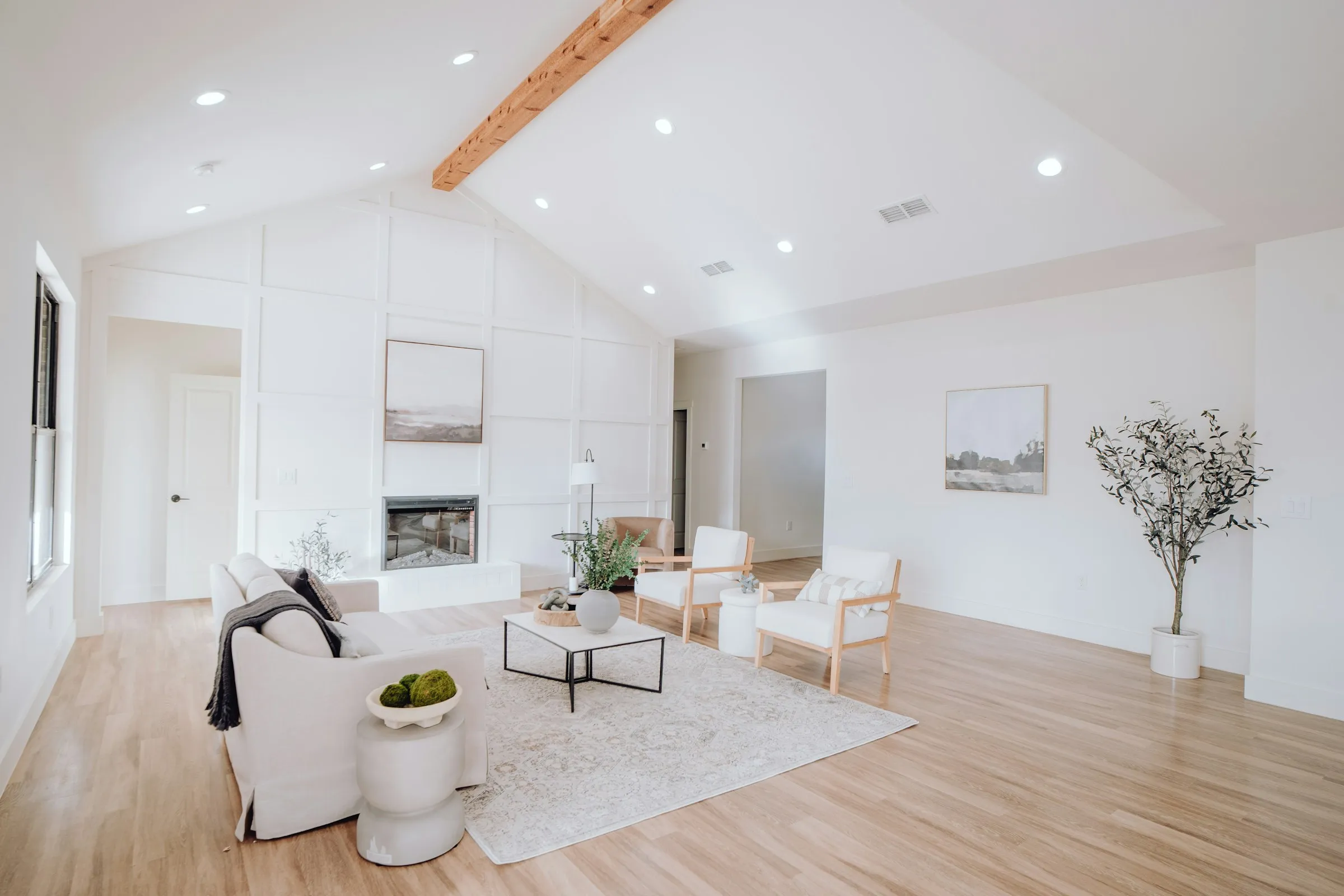
The staging consultation is mine, and it's part of this rather than an add-on. I walk the house and tell you what to move, what to lose, and what to leave. I also have pieces of my own I can add to yours where that's what the room needs. And for a vacant home, virtual staging is on the table.

Photography, video, and a website of its own
Your house gets professional photography, drone work for the exterior and the neighborhood around it, and a walkthrough video.
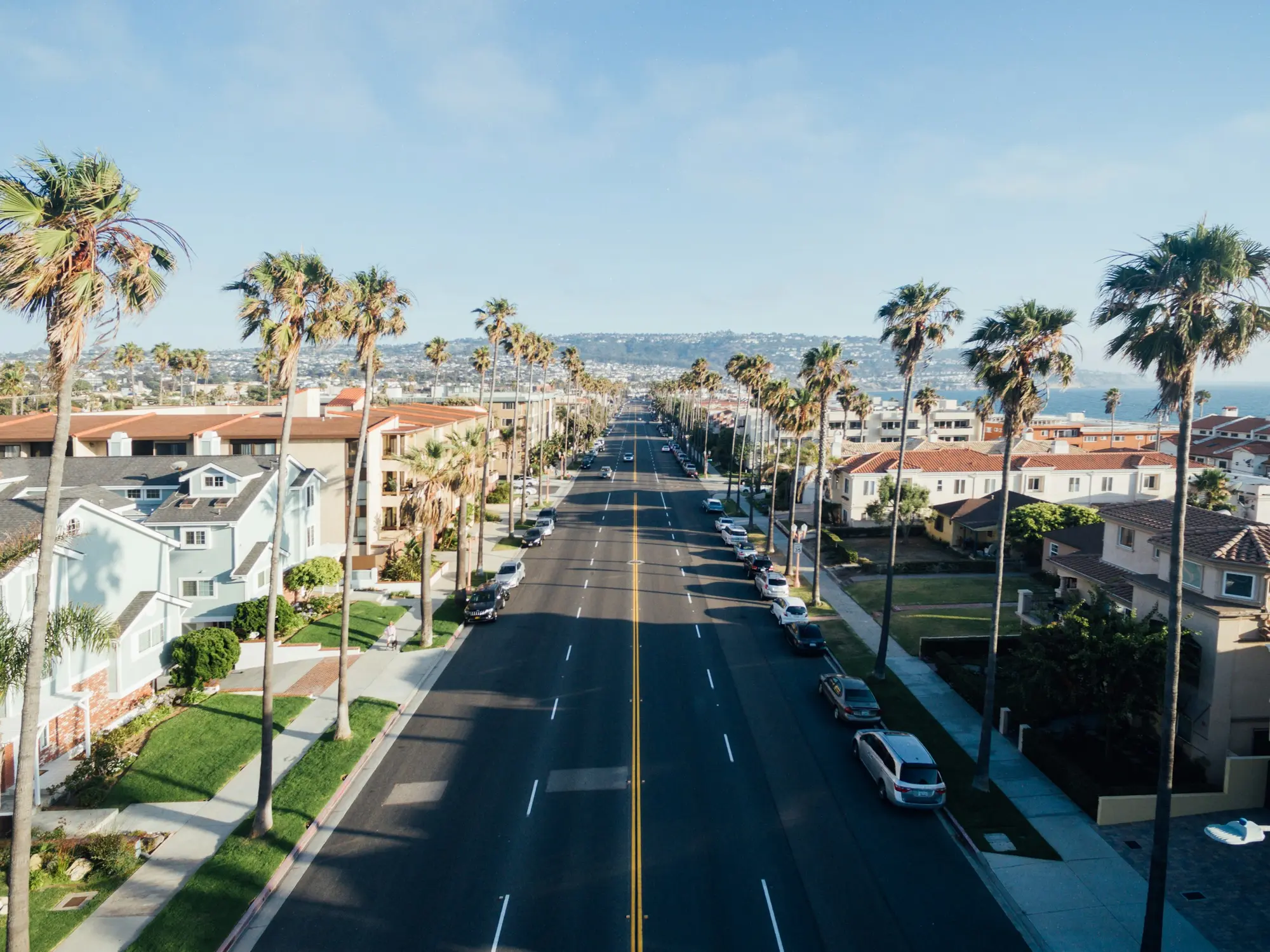
Drone matters more than people expect. A still photo of a house is a house. An aerial showing what's around it, how close the water or the trail or the open space actually is, sells the reason somebody wants to live there rather than somewhere else. The neighborhood is half of what a buyer is purchasing, so I show it.
Every listing also gets its own custom website. Not a page on my site. Its own address, built for that one house, with the photography, the video, the neighborhood detail, and a way to reach me directly.
That site is what gets shared. It's what I send to buyer agents, what runs in the ads, and what neighbors forward to the friend who has been saying for a year that they want to move closer. A portal link is a listing. A dedicated site is a presentation, and it says something about how the house is being handled before a buyer has walked through the door.

Three pricing strategies, and you choose
I bring three numbers to a listing appointment, with the honest tradeoff attached to each one, and then you decide.
Plan A, testing the ceiling. We list at the top of the comparable range and aim for multiple offers above asking. This suits a strong property in a strong moment, and a seller who's comfortable with some risk. The risk is real and I'll name it: if the offers don't come, the listing loses momentum, and recovering from that costs more than starting lower would have.
Plan B, matching the market. We list where the comparable sales actually are, and attract steady, serious interest. This is the right answer for most sellers and most houses, and it's what I recommend when there's no specific reason to do something else.
Plan C, testing the floor. We list below the comparables deliberately, to create competition. This works for unusual properties, for a house that needs work, for a floor plan that suits a narrower buyer, and for sellers who value certainty over squeezing out the last dollar. The risk, again named honestly: misjudge the market and you leave money behind.
I'm genuinely comfortable executing any of the three. What I won't do is name a number to win your listing and then spend the next two months asking you to reduce it. You get my recommendation and my reasoning. The decision is yours, and I run whichever one you pick exactly the same way.

The digital launch, and what it actually is
This is the step that separates a listing that works from a listing that waits, and it's the one worth reading closely.
The ordinary version of marketing a house is: put it on the MLS, let it syndicate to Zillow, Realtor.com and Redfin, hold an open house, and hope. That isn't a marketing plan. That's distribution. It's the baseline, not the plan.
On every listing I take, the house launches into a paid digital campaign on day one. Meta ads, retargeting so people who looked once see it again, and AI audience targeting to put the house in front of people whose behavior says they're actually shopping in this price band and this part of the city. Every listing gets it. Not only the expensive ones, and not as an upsell.
Alongside that: MLS and full syndication to the major portals, an open house, and outreach to the surrounding blocks. Neighbors are a genuinely underrated buyer pool. The person who already wants to live on your street is frequently already living two streets over.
Then, every Monday, you get an update from me. Showings, what feedback came back, what the ads are doing, what I think it means, and what I recommend we do this week. Proactive, on a schedule, whether the news is good or not. You should never have to call your agent to find out what's happening with your house.
I also refresh the comparable market analysis monthly until it sells, because the market moves and a price that was right in March isn't automatically still right in June.
Offers, and the parts that aren't the price
When offers arrive, the number on the front page is only part of what you're choosing between.
I go through each one with you on the terms that decide whether it actually closes. How the buyer is financed and how solid that approval really is. What their appraisal position is. Which contingencies they're keeping and for how long. Their timeline against yours. Whether they need to sell something first. What their agent has been like to deal with so far, which tells you more than people expect.
A higher offer that falls apart in week three is worse than a slightly lower one that closes, because you lose the money and the market position and the momentum all at once. Sometimes the strongest offer isn't the biggest one, and my job is to tell you that clearly rather than let you find out later.
Five years as an executive legal secretary left me comfortable in the paperwork. I read the whole document, including the parts that are inconvenient to read, and walk you through what each part asks of you, so nothing in it surprises you later.
Then I negotiate. Counters, multiple-offer situations, repair requests after inspection, appraisal gaps. This is the part clients tell me they were most anxious about, and it's the part I most enjoy.
The first week a home is live is the week it gets the most attention it will ever get. Everything before that week exists to make it count.
Escrow to the keys
In California this runs through escrow and title rather than a closing attorney, and there's a specific sequence of dates that all have to land.
Inspections and the buyer's investigation period come first, then the appraisal, then loan contingency removal. I negotiate any repair request that comes out of the inspection. Disclosures get done properly and on time, which isn't a formality but the thing that protects you after the sale. Then we reach the final walkthrough, signing, recording, and keys.
I track every one of those dates and I chase the people responsible for them. Lenders, escrow officers, the other agent, inspectors, the appraiser. You get told what's happening and what, if anything, you need to do. Usually the answer is nothing, which is the point.
After it closes I stay reachable. Contractor recommendations, questions about your paperwork, the name of the good plumber, help for whoever you send my way next. My business runs almost entirely on repeat clients and referrals, and that only works if I'm still around after the check clears.
That's the whole process. If anything here raises a question about your specific house, it's worth a phone call rather than a form.
Questions
Frequently Asked Questions
What does it cost to list my home with you?
Your fee appears on your estimated proceeds sheet, line by line, next to every other cost of selling, and I walk you through all of it when we meet. Nothing shows up later as a surprise. Everything on this page, the photography, the drone, the video, the custom site, the digital campaign, the vendor coordination and the staging consult, is included, and none of it is an extra charge.
How long will it take to sell?
That depends on the house, the pricing strategy you choose, and what the market is doing when we list. I'll give you a realistic read on your specific property using current comparable sales rather than a number designed to make you feel good. What I can tell you is that you get an update every Monday, so you always know where things stand.
Do I have to fix everything before we list?
No, and most sellers spend money on the wrong things. That's exactly what the condition walk in step one is for. You get a straight answer on what's worth doing. If there's something you're considering that I haven't recommended, ask me and I'll tell you whether it'll return what it costs. Then I coordinate the work that's worth doing.
What makes your marketing different from any other agent's?
Every listing I take launches into a paid digital campaign on day one, with retargeting and AI audience targeting, and gets its own custom website. MLS and portal syndication on their own are distribution rather than marketing. The difference is whether your house is actively put in front of the right buyers or simply made available to anyone who happens to look.
Keep exploring
Ready to make your move with First Key Pacific?