2026-10-16 · 7 min read · Westchester
Selling a Westchester Home With a Fireplace? What a Chimney Inspection Looks For
The short answer
If your Westchester home has a wood-burning fireplace, expect the buyer to look closely at the chimney. A general home inspector will check what can be seen from the room and the roof, and if anything raises a question, the report will usually recommend a chimney specialist. That specialist does a deeper inspection, often with a camera run up the inside of the flue.
Nothing about this stops a sale. What it can do is change the conversation in escrow, because a chimney finding tends to arrive late, after the buyer has already pictured themselves in the house. The sellers who handle it best know what is up there before a buyer does.
Why this comes up so often in Westchester
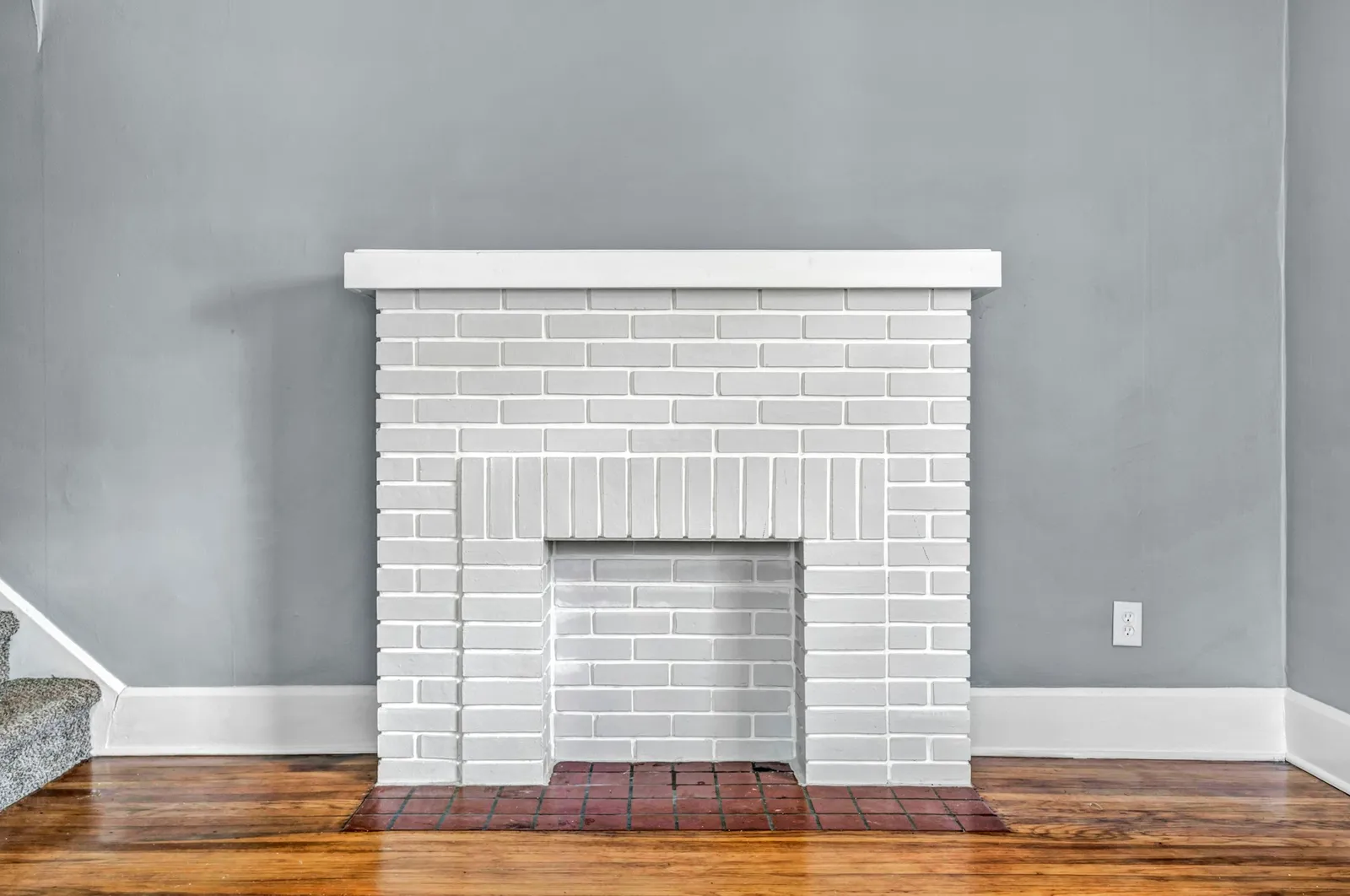
Many Westchester homes were built in the decades after World War II. If yours is one of them and still has its original brick fireplace, that chimney has been standing for decades, through every rainy season, every hot summer, and every earthquake since it was built.
Brick and mortar age. Mortar joints soften, the concrete cap on top of the chimney cracks, and clay flue tiles inside can crack or shift. Brick chimneys can also be damaged by earthquakes in ways you cannot see from inside the living room. None of that means your chimney has a problem. It means a careful buyer will want to know, and a careful seller should too.
What a general home inspection covers, and what it does not
A buyer's general home inspection is a visual inspection. For a fireplace, that usually means the inspector looks at the firebox, the damper, the hearth, the visible parts of the chimney from the roof or the ground, and the area where the chimney meets the roof.
What a general inspector typically does not do is look inside the full length of the flue. That is a specialty job. So when an inspector sees soot staining, a cracked crown, loose bricks, a missing cap, or a damper that does not close, the report often says something like "recommend further evaluation by a qualified chimney professional."
That one sentence is where many fireplace questions start. The buyer now has an open item, a short window to investigate it, and no idea yet what it will cost. More on how that window works in understanding contingencies in a California home purchase.
The three levels of chimney inspection
Chimney professionals work from a national fire safety standard, NFPA 211, published by the National Fire Protection Association. It describes three levels of inspection.
- Level 1. A check of the readily accessible parts of the chimney and fireplace. This is the routine inspection for a chimney that is in regular use with no changes.
- Level 2. Everything in Level 1, plus accessible attics, crawl spaces, and the inside of the flue, usually with a video camera. The standard calls for this level when a property is sold or transferred.
- Level 3. Used only when a serious hidden problem is suspected. It can involve opening up part of the chimney or the wall around it.
When a buyer's inspector recommends a specialist, the buyer is usually asking for a Level 2. Whether one is required by a local rule depends on where you are, but in a typical California purchase, the buyer chooses which inspections to order during their investigation period, and a Level 2 on an older brick chimney is a common choice.
What a chimney specialist looks for
A Level 2 report will walk through the chimney from the hearth to the top. The findings that come up most often on older brick chimneys include:
- Cracked or missing flue tiles, which can let heat and gases reach the wood framing around the chimney.
- A cracked or deteriorated crown, the concrete cap on top that keeps water out of the brick.
- Worn mortar joints in the brick above the roofline.
- Gaps or separation where the chimney meets the house or the roof.
- A missing cap or spark arrestor, the screened cover on top.
- Creosote buildup inside the flue from years of wood fires.
- A damper that sticks or does not seal.
If the fireplace has been converted to gas logs, the specialist will also look at the gas line, the valve, and whether the fireplace is set up correctly for gas use.
The report will separate items that are routine maintenance, like a cleaning, from items that affect safe use, like a damaged flue. That distinction matters a great deal when it is time to talk about repairs.
Should you get a chimney inspection before you list?
For an older brick chimney, I often suggest it. A Level 2 inspection ordered before you list gives you the answer on your timeline instead of the buyer's. If the report is clean, you have a document to include with your disclosures, and buyers tend to relax when a question is already answered. If the report finds something, you can decide what to do with time to get a second opinion and real bids.
It fits naturally alongside a broader pre-listing home inspection. And if you are already looking at the house's age for other reasons, the earthquake safety disclosure for Westchester homes built before 1960 and the older electrical panel question are worth reviewing at the same time.
Keep in mind that once you know about a problem, you have to disclose it. A pre-listing report is not a way to find things quietly. It is a way to find them early, when you have the most choices.
Your options when the report finds something
Whether the finding comes from your own inspection or the buyer's, the choices are the same.
- Repair it before or during escrow. Smaller items, like a new cap, crown repair, repointing mortar, or a cleaning, are often straightforward. Larger items, like relining a damaged flue or rebuilding the chimney above the roofline, take more time and planning.
- Offer a credit. Some buyers would rather choose their own contractor and handle the work after closing.
- Adjust the price. When the issue is known before you list, it can be reflected in pricing from the start.
- Disclose it and sell as is. This is a legitimate choice, as long as the disclosure is complete. More on that in whether to sell as is or make repairs.
Which one makes sense depends on the finding, the bids, and the buyer. If a buyer sends a repair request, it helps to know how to read it and respond calmly. I cover that in negotiating repair requests after a home inspection.
Disclosure: what to tell the buyer
California sellers fill out the Transfer Disclosure Statement, and its checklist includes fireplaces and gas starters, with space to note anything that is not working. Beyond the checklist, you are expected to disclose what you know that could affect the value or desirability of the home.
For a fireplace, that can include a chimney you were told not to use, past repairs, a cracked flue someone mentioned years ago, water that came in around the chimney during a storm, or the fact that you simply have not used it in a long time. If you have receipts or old reports, put them in the package. A full picture usually reads better to a buyer than a short one. My guide to California seller disclosures walks through the full package.
How I handle the fireplace on a Westchester listing
When I walk a Westchester home with a brick fireplace, I look at the chimney from the street and ask you what you know about it. When was it last used? Has anyone looked at it? Has it ever been repaired? If the answers are thin, we talk about getting a Level 2 inspection before the home goes on the market, and I coordinate the chimney specialist for you along with the rest of the preparation.
That way the fireplace stays what it should be in your listing, a feature buyers want, and not a surprise in the middle of escrow.
If you are thinking about selling and want to walk through what your home needs before it goes on the market, let's talk. I'm here when you're ready. Call or text me at 310.708.7717.
Common questions
- Is a chimney inspection required to sell a house in California?
- A chimney inspection is not one of the standard California seller disclosures. In a typical purchase, the buyer decides which inspections to order during their investigation period. The national chimney standard, NFPA 211, calls for a Level 2 inspection when a property is sold, so buyers with an older brick chimney often ask for one.
- What is a Level 2 chimney inspection?
- A Level 2 inspection covers everything in a basic chimney check, plus accessible attics and crawl spaces and the inside of the flue, usually with a video camera. It is the level the NFPA 211 standard recommends when a home is sold or transferred.
- Do I have to repair a cracked chimney before I sell?
- No. You can repair it, offer the buyer a credit, reflect it in the price, or disclose it and sell as is. What you cannot do is leave it out of your disclosures once you know about it.
- My fireplace has gas logs. Does the chimney still matter?
- Yes. Gas logs still vent through the chimney, so the flue needs to be sound. A specialist will also check the gas line, the valve, and whether the fireplace is set up correctly for gas use.
- We never use the fireplace. Do we need to mention that?
- It is worth disclosing. A buyer may plan to use it, and knowing it has not been used or checked in years helps them decide whether to order a chimney inspection. When in doubt, disclose.