2026-06-11 · 4 min read · Playa del Rey
Should You Sell As-Is or Make Repairs Before Listing Your Westside LA Home?
Before anything goes on the market
This question comes up on nearly every seller consultation I do. The home needs work, and you can see it. But what kind of work? How much? And is it worth doing before you list, or is it better to price the home where it is and let a buyer handle it? Here is how I think through this with sellers, because it is not a one-size-fits-all answer, and getting it wrong in either direction costs you money.
What selling as-is actually means in California
First, a clarification that surprises some sellers. Selling as-is does not mean you skip the disclosures. In California you are still legally required to disclose all known material defects regardless of how the home is priced or marketed. As-is means the buyer accepts the property in its current condition and is not expecting you to make repairs as part of the deal. It does not mean buyers will not inspect, and it does not mean you can withhold what you know. The disclosures come either way.
When selling as-is is the right call
There are sellers for whom the as-is route is clearly the better choice. If you are dealing with an estate and no one has the bandwidth to coordinate a renovation, pricing the home to reflect its condition and selling it as-is often involves less friction than trying to prep a property no one is living in. If the home needs major structural or systems work that would cost more than you would realistically recover in the sale price, pricing it right and selling as-is is more honest and more efficient. If time pressure is real, whether a relocation deadline, a family situation, or a financial need to close quickly, skipping the prep and pricing it accordingly is sometimes the best plan available. I do not steer sellers away from as-is when the situation genuinely points there.
When making repairs before listing pays off
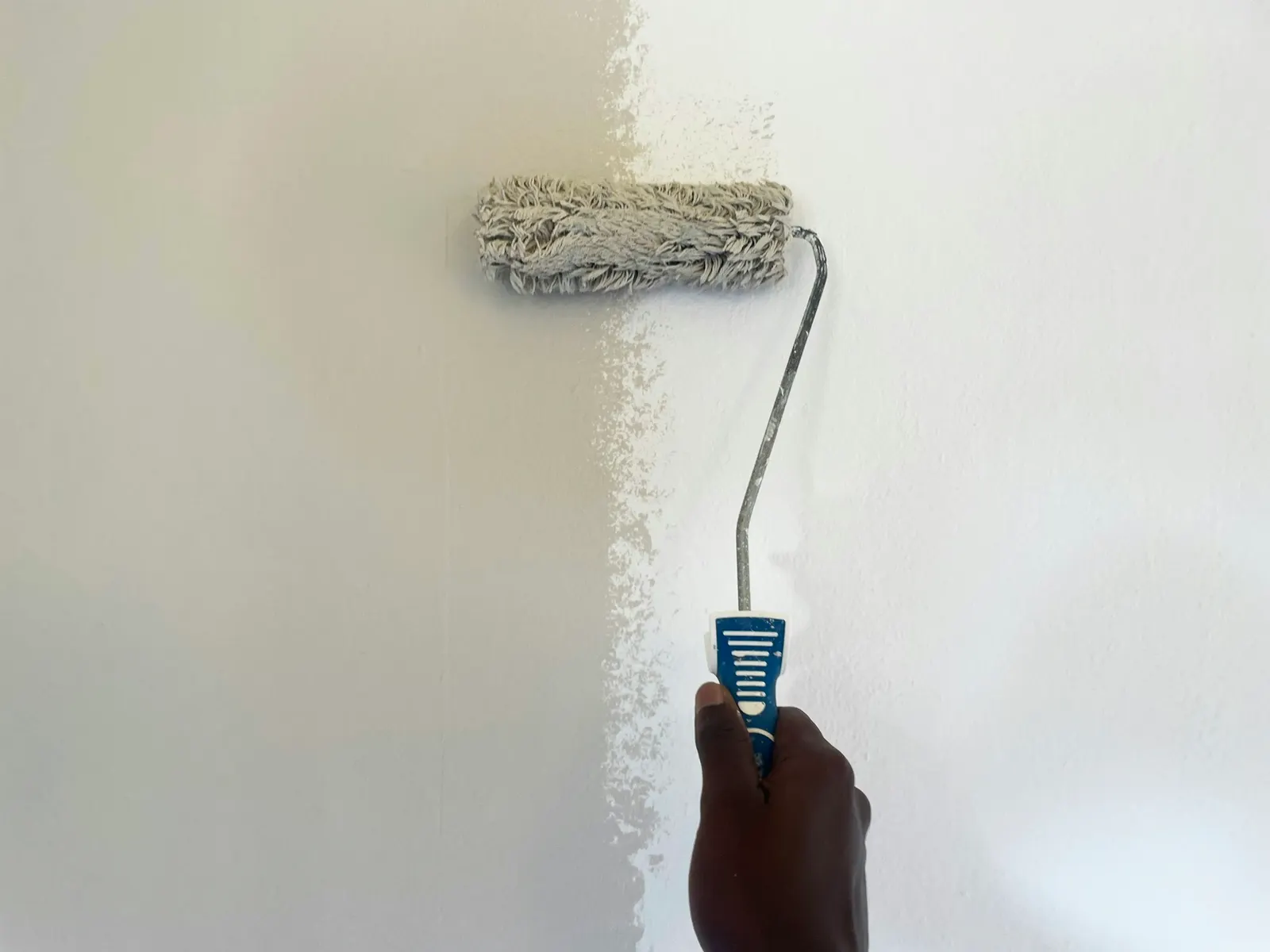
The repairs worth doing are the ones that return more than they cost and remove buyer objections. These are usually not big renovation projects. They are condition fixes: a leaking faucet, a damaged section of flooring, peeling paint in obvious places, a ceiling stain that photographs badly. When a buyer sees issues like these in a showing, the typical response is not to accept the condition at the listed price. They walk away, make a low offer, or ask for a price reduction that is usually larger than the repair cost would have been. Any of those outcomes costs you more than the fix. The bigger list of seller missteps is in the biggest mistakes sellers make.
The repairs that rarely pay back are the big visible upgrades: a full kitchen remodel, a bathroom gut, a major addition. Buyers on the Westside price these against their own taste, and there is no way to know they will value your choices at what you paid. Fresh neutral paint almost always returns its cost. A renovated kitchen in a specific design sometimes does and sometimes does not, and costs significantly more than paint.
The walkthrough that tells you what you actually need
Before a dollar is spent, I walk every home. Decades around a contracting business before real estate taught me to read a house carefully, separating the condition issues that will stop buyers in their tracks from the ones buyers will accept or overlook. You get a specific list: do this, skip that, and here is why each choice matters. No guessing, no overspending on things that will not move the number. This walkthrough is part of the Two-Week Launch Plan I run on every listing, and it happens early enough that what matters can be addressed before Media Day, not after you are already live on the market.
The pricing conversation that follows
Once you know what you are doing and what you are skipping, the price falls into place. A home that has been repaired, cleaned, and staged is priced differently than one sold as-is. Both are legitimate approaches. The right one depends on your timeline, your capacity to manage work before you list, and the specific math for your home. That is the conversation I have with every seller before we start. If you want a real number for your home in either scenario, start with what your Westside Los Angeles home is actually worth.
Work with an agent who's here when you're ready
The as-is versus repairs decision should be based on your specific home and situation, not a general rule. I handle the analysis, walk the home with you, and tell you exactly what is worth doing and what is not. Then I handle everything from there: the vendors, the launch, the offers, and the close. No pressure, just real answers. Your next chapter starts here.
If you want to talk it through, book a consultation and we will map out your options together. No pressure, just real answers.
If you want to talk it through
Selling is a long list of small decisions, and most sellers make them alone. That is the part First Key Pacific takes off your plate on the Westside. When you are ready to talk it through, reach out and we will map it out properly.
Common questions
- Does selling as-is mean I don't have to make any repairs?
- Yes, but it does not mean you skip disclosures. In California you are still legally required to disclose all known material defects regardless of how the home is marketed. As-is means the buyer accepts the property in its current condition, not that you can withhold what you know about it.
- Which pre-sale repairs are worth the money on the Westside?
- The ones that return more than they cost and remove buyer objections. Fresh paint, minor cosmetic fixes, and obvious condition repairs almost always return their cost. Full kitchen or bathroom renovations rarely do, because buyers value them against their own taste rather than at your cost.
- How do I know if my home needs repairs before selling?
- Walk it with an agent who knows what to look for before you spend anything. I do a detailed walkthrough of every listing and give you a specific list of what to fix and what to skip. That analysis is part of the process I run on every seller consultation at no charge.
- Will selling as-is get me less money?
- It depends on the home and the situation. A home with major deferred maintenance, priced accurately to reflect its condition, can draw strong offers from buyers who want a project. A home with minor, fixable issues sold as-is at a market price often leaves money on the table. The right call depends on your specific home and your timeline.
- Should I renovate my kitchen before selling?
- Probably not a full remodel. A fresh clean, updated hardware, and a coat of paint on the cabinets if they need it will do more for buyer perception at a fraction of the cost. Full kitchen renovations almost never fully recover in a sale and add timeline pressure you may not want.