2026-09-26 · 6 min read · Westchester
Is There a Protected Tree on Your Westchester Lot? What It Means Before You Sell or Build
The short answer
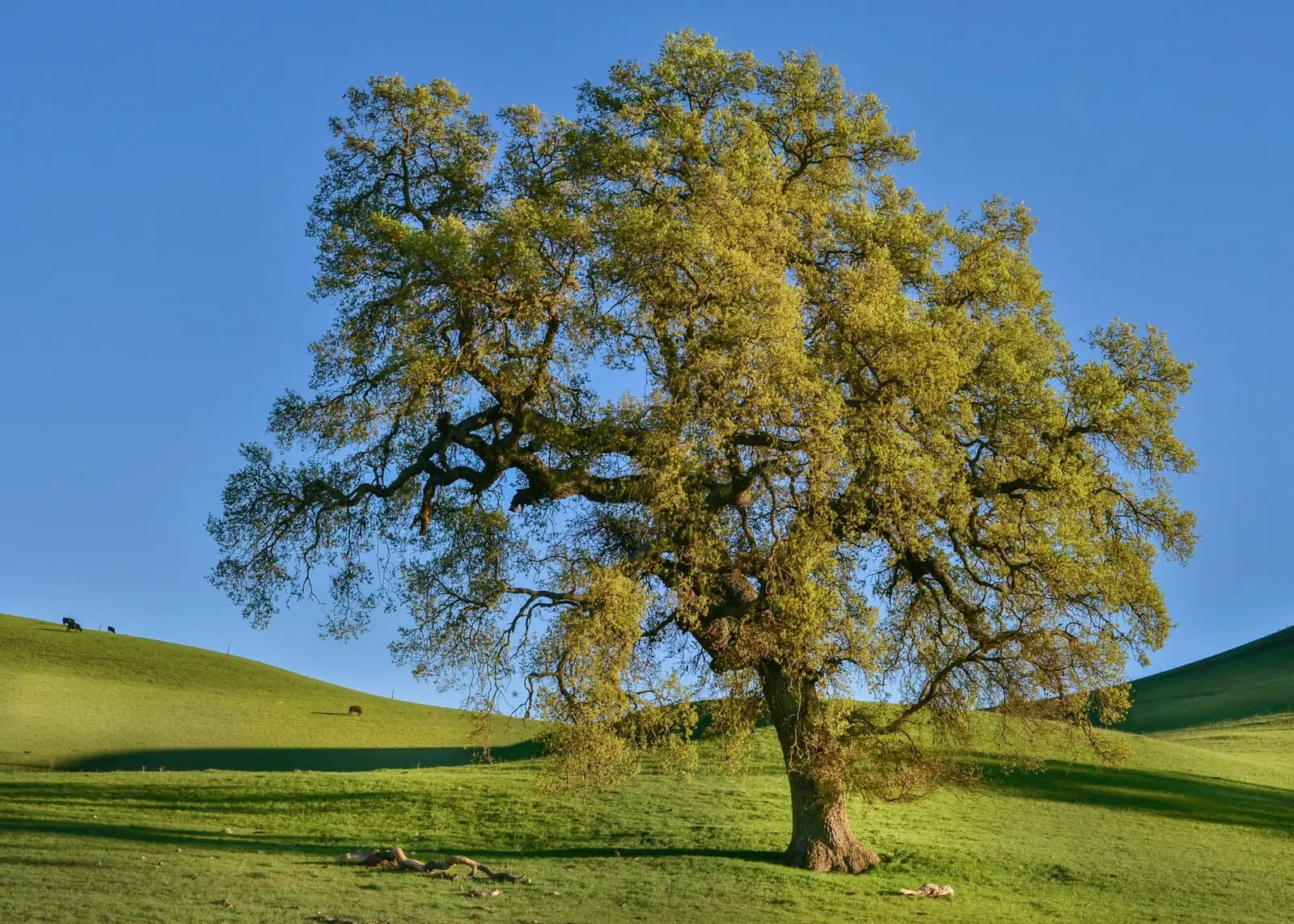
Yes, a tree can limit what happens on a Westchester lot, but only certain trees. The City of Los Angeles protects a short list of native species, and if one of them is growing on the property at a size the city regulates, nobody can remove it or move it without a permit from the Board of Public Works. That includes you, your contractor, and whoever buys the house from you.
Most backyard trees are not on the list. A ficus, a palm, a jacaranda, a fruit tree, or a pine is generally yours to manage like any other part of the yard. The question is which tree you actually have, and that is a question with a real answer, not a guess.
For a seller, this matters because it can shape what a buyer is able to build. For a buyer, it matters before you fall in love with a plan for the back of the lot.
Which trees the city protects
The rules sit in the Los Angeles Municipal Code, starting at Section 46.00, under the heading of protected tree and shrub regulations. The protected list covers:
- Southern California native oaks, with scrub oak left out
- Southern California black walnut
- Western sycamore
- California bay
- Two native shrubs added later, Mexican elderberry and toyon
Size is the second test. The city regulates these species once the trunk reaches four inches in diameter, measured about four and a half feet above the ground. A young oak smaller than that is not yet regulated. A mature one almost always is.
Then there is the tree that is not really yours at all. The strip between the sidewalk and the curb is usually public right of way, and a tree planted there is a city street tree, whatever the species. Pruning, removing, or replacing a street tree runs through the Urban Forestry Division at StreetsLA. An owner can care for a parkway tree for years and still need the city's sign-off to touch it.
What a protected tree actually changes
A protected tree does not freeze the property. You can live there, sell it, remodel the kitchen, and repaint the house without anyone asking about the oak out back. What it changes is anything that would remove the tree, relocate it, or damage it on the way to building something else.
Removal takes a permit, and the permit is not automatic. When one is granted, the code calls for replacement planting on the property, at least four new protected trees for each one taken out. On a standard city lot that requirement alone can reshape a backyard plan.
The quieter issue is the root zone. A new addition, a pool, an ADU, or a driveway can threaten a tree without anyone ever cutting it. Excavation close to a large trunk is the kind of work the city wants to see reviewed before it starts, and City Planning uses a tree disclosure statement on project applications so that protected trees get noticed early, not after the foundation is poured.
That is why the tree tends to surface at the design stage. An architect draws a rear addition, someone measures the trunk, and the footprint moves. That conversation is easy early and expensive late.
Why this comes up in a Westchester sale
Westchester buyers often look at a single-story home on a good-sized lot and see a second story, a bigger kitchen, or an ADU in the back. That plan runs through several rules at once. How much house the zoning allows is one of them, and I covered that side in how big you can build on a Mar Vista lot, since the same citywide ordinances apply. What the lot's records say is another, which is what a ZIMAS lookup is for.
A zoning lookup will not tell you what is growing in the yard, though. The tree is a physical fact on the ground, and the only way to know is to look at it and, when it matters, have someone qualified identify it.
For a seller, the practical point is simple. If a buyer's plan depends on the space a protected tree occupies, that buyer is going to find out during their investigation period. It goes better when they find out from you, with the facts already in hand, than from their architect ten days into escrow.
This sits next to the other items a Westchester seller handles before closing, like the retrofit requirements. None of them are dramatic on their own. They are the details that keep a clean escrow clean.
What I'd do before listing
- Walk the yard with the species list. Look for oaks, sycamores, walnuts, bay trees, elderberry, and toyon. If nothing on the lot resembles any of them, you are likely done.
- Get an arborist's opinion on anything uncertain. A certified arborist can identify the species and measure the trunk. A short written note from one answers the question for you and for your buyer.
- Check the parkway. Know whether the tree out front is a city street tree, and do not prune or remove it on your own before the sale.
- Do not remove a tree to make the question go away. Taking out a protected tree without a permit can bring city enforcement and penalties, and it turns a manageable disclosure into a real problem.
- Put what you know in writing. California sellers disclose what they know about the property. If you know a protected tree is on the lot, say so, and hand over the arborist note if you have one.
If you're the buyer
Treat the tree like any other item you verify during your investigation period. If your plan for the house involves the rear yard, have the tree identified before you remove contingencies, and talk to a designer or architect about where the root zone falls. If you love the tree and have no plans to build near it, a protected oak can be one of the best things about the lot. It shades the yard, it took decades to grow, and it is not going anywhere.
What you want to avoid is buying a lot for a plan the tree will not allow. That is a solvable problem when you know about it on day three, and a costly one when you find out after closing.
A note on changing rules
The protected list has been amended before, and the city has studied further changes to its tree rules. Before you rely on any specific requirement for a project, confirm the current version with the city or with the professional handling your permits. This article is a map of the questions to ask, not a substitute for that check.
If you are getting ready to sell in Westchester, or you are looking at a home with a big tree and a bigger plan, I can walk the property with you and tell you what I would look into first. I stay in touch. No pressure, just real answers. Start the conversation here.
Common questions
- Which trees are protected in the City of Los Angeles?
- Southern California native oaks other than scrub oak, Southern California black walnut, Western sycamore, and California bay, plus two native shrubs, Mexican elderberry and toyon. They are regulated once the trunk reaches four inches in diameter, measured about four and a half feet above the ground.
- Can I cut down an oak tree on my own Westchester property?
- Not a protected one without a permit. Removing or relocating a protected tree in the City of Los Angeles requires a permit from the Board of Public Works, and approved removals come with replacement planting on the property.
- Do I have to disclose a protected tree when I sell?
- California sellers disclose what they know about the property. If you know a protected tree is on the lot, and especially if it could affect what a buyer can build, put it in writing and share any arborist report you have.
- Is the tree between the sidewalk and the street mine?
- Usually not. The parkway strip is generally public right of way, so a tree there is a city street tree. Pruning or removing it goes through the Urban Forestry Division at StreetsLA.
- Will a protected tree lower my home's value?
- Not on its own. Plenty of buyers value a mature tree. It matters when a buyer's plans depend on the space the tree occupies, which is why knowing the facts before you list helps the sale go smoothly.