2026-06-15 · 5 min read · Playa del Rey
Unpermitted Work and What It Means When Selling Your Westside LA Home
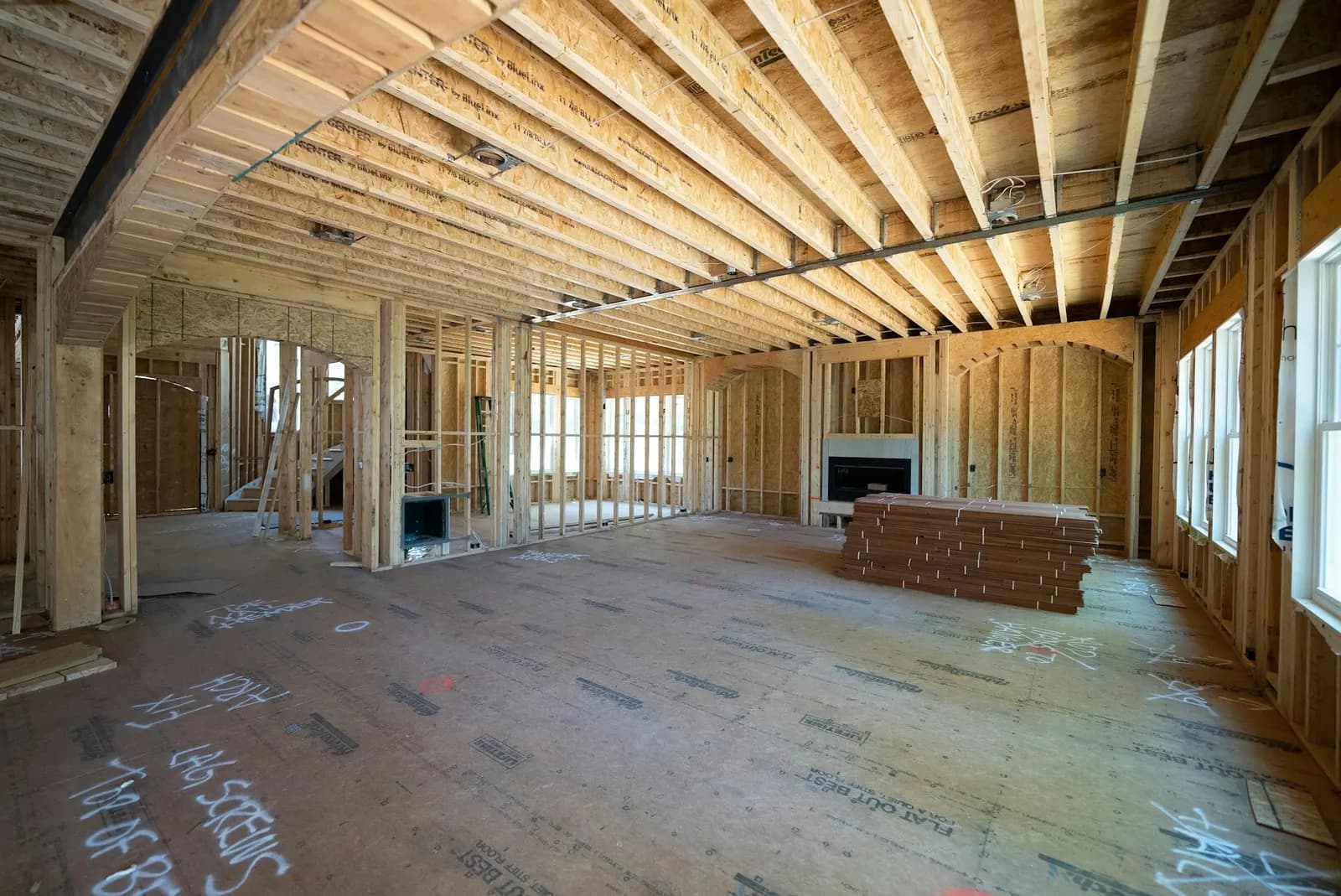
The part sellers underestimate
You added a sunroom in 2003. A previous owner finished the space above the garage sometime in the 1990s. You know the work was done, but you are not sure any of it was permitted. Now you are selling.
This situation is common on the Westside, especially in homes held for 20 or 30 years. Here is what you need to know before you list.
What Unpermitted Work Actually Means
When construction work is done with a permit, a city inspector visits the job site at key stages and signs off that the work meets code. When work is done without a permit, it is never officially inspected or approved. The work may be perfectly sound, or it may have problems that no one ever checked.
Unpermitted does not automatically mean dangerous or illegal to live in. But it does mean the city has no record of it, and that creates specific issues when you go to sell.
What Is Common in Long-Held Westside LA Homes
Permit records are not always what you would expect. In long-held Westside LA homes, unpermitted improvements often include:
- Garage conversions or partial conversions to living space
- Room additions or sunrooms added to the back or side of the home
- Electrical panel upgrades done by a homeowner or unlicensed contractor
- Bathroom additions in areas originally designed for storage
- HVAC replacements where the contractor skipped the permit
- Deck or patio cover additions
In many cases, the seller did not do the work and is not sure of its permit status. What matters is what you know, and what you do about it before you list.
Your Disclosure Obligation in California
California requires sellers to disclose all known material facts about their property. Unpermitted improvements are a material fact. If you know work was done without a permit, that needs to appear on your Transfer Disclosure Statement.
What you are not required to do is conduct an investigation you would not otherwise conduct. If you genuinely do not know something, you disclose that you do not know. But if you know, you cannot stay quiet about it. The risk of not disclosing is post-sale liability, which is a common source of buyer complaints after closing in California.
For a full overview of what California sellers are required to disclose, see What California Sellers Must Disclose.
How Buyers React
Buyer reaction depends heavily on what the unpermitted work is.
A small deck addition or a patio cover with no permit is something many buyers accept without much concern. They note it, factor it in, and move forward.
A garage conversion that added several hundred square feet of living space is a different situation. Unpermitted square footage typically cannot be included in the appraised value for financing purposes. If the buyer's lender appraises the home, square footage from an unpermitted addition may not count toward the appraised value, which can affect the buyer's loan approval and the price the deal can actually support.
FHA and VA buyers face stricter property condition requirements than conventional buyers, and unpermitted work can trigger additional scrutiny or outright loan denial on those programs. A seller with unpermitted improvements will generally draw a stronger pool of conventional and cash buyers.
The cleaner approach is to address the issue before you list so buyers know what they are buying and you are not managing the conversation mid-escrow.
Options for Sellers
Retroactive permits. Some work can be permitted after the fact. Los Angeles has processes for this, though the cost and complexity vary widely by type of work and whether bringing it to current code is feasible. A contractor or permit expediter familiar with the Los Angeles permit office can give you a realistic picture for your specific situation before you commit to anything.
Disclose and price accordingly. This is the most common approach. You disclose the unpermitted work, and the price reflects what a buyer is getting. Buyers who are comfortable with it proceed. Those who are not will look elsewhere, and that is the right outcome. You are not hiding anything, and you have limited your post-sale exposure.
Remediate. For some types of unpermitted work, removing it before listing is technically an option. A converted garage can be converted back. In practice, this is rarely the right call because it destroys value you already built into the home. It is worth a short conversation with me before going down that road.
Why Getting Ahead of This Matters
Permit issues discovered mid-escrow have a way of becoming bigger problems than they need to be. A buyer's inspector flags the unpermitted addition. The buyer's agent sends a repair addendum. You are now in the middle of a negotiation about something that could have been addressed before the home ever hit the market.
When I walk a home before we list it, I ask about permit history. If there is unpermitted work, we figure out what it is, what the city is likely to say about it, and what the right disclosure approach is. Getting ahead of it in writing protects you and gives buyers the full picture before they make an offer. A buyer who buys with their eyes open has less basis for a claim after closing.
If you are not sure whether work on your home was permitted, you can request a permit history from the City of Los Angeles or the relevant city. It is public record, and requesting it is usually quick.
For more on how condition issues affect your sell-or-repair decision, see Should You Sell As-Is or Make Repairs. And for what buyers and their agents will be looking at during the inspection, see What to Expect at the Home Inspection When Selling in Westside Los Angeles.
I handle everything from the first conversation about a complicated situation to the keys changing hands. No pressure, just real answers.
Working with me
Every sale I take on starts the same way: I see the house, then we talk numbers. Not the other way around. If that is the order you would rather work in, get in touch and I will come and look. First Key Pacific handles the rest from there.
Common questions
- Does unpermitted work automatically kill a home sale in California?
- No. Unpermitted work is disclosed and priced into home sales on a regular basis in California. It does affect certain buyer types, particularly those using FHA or VA financing, and it affects how lenders handle square footage in the appraisal. Buyers who understand what they are purchasing and accept it can and do close.
- Can I get a retroactive permit for work done 20 years ago in Los Angeles?
- It depends on the type of work and whether it meets current code. Los Angeles has processes for permitting work after the fact, but the cost and complexity vary. Some projects are straightforward. Others require bringing the work to current code, which can involve significant expense. A permit expediter or contractor familiar with the Los Angeles permit office can give you a realistic picture.
- Does unpermitted square footage count toward my home's appraised value?
- Not for appraisal purposes in most cases. Lenders typically cannot include unpermitted square footage in the appraised value for financing. This means a buyer's loan may not fully support a purchase price that incorporates unpermitted square footage, even if the buyer is willing to pay it.
- What if I bought the home with unpermitted work already there and did not know about it?
- You disclose what you know. If you were not aware of unpermitted work when you purchased the home and have not discovered it since, that is the accurate disclosure. If a pre-listing inspection or permit search reveals something you were not previously aware of, that finding becomes part of your disclosure.
- Will my homeowners insurance cover repairs to unpermitted work?
- Insurance policies vary, and coverage for unpermitted work is often excluded or limited. If unpermitted work is involved in a loss, some insurers may reduce or deny coverage on that portion. It is worth checking with your insurance carrier before listing if you have known unpermitted improvements.