2026-11-05 · 6 min read · Del Rey
Who Is Responsible for the Sidewalk and Street Tree at a Del Rey Home, and How Do You Check Before You Buy?
The short answer
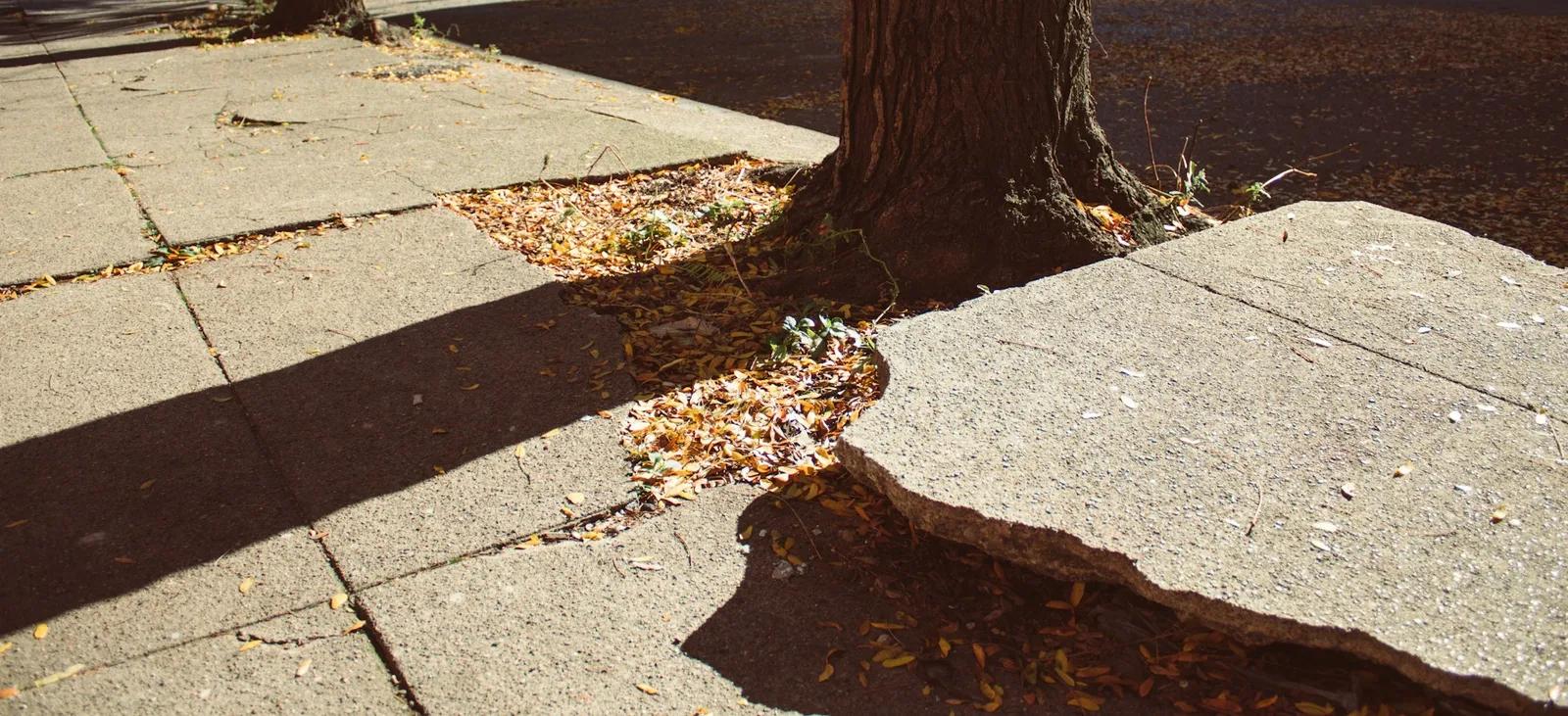
The city's Bureau of Street Services says the owner of the property is responsible for the sidewalk in front of it. It also says the city has suspended enforcement of that duty in some circumstances. Its page does not separately say who pays when a street tree caused the damage, so if a tree is involved, get the answer for your lot from the city in writing.
So the useful question for a buyer goes one step further: what would make this your bill, and when? I look at three things: what the sidewalk looks like today, what you plan to do with the house, and what the city's records show. All three can be checked before you write an offer.
What the city says you own
The city's Bureau of Street Services spells this out on its own site. It points to Los Angeles Municipal Code Section 62.104(b) and California Streets and Highways Code Section 5610, and says property owners are responsible for maintaining the sidewalks fronting their lot so they do not endanger people or property or violate the Americans with Disabilities Act.
The same page says the city has suspended enforcement of that code section in some circumstances, and that the owner remains responsible for the overall condition of the sidewalk along the property. Read those two statements together.
First, confirm the home is in the city at all. A mailing address can't settle that, which I explain in why a Del Rey home can have a Marina del Rey mailing address. Everything below is about homes inside city limits.
The building permit catch
This is the part buyers usually hear about too late. The city says that actions by the property owner, such as applying for certain building permits, may activate enforcement of the owner's duty to repair the sidewalk.
Think about what that means if you are buying in Del Rey with a plan. If your plans call for a permit, the sidewalk may become part of the project. The city's rebate program also says sidewalk work required by a building permit is not eligible for the rebate. So the same permit that can trigger the repair can also take the rebate off the table.
If you plan to build, ask about the sidewalk when you price the project. Your architect or contractor can ask the city what your specific permit will require. If you are buying a home to live in as it is, this may not come up for years. It's worth knowing either way.
When a street tree did the damage
This is the question I can't close for you from the city's website. Its sidewalk page does not separately say who pays when a street tree caused the damage, so ask the city in writing about your lot before you count on any answer.
The current city code (Section 62.104, last amended December 2020) has no separate rule for street trees. In most cases, it says the city can't order an owner to repair a damaged sidewalk until the city has issued a Certificate of Sidewalk Compliance for it.
Street trees belong to a different part of the city. The Urban Forestry Division oversees more than 660,000 street trees and trims them in large grids, whole sections of a community at a time. It does not take on-demand requests to trim a single tree. If a tree is an emergency, you report it through 311.
You also do not get to decide what happens to the tree. Sidewalk repairs may need a separate permit from the division for tree-related work. Under the rebate program, a City Arborist decides what the tree needs, which can mean enlarging the planting area, pruning the roots, or taking the tree out.
If the tree has to go under the rebate program, the city's rebate FAQ calls for two replacement trees for every one removed. One goes at the removal location, if there is room, at the property owner's cost. The city coordinates the second. Trees on private property are a separate matter, and they are not eligible for a rebate.
A tree on your own lot can have its own rules, and this article on protected trees covers that question.
What the rebate covers, and where it stands
The city runs a rebate program that shares the cost when an owner chooses to fix the sidewalk. When I checked the city's site in November 2026, it said the program was delayed by new funding restrictions and that all new applications go on a waitlist. So treat the rebate as possible help, not as money in your budget. Here is how the program works:
- The cap. The rebate FAQ lists up to $12,400 per lot for residential properties, effective August 25, 2023. Your actual offer comes from the work the city's representative says is needed, multiplied by the city's unit costs.
- The order of events. Apply through MyLA311 or by calling 311, then get a rebate offer. Work done without a permit tied to that offer does not qualify, so do not fix it first and apply later.
- The contractor. You hire and pay a contractor who holds one of the licenses the city lists. The city does not pay the contractor directly.
- The whole frontage. The entire sidewalk in front of the property has to be compliant when the rebate is issued. Fixing one bad panel is not enough.
- The warranty. The rebate FAQ says a 20-year warranty period for residential property starts when the city issues a Certificate of Compliance, with a limit of one warranty repair by the city. After that, maintenance responsibility moves to the property owner. Ask the city how this applies to your lot.
A few examples of what the city counts as out of compliance: an uplift greater than 1/4 inch, a sidewalk narrower than 4 feet, and a cross slope greater than 2 percent. A tape measure will tell you where a lift stands.
You can also send the city a report through Report a Sidewalk Problem. The city says there is no active program that responds directly to those reports, though they help it see where the need is. Its highest repair priority is the Access Request program, which is for people with mobility disabilities. The overall effort is a 30-year program, and the city says requests far exceed its resources, so repairs may not come right away.
How to find out before you buy
- Walk the frontage yourself. Look at the whole length of the lot, including the driveway crossing, and leave the panel by the front walk for last. Take photos and measure any lift.
- Ask the seller in writing. Has the owner received any city notice about the sidewalk? Has the sidewalk been repaired? Is there a Certificate of Compliance, and on what date? Ask for a copy, and ask the city how that repair history applies to you as a new owner.
- Check the city's repair map. The Access and Construction Database Viewer on the sidewalk program's reporting page shows completed, planned and scheduled projects.
- Pull the building records. The Los Angeles Department of Building and Safety's Permit and Inspection Report shows permits, inspections and code enforcement for the address. This walk-through of permit history shows how to read it.
- Check the tree. See whether it appears on the city's tree removal notification list.
- Get a contractor's number. If the lift is real and you plan to fix it, get a written bid during your contingency period, and include any tree work.
What to do with what you find
A broken sidewalk is rarely a reason to walk away from a house. It's a cost and a timing question, and you can handle it like any other item in a negotiation. If a repair is a real cost for you, raise it with the rest of your inspection requests. This guide to repair requests explains how those conversations usually go.
One question I can't answer for you is who is liable if someone trips. The city's own rebate page says many factors affect liability and declines to answer it. If that concerns you, ask an attorney and your home insurance agent, and do it before you close.
How I help
When I walk a home with a buyer, I look at the curb too. I read the records, I ask the seller's side the questions above, and I help you work the answers into your offer. No pressure, just real answers.
If you are looking at a home in Del Rey and something out front has you wondering, get in touch. I'm here when you're ready. Call or text me at 310.708.7717.
Common questions
- Is a Del Rey homeowner responsible for the sidewalk in front of the house?
- The Bureau of Street Services says so, citing Municipal Code Section 62.104(b) and Streets and Highways Code Section 5610. It also says the city has suspended enforcement in some circumstances, while the owner remains responsible for the overall condition of the sidewalk. Its page does not separately address street tree damage, so ask the city about your lot in writing.
- Can a building permit force me to fix the sidewalk?
- It can. The city says applying for certain building permits may activate enforcement of the owner's duty to repair. Sidewalk work required by a building permit is also not eligible for the rebate.
- How much is the Los Angeles sidewalk rebate?
- The rebate FAQ lists a cap of $12,400 per lot for residential properties, effective August 25, 2023. Your offer depends on the work required. When I checked the city's site in November 2026, new applications were going on a waitlist because of funding restrictions.
- Can I remove the street tree that lifted my sidewalk?
- That is not your call alone. Under the rebate program, a City Arborist decides whether the tree needs a larger planting area, root pruning or removal. If it is removed under that program, the rebate FAQ calls for two replacement trees, and one is at the owner's cost if there is room at that spot.
- What happens after a sidewalk repair passes city inspection?
- The city's rebate FAQ says a Certificate of Compliance starts a 20-year warranty period for residential property, with one warranty repair by the city. After that period, or after that one repair, maintenance responsibility moves to the property owner. Ask the city how this applies to your lot.