2026-10-06 · 7 min read · Del Rey
Selling a Del Rey Home Built Before 1978? What the Lead-Based Paint Disclosure Requires
The short answer
If your Del Rey home was built before 1978, federal law requires a specific lead-based paint disclosure when you sell it. You do not have to test the house, and you do not have to remove any paint. You do have to tell the buyer what you know, hand over any lead reports or records you have, give the buyer a federal information pamphlet, and offer the buyer a chance to have the home inspected for lead before they are locked in.
None of this stops a sale. It is a standard part of selling an older home, and it goes smoothly when it is handled at the start instead of discovered halfway through escrow. This guide covers what the rule requires, how to find out whether it applies to your home, and what to do before you list.
Why 1978 is the line
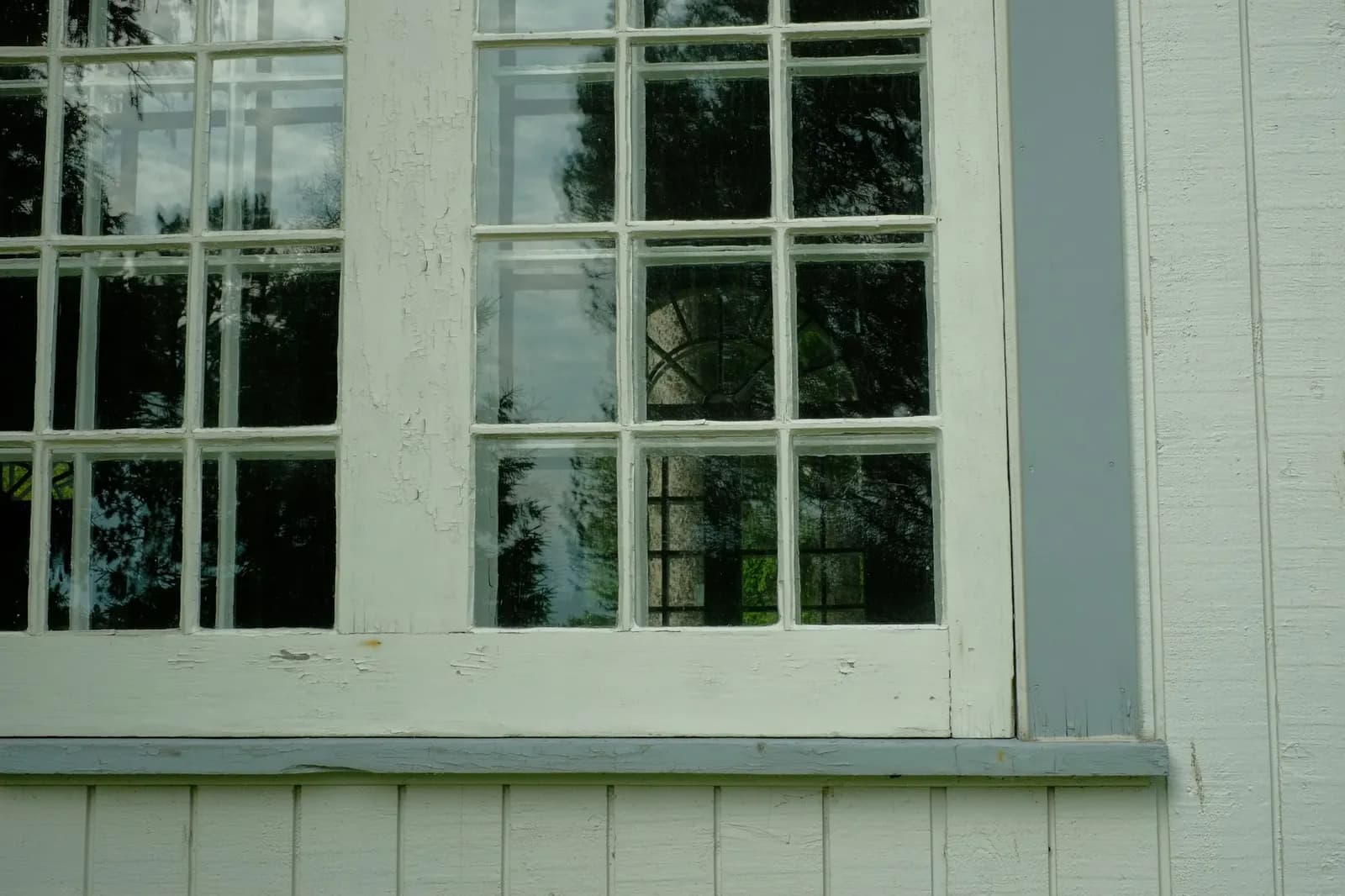
The federal government banned lead-based paint for residential use in 1978. Homes built before that year may have lead paint somewhere, often under newer coats. Paint that is intact and in good condition is generally a lower concern. The risk comes when it chips, peels, or turns to dust, which tends to happen on surfaces that rub or take a beating: window sashes and sills, door frames, stair railings, porches, and exterior trim.
The disclosure rule exists so a buyer can make an informed decision before buying a home that might contain lead. It applies whether the home is a single-family house, a duplex, or a condo, as long as it was built before 1978. There are a few narrow exceptions, such as housing certified lead-free by a certified inspector, but most older homes fall under the rule.
How to tell if the rule applies to your Del Rey home
Start with the year built. It appears on your property tax records with the Los Angeles County Assessor, and it is usually in the paperwork from when you bought the home. If the year is 1978 or later, the federal lead disclosure does not apply. If it is earlier, it does.
Watch for one common mix-up. A Del Rey home that was remodeled, added onto, or fully repainted after 1978 is still a pre-1978 home for this purpose. The rule follows the original construction date, not the date of the last paint job. Newer paint can sit on top of older layers that still contain lead.
While you are pulling records, it is a good time to gather the rest of the paperwork a Del Rey sale needs. Because Del Rey sits inside the City of Los Angeles, your sale also involves the city's own report on permits and records, covered in what a 9A report is and why your Del Rey sale needs one.
What you are required to do
The federal rule gives sellers of pre-1978 homes five jobs. Your agent has a duty to make sure each one happens, so this is a shared checklist, not something you carry alone.
- Disclose what you know. If you know of lead-based paint or lead hazards in the home, say so and say where. If you do not know of any, the form lets you say that.
- Hand over records and reports. Any lead inspection, risk assessment, or test result you have must go to the buyer. That includes a report from when you bought the home, a test done for a child's pediatrician, or one ordered for an earlier remodel.
- Give the buyer the federal pamphlet. It is titled Protect Your Family From Lead in Your Home, and it explains lead hazards in plain terms.
- Offer the buyer a chance to inspect. Buyers get a period, generally 10 days, to have the home tested or assessed for lead before they are bound. The buyer can choose a different period or waive it in writing.
- Sign the disclosure with the contract. The purchase agreement includes a lead warning statement and a disclosure form signed by you, the buyer, and the agents. Sellers and agents keep a copy for three years after the sale.
In a California sale, this is handled with a standard lead-based paint disclosure form that travels with the purchase agreement and the rest of your disclosures. This overview of California seller disclosures explains how the full package fits together.
What you are not required to do
This is where sellers often get worried for no reason. The federal rule does not require you to test your home for lead before you sell. It does not require you to remove or cover lead paint. It does not require you to fix anything the buyer's lead inspection finds.
If a buyer does have the home tested and something turns up, what happens next is a negotiation, the same as any other inspection finding. The buyer can ask for a repair, a credit, or a price change, or decide to move forward as is. You can agree, counter, or decline. This guide to negotiating repair requests walks through how those conversations usually go.
One caution. Not being required to test is different from being allowed to ignore what you already know. If you have a report, or you were told about lead in the home, that has to be disclosed. Leaving it out is the kind of mistake that comes back after closing.
Preparing a pre-1978 home before you list
Many sellers freshen up paint, sand a sticky window, or replace old trim before listing. In a pre-1978 home, how that work gets done matters.
- Hire a lead-safe certified contractor. Under the EPA's Renovation, Repair and Painting rule, contractors paid to disturb paint in a pre-1978 home generally must be certified and follow lead-safe work practices. Ask for the certification before work starts and keep a copy.
- Skip dry sanding and scraping on your own. These are the steps that turn intact paint into dust. If a surface needs work, let a certified contractor handle it.
- Keep the paperwork. Invoices, certifications, and any test results from the work are records a buyer will want to see, and some of them may need to be disclosed.
- Focus on condition, not cover-up. Painting over peeling areas to hide them does not change what you have to disclose, and a buyer's inspector will often see what is underneath.
A pre-listing inspection can also help you see the home the way a buyer's inspector will. A general home inspection does not test for lead, so ask about lead testing separately if you want an answer before you list. This guide to pre-listing inspections covers when one is worth the cost.
How buyers tend to read it
Most buyers looking at older Westside homes expect to see a lead-based paint disclosure. It is a standard form, and on its own it rarely changes how a buyer feels about a house. What buyers react to is surprise. A disclosure that arrives late, a report that surfaces after the inspection period, or a fresh paint job that looks like it was hiding something can turn an ordinary form into a trust problem.
Buyers with young children may be more likely to use the inspection period and order a lead test, and that is their right. Giving them the pamphlet, the form, and any records up front, with time to review, keeps the conversation calm. If you have lived in the home for a long time, this guide to selling a long-held home covers the other records worth gathering.
Here's what happens next
At First Key Pacific, I help Del Rey homeowners sell older homes with the disclosures handled correctly from the first day. I confirm the year built, gather any lead records you have, make sure the federal pamphlet and disclosure form are in the package before the listing goes live, and coordinate with certified contractors if work is needed before you list. You can learn more about the neighborhood on my Del Rey page.
If you own a Del Rey home built before 1978 and you are thinking about selling, let's talk through what your home needs. No pressure, just real answers. I'm here when you're ready. Call or text me at 310.708.7717.
Common questions
- Do I have to test my home for lead paint before I sell?
- No. Federal law does not require sellers to test for lead. You must disclose any lead paint or hazards you know about, share any reports you have, and give the buyer a chance to test the home themselves.
- Does the lead paint disclosure apply if my home was remodeled after 1978?
- Yes. The rule follows the year the home was originally built. A pre-1978 home that was repainted or remodeled later still needs the lead-based paint disclosure, because older paint can sit under newer coats.
- How long does a buyer have to do a lead inspection?
- Generally 10 days, unless the buyer and seller agree to a different period in writing. The buyer can also waive the lead inspection in writing.
- Do I have to fix lead paint a buyer's inspection finds?
- Not under the federal disclosure rule. Any repair, credit, or price change is a negotiation between you and the buyer, the same as other inspection findings.
- Where do I find the year my Del Rey home was built?
- It appears on your Los Angeles County Assessor property record and is usually in the documents from when you bought the home.