2026-06-11 · 3 min read · Playa del Rey
How to Negotiate Repair Requests After a Home Inspection in California
When the inspection report lands
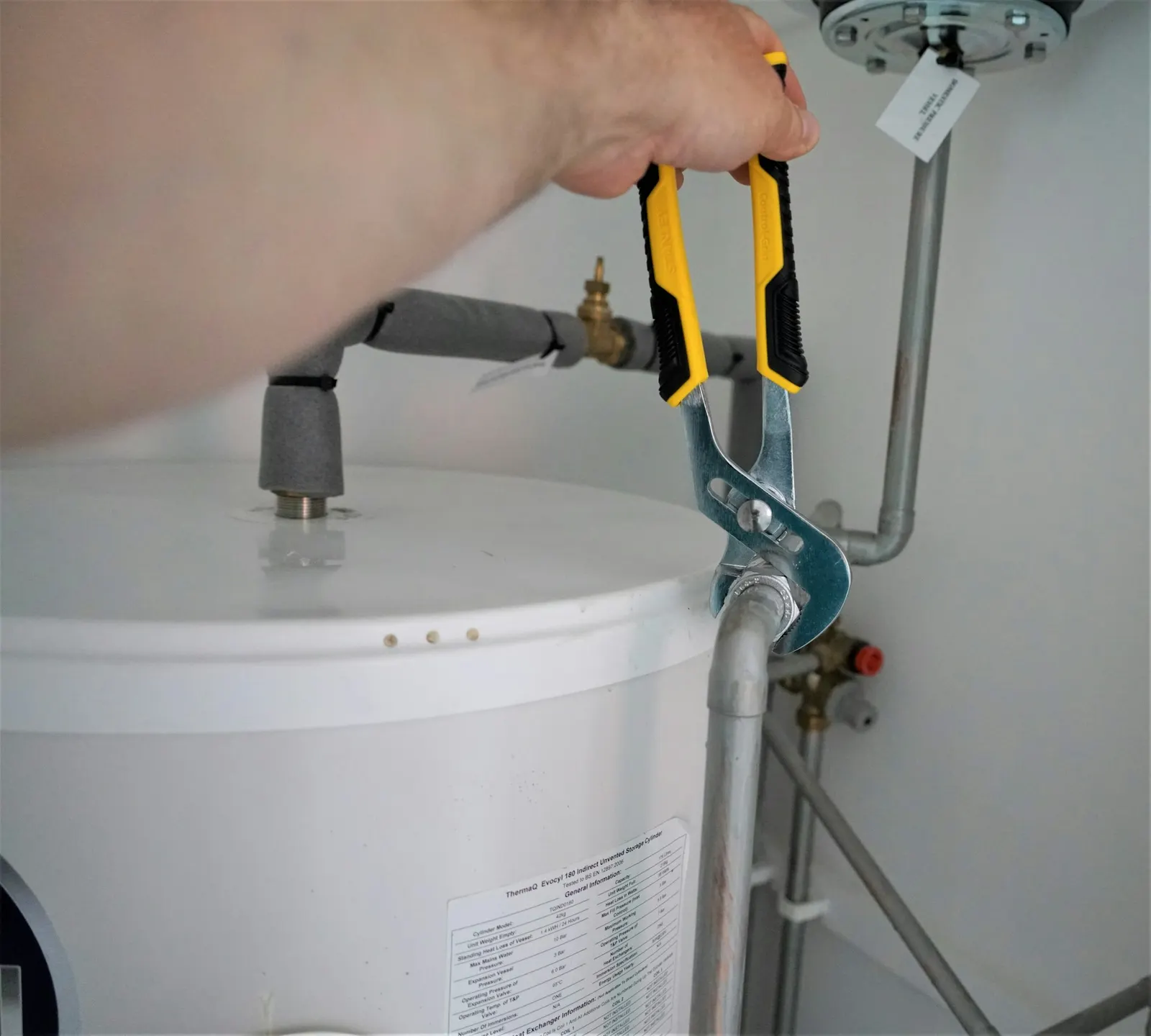
The inspection report lands, and it feels like the deal is falling apart. Most sellers feel that moment. Dozens of items, from the condition of the water heater to a cracked outlet cover, listed in a document that reads like a catalog of what is wrong with the home you have lived in for years. Then the buyer sends a Request for Repair, and you have to decide what to do.
Here is how I walk my sellers through it.
What the Request for Repair actually is
In California, the standard buyer repair request is a formal document. It lists specific items from the inspection report the buyer is asking you to address before closing. It comes with a deadline, usually a few days, and if you do not respond, the buyer can cancel under the inspection contingency and walk with their deposit. This is not a demand you must accept. It is an opening move in a negotiation.
You have three choices for each item
Fix it. You hire a licensed contractor, make the repair, and provide documentation. This makes sense for clear health and safety items that buyers will push on regardless of how the conversation goes.
Credit it. Instead of making the repair yourself, you give the buyer a closing cost credit or a price reduction, and they handle the work after close. Faster for complex jobs, and it gives the buyer control over who does the work. Not all loan types allow credits above a certain amount, so the lender needs to weigh in on that piece.
Counter or decline. If the item is minor, cosmetic, or already disclosed, you can push back. A buyer asking you to replace a roof that was disclosed as aged and priced into the deal is different from a buyer uncovering a structural issue neither of you knew about. You are allowed to say no, especially to items that would have been obvious in a walkthrough.
Which items to take seriously and which to push back on
Real health and safety items, active leaks, electrical hazards, a failed HVAC system, these deserve a response. Buyers and their lenders often require certain categories to be addressed before funding.
Cosmetic items and deferred maintenance that was visible and already priced in are different. A buyer who saw the worn deck during the showing and wrote an offer knowing the condition, then uses the inspection to ask for a new deck, is negotiating, not revealing a hidden problem. You can decline, split the difference, or do nothing and see if they proceed. Most buyers do not walk over minor items when they genuinely want the home.
How to respond without losing the buyer
The goal is not to fight every request. It is to close on terms that make sense for you. I help my sellers sort the list: safety items go to the top and get handled, cosmetic items get pushed back on or countered, and genuine unknowns, the problems that were not visible or disclosed in advance, get a harder conversation. For the full picture of what happens between an accepted offer and closing, read what happens after you accept an offer.
Your best protection is knowing the condition early
The seller who goes into an inspection knowing the condition of their home has an easier negotiation than the one who is hearing about problems for the first time alongside the buyer. Part of my pre-listing process is a walkthrough that surfaces likely inspection findings in advance, so nothing comes as a surprise and you have already thought through how you would handle each one. More on that in how I prepare a Westside home for the market.
Work with an agent who's here when you're ready
The inspection period is when sellers need their agent most. I handle the back-and-forth, explain the report in clear, simple terms, and help you respond in a way that protects your net without losing a buyer who wants the home. I stay in touch.
If you are selling a long-held Westside home and want to talk through what to expect, book a consultation. No pressure, just real answers.
What happens next
If you are weighing a sale on the Westside, the useful first conversation is not about a listing price. It is about what your home needs, what it will cost, and what it is likely to return. First Key Pacific is my practice, and I walk the property before anyone spends a dollar. Tell me about your home and we will start there.
Common questions
- What is a Request for Repair in California?
- It is a standard California real estate form the buyer uses to list specific inspection items they want the seller to address before closing. It has a deadline, and the seller has the option to agree, counter, or decline each item.
- Do I have to fix everything on the inspection report?
- No. The inspection report goes to the buyer, not to you, and it is their document to use as they choose. You are only obligated to respond to a formal written Request for Repair, and even then you can counter or decline individual items.
- What happens if I decline the buyer's repair requests?
- The buyer can accept your response and proceed, counter with a modified request, or cancel the contract under the inspection contingency within the allowed window. Declining minor or cosmetic items rarely kills a deal when the buyer wants the home.
- Is a closing cost credit the same as fixing the problem?
- No. A credit gives the buyer money at closing to handle the repair themselves after they take ownership. It is faster than coordinating repairs during escrow, and it lets the buyer choose their own contractor. Some loan types limit how large a credit can be, so check with the lender first.
- Should I do my own inspection before listing?
- That is your choice, and some sellers do order one so they know what a buyer's inspector is likely to find. My approach is different: before listing, we walk the home together and decide what is worth addressing, so nothing surprises a buyer.