2026-09-30 · 7 min read · Del Rey
Does Your Del Rey Home Share a Driveway? What an Easement Means When You Sell
The short answer
A shared driveway almost never stops a sale. What slows one down is a shared driveway nobody can explain. If you can show a buyer who owns the concrete, who has the right to use it, and who pays when it needs work, the driveway becomes a line item in the disclosures. If you cannot, it becomes a question that surfaces in the middle of escrow, when every question costs more.
The work is mostly paperwork, and most of it can be done before your home goes on the market. That is the whole point of this article.
Why this comes up on older Del Rey lots
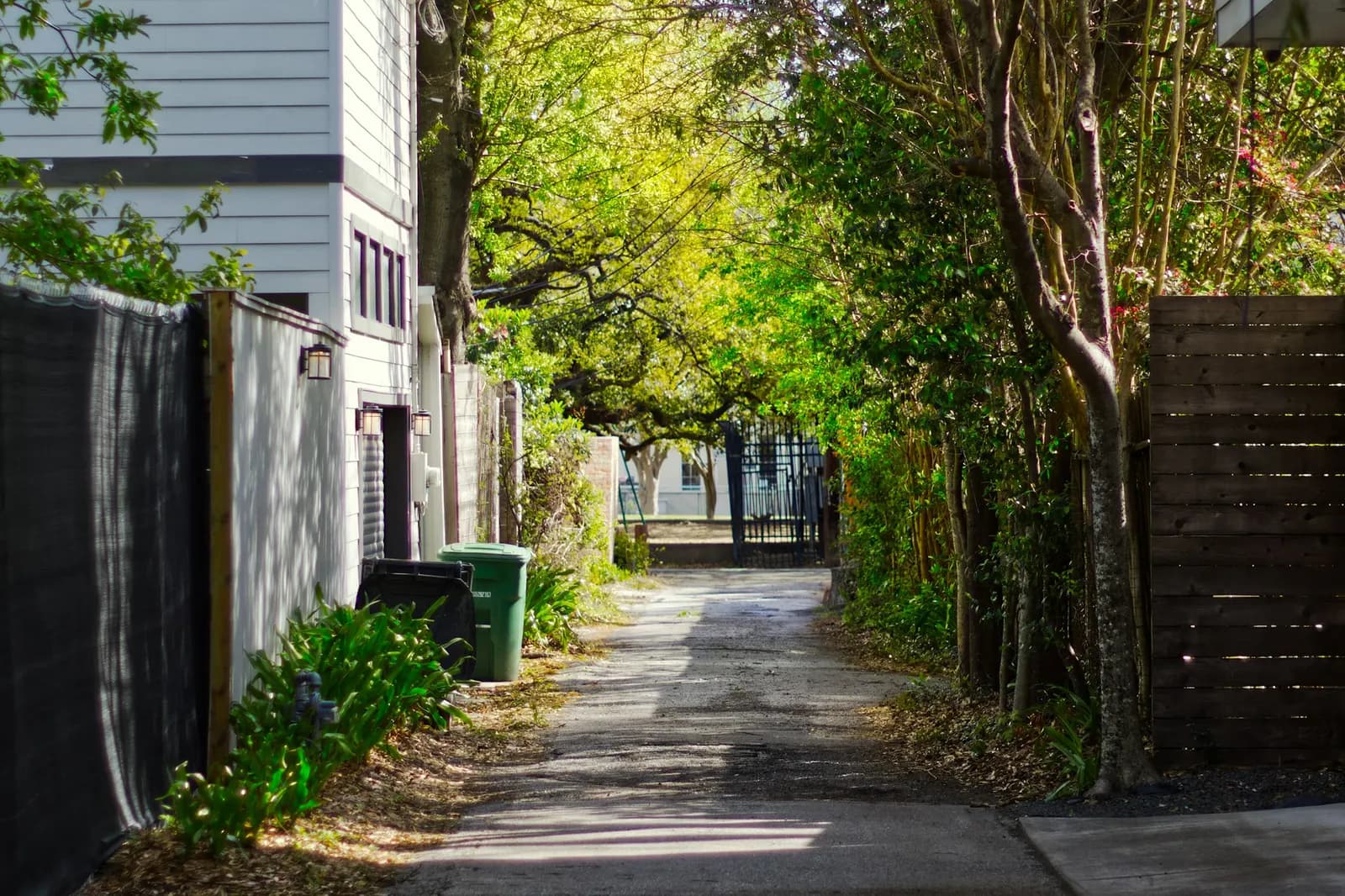
A lot of Del Rey was built on narrow lots, and the space between houses was drawn tight. On some streets two homes reach their garages through a single strip of concrete that runs along or across the property line. On others, a rear house or a back unit reaches the street through the front lot. Sometimes the arrangement was written down when the homes were built. Sometimes it was a handshake between two owners who have both since moved on.
Long ownership adds a layer. When a family has lived in a Del Rey home for decades, the driveway habits are older than anyone's memory of how they started. The neighbor parks on the left, you park on the right, and nobody has thought about the legal side since the house was bought. The buyer's side will think about it, because the buyer's lender and title company are paid to.
What an easement actually is
An easement is a right to use someone else's land for a specific purpose. It is not ownership. The land under a driveway easement still belongs to whoever holds title to that strip. The easement gives another property the right to cross it, usually to reach a garage, a parking space, or the street.
A few terms come up in these conversations, and they are worth knowing before you sit down with a buyer.
- Recorded easement. Written down and filed with the County Recorder. It shows up in the chain of title and it generally stays with the land when either house sells.
- Reciprocal easement. Each owner grants the other a right over their half. Common when a driveway straddles the property line.
- Maintenance agreement. A separate written agreement, or a clause inside the easement, saying who repairs the driveway, how costs are split, and what happens when the owners disagree.
- Unrecorded use. Nothing on paper, just years of use. California law can recognize a right that grows out of long, open use, but whether one exists is a legal question for a real estate attorney, not something to guess at on a disclosure form.
Closer to the airport, some Westside homes carry a different kind of recorded right, one granted over the air above a home rather than the ground beside it. That is its own subject, covered in what an avigation easement means when you sell.
How to find out what you have
Three places, in this order.
- Your own closing file. When you bought the home, escrow gave you a preliminary title report and later a title policy. Recorded easements are listed there as exceptions, usually with a document number. Many sellers already hold the answer in a folder they have not opened since closing.
- A fresh preliminary title report. When you list, I order one early through the title company. It lists every recorded easement, agreement, and restriction on the parcel as of that date. If the driveway arrangement was recorded, it will be there, and the title officer can pull a copy of the actual document.
- A survey, when the lines matter. The title report tells you what was recorded. It does not tell you where the concrete sits relative to the property line. If the driveway, a fence, or a carport looks like it might cross the line, a licensed land surveyor is the person who can answer that.
Title insurance has a limit worth knowing here. A standard owner's policy generally does not cover matters that only a survey would reveal. I explained what the policy does and does not protect in this guide to title insurance on a California sale.
What a buyer and their lender will ask
A buyer looking at a home with a shared driveway usually wants the same four answers.
- Can I always get in and out, even if the neighbor sells?
- Can the neighbor park here, or only drive through?
- Who pays when the concrete cracks or the drain backs up?
- Is there anything on paper, or is it all trust?
Some lenders also look closely at access. When a home reaches the street only across someone else's land, a lender may want to see that the right of access is recorded before it will fund the loan. Requirements vary by lender and loan type, so the time to learn what a buyer's lender needs is early, not the week before closing.
None of these questions are hostile. A buyer is about to take on your house, and your driveway arrangement comes with it. A clear answer reads as a well-kept home. A vague one reads as a problem the buyer will be left to solve.
What goes on your disclosures
California's Transfer Disclosure Statement asks sellers directly about features shared with neighbors, such as walls, fences, and driveways, and about any easements or encroachments that may affect the property. If your driveway is shared, the answer is yes, and it needs a short, accurate explanation.
Write what you know and nothing you do not. "Driveway shared with the neighboring property. Recorded easement listed on the preliminary title report. Owners have split repair costs informally." That kind of sentence protects you. A guess about where the line runs, or a promise about what the neighbor will allow, does not. If there is a past dispute, a repair you paid for together, or a parking arrangement that changed over the years, that belongs on the form too. The guide to California seller disclosures walks through the full package.
Del Rey homes sit inside the City of Los Angeles, which means your sale also involves the city's own report on permits and records. That is a separate document from the driveway question, covered in what a 9A report is and why your Del Rey sale needs one.
When there is nothing in writing
This is common, and it is fixable. If you and your neighbor get along, the cleanest move is often a written agreement before you list. A real estate attorney drafts it, both owners sign, and it gets recorded. It usually covers the right of access, parking, how repairs are shared, and what happens when either home sells.
That does take cooperation and some lead time, and it is not always possible. If the neighbor is unreachable or unwilling, the answer is still disclosure. You describe the arrangement honestly, the buyer's side does its own review, and the price and terms reflect what the buyer is taking on. Plenty of homes close that way.
What does not work is waiting. A driveway question that surfaces in week three of escrow puts the buyer, the lender, the title officer, and your neighbor on the same short clock, and you have the least control of anyone.
Getting ahead of it
If your Del Rey home shares a driveway, here is the short list before you list:
- Find the preliminary title report and title policy from your purchase.
- Note any recorded easement or agreement and keep a copy with your disclosures.
- Write down how the driveway has actually been used and maintained, with dates if you have them.
- If nothing is recorded, decide whether to approach your neighbor about a written agreement, and talk to a real estate attorney before you do.
- If a fence, carport, or slab might cross the line, consider a survey.
This is part of the prep I handle on every listing. I order the title report early, read the exceptions with you, bring in the attorney or surveyor when the facts call for one, and make sure the disclosure says exactly what is true. If you are thinking about selling in Del Rey and the driveway has always been a little bit of a mystery, get in touch. No pressure, just real answers.
Common questions
- Can I sell a house with a shared driveway in Del Rey?
- Yes. Shared driveways are common on older, narrower Los Angeles lots, and homes with them sell regularly. What matters is being able to show the buyer who owns the driveway, who has the right to use it, and how repairs are handled, and disclosing the arrangement accurately.
- How do I know if my driveway has a recorded easement?
- Check the preliminary title report and title policy from when you bought the home. Recorded easements are listed there as exceptions. A new preliminary title report ordered at listing will show every recorded easement and agreement on the parcel, and the title company can pull the underlying document.
- Do I have to disclose a shared driveway when I sell?
- Yes. The California Transfer Disclosure Statement asks about features shared with adjoining owners, including driveways, and about easements affecting the property. Describe what you know accurately, including how the driveway has been used and maintained, and do not guess about property lines.
- What if there is no written agreement with my neighbor?
- Many shared driveways have nothing recorded. If your neighbor is willing, a real estate attorney can draft a written access and maintenance agreement for both owners to sign and record before you list. If that is not possible, disclose the arrangement honestly and let the buyer's side complete its own review.
- Does title insurance cover problems with a shared driveway?
- It depends on the problem and the policy. A standard owner's policy covers many recorded matters but generally excludes issues that only a survey would reveal, such as a driveway or fence that crosses the property line. Ask the title officer what the specific policy covers.