2026-11-01 · 7 min read · Del Rey
I Own a Small Del Rey Bungalow. Should I Remodel It or Sell to a Builder?
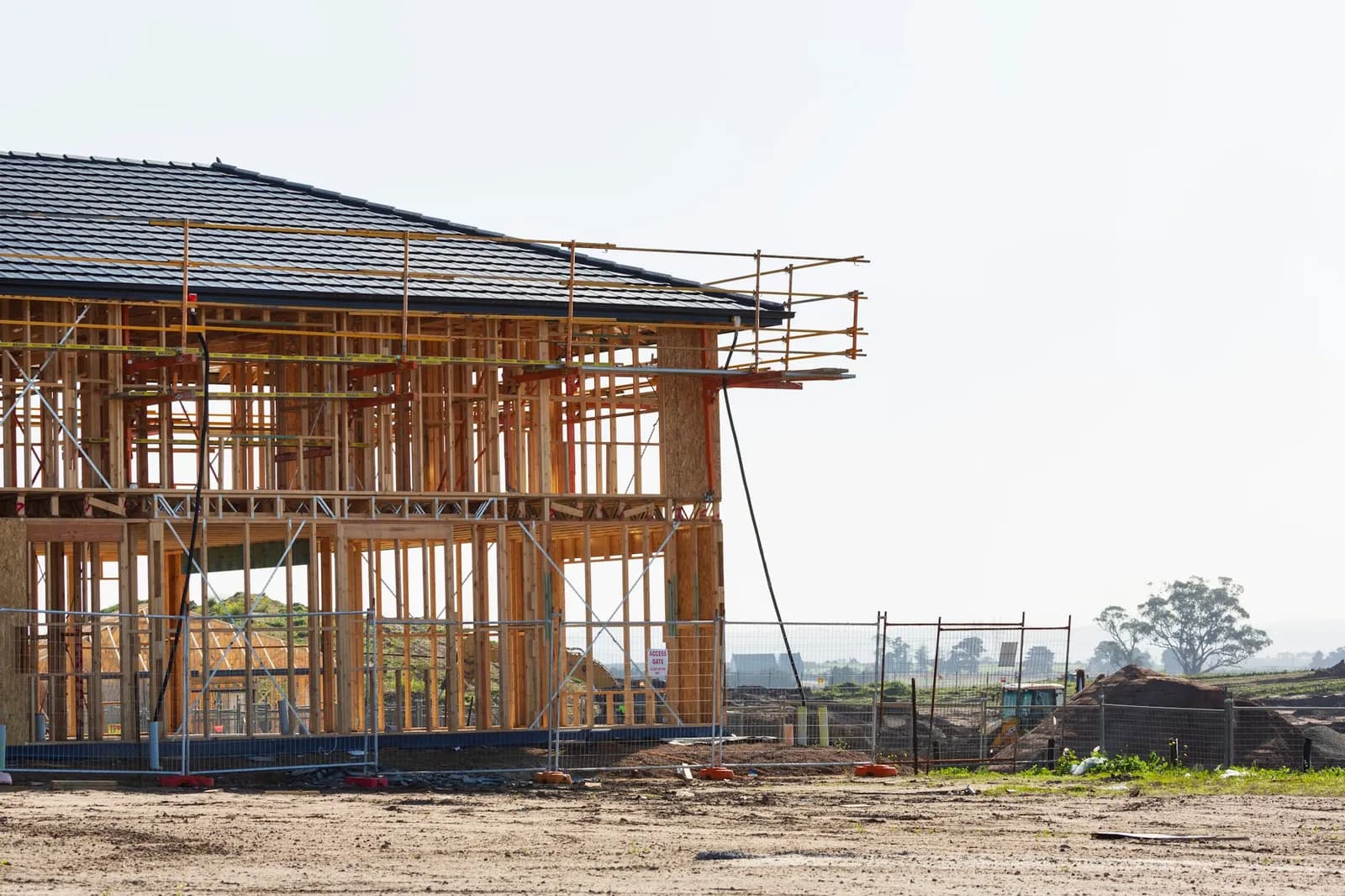
The short answer
If you own a small Del Rey bungalow, there is no single right answer between remodeling it and selling it to someone who will tear it down and rebuild. The better choice depends on three things: how long you plan to stay, how much time, money and patience you have for a construction project, and what the land under your house is worth on its own. If you plan to stay for years and the house still works for your life, remodeling can make sense. If you are ready to move on, selling to the open market, where builders and people who want to live in the house compete for it, is often the cleaner path.
The mistake I see most is treating this as a choice between only two buyers. You do not have to decide in advance who buys your home. You can prepare it, price it on its own merits, and let the offers show you what the market values most. For a broader look at the neighborhood itself, the Del Rey neighborhood guide covers the streets and the housing stock.
What a builder is really buying
When a builder looks at a small, older bungalow, they are mostly looking past the house. They are buying the lot and what the rules allow them to build on it. That changes how they think about your home compared with a family who wants to move in.
A builder will ask questions like these:
- How big is the lot, and what is its shape?
- What is the zoning, and how large a home can go on it?
- Is there alley access, a slope, or a large tree that limits the design?
- Could a second unit fit on the property?
None of those questions are about your kitchen. That is also why money spent on cosmetic updates before a sale rarely comes back from a builder. They plan to remove the house.
You can look up your own zoning before you talk to anyone. The City of Los Angeles has an online map called ZIMAS that shows the zoning for a parcel. State law has also changed what some single-family lots can hold. The article on lot splits and second homes and the guide to ADU rules and home value walk through what that can mean for a lot like yours.
What remodeling really involves
Remodeling is the right call for a lot of owners. It lets you stay in a neighborhood you already know, keep the parts of the house you love, and shape it around how you live now. But it is a real project, and it helps to see the whole picture before you start.
In the City of Los Angeles, building permits come from the Department of Building and Safety. Older homes can also surprise you once the walls are open. Wiring, plumbing and the foundation are the usual places where a modest project grows.
Property taxes are part of the math too. Under Proposition 13, California assessors reassess new construction, and generally only the value the new work adds is reassessed, not the whole property. Normal repair and maintenance does not trigger a reassessment. A remodel that adds square footage or rebuilds the house can raise your tax bill, while a new roof generally will not. The Los Angeles County Assessor can tell you how a specific project is likely to be treated.
Construction is part of my family's business background, so when I walk an older home with an owner, I look at it the way a contractor would. That helps us separate the projects that add value from the ones that only add cost.
What selling involves, and why the open market matters
If you decide to sell, you have a choice about how. Some owners take a direct offer from a builder who knocked on the door or mailed a letter. That can feel simple. The risk is that you only hear one number, from one buyer, who has every reason to keep it low.
Listing the home on the open market changes that. Builders can still make offers, and so can buyers who want to live in a Del Rey bungalow as it is or update it themselves. When both groups are looking at the same home, you get to see what each one will pay instead of guessing. Sometimes the best offer comes from a builder. Sometimes it comes from someone who has wanted a small house on a quiet street for years.
You also do not need to fix much to sell an older bungalow. Many sellers in this situation sell the home in its current condition and let buyers price in the work. The guide to selling as-is or making repairs and the explainer on what as-is means in California cover the disclosure rules that still apply. If you are weighing smaller updates instead, the piece on how home improvements affect your sale price covers that choice.
Taxes on the sale
If the bungalow has been your main home, federal tax law may let you exclude a large part of your gain when you sell. The IRS allows you to exclude up to $250,000 of gain, or up to $500,000 if you are married and file jointly, when you have owned the home and lived in it as your main home for at least two of the five years before the sale. There are more details and exceptions, and your situation may differ, so talk with your CPA before you choose a path. A remodel and a sale can lead to very different tax pictures over time.
Questions to answer before you decide
These are the questions I walk through with owners who are weighing this choice:
- How long will you stay? A remodel pays you back mostly in how you live. If you plan to move in a few years, a large project is harder to justify.
- Can you live through it? Some remodels mean moving out for months. Ask yourself whether you have the time, a place to go, and the patience for delays.
- What is the lot worth on its own? If builders value the land highly, a costly remodel may add less to your sale price than you would expect.
- What does the house mean to you? Some owners want the bungalow to stay. That is a fair reason to remodel or to look for a buyer who will keep it.
- What do you need from the sale? If you are moving up, downsizing or settling an estate, the timing and the net amount may matter more than squeezing out every dollar.
A third path: prepare lightly and let the market decide
For many owners, the best answer is in the middle. Clean the home, handle any safety items, gather your permit history, and get a clear read on the lot and its zoning. Then put the home in front of every type of buyer at once. You have not spent money on a remodel a builder would tear out, and you have not limited yourself to one builder's offer.
If you are a buyer looking at the same kind of house, the guide to buying a fixer-upper on the Westside covers the other side of this decision.
I handle everything from the first walk-through to the close, including the vendors, the paperwork and the questions you will want answered along the way. If you would like to talk through your bungalow and your options, no pressure, just real answers, send me a note here. I'm here when you're ready.
Common questions
- Will a builder pay more for my Del Rey bungalow than a regular buyer?
- Sometimes, but not always. A builder values the lot and what can be built on it, while a buyer who wants to live there values the house itself. Listing on the open market lets both groups make offers so you can compare them.
- Should I update my bungalow before selling it to a builder?
- Usually not. A builder who plans to remove the house will not pay much for new finishes. Basic cleaning, safety items and organized permit records are a better use of money and time.
- Does remodeling raise my property taxes in California?
- It can. Under Proposition 13, new construction is reassessed, and generally only the value the work adds is reassessed, not the whole property. Normal repair and maintenance does not trigger a reassessment. The Los Angeles County Assessor can explain how a specific project is likely to be treated.
- How do I find out what can be built on my lot?
- Start with ZIMAS, the City of Los Angeles online zoning map, to see your parcel's zoning. For a detailed answer about a specific design, a builder, architect or the Department of Building and Safety can help.
- Do I pay tax on the gain when I sell my home?
- If it has been your main home, the IRS may let you exclude up to $250,000 of gain, or $500,000 for married couples filing jointly, when you owned and lived in it for at least two of the five years before the sale. Check your situation with your CPA.