2026-06-24 · 4 min read · Playa del Rey
ADU Rules and Home Value in Westside Los Angeles: What Sellers Need to Know
What an ADU is and why buyers notice
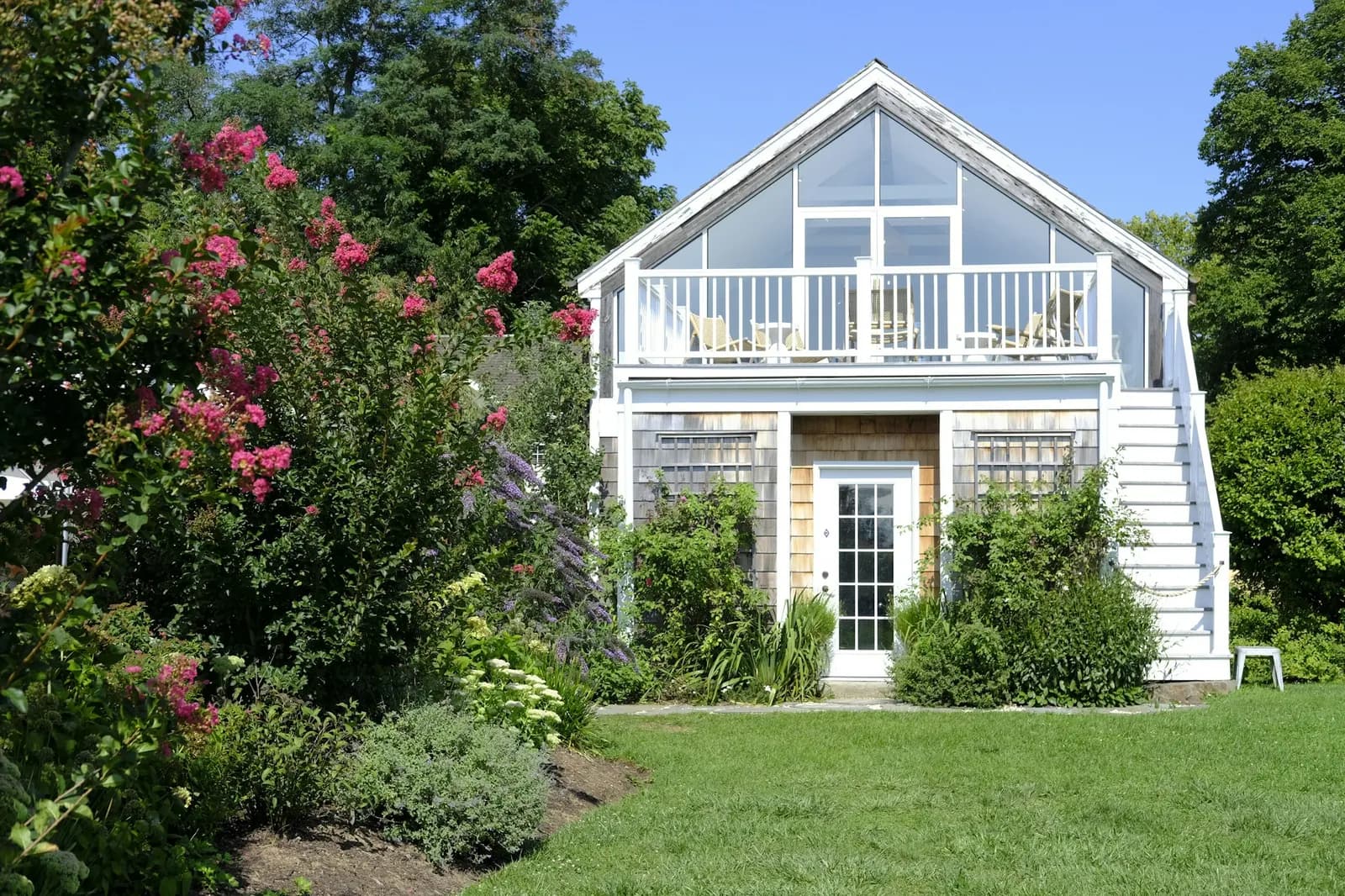
An ADU changed the conversation. That is what I hear from sellers who have one. Buyers who might have passed on a four-bedroom house start running the numbers on rental income. Some buyers ask about the unit before they even request a showing. The acronym stands for Accessory Dwelling Unit: a separate living space on the same property as the main home. It could be a garage conversion, a detached backyard cottage, a basement unit, or an attached addition with its own entrance. California opened the door wide to these starting in 2020, and the Westside real estate market has felt the shift.
What California law actually changed
Before 2020, most California cities could block or heavily restrict ADUs through local zoning. Then the state stepped in. A series of new laws took effect that required cities and counties to approve ADUs by right in most residential zones, reduced minimum setbacks, eliminated parking requirements in many cases, and cut the approval timeline to 60 days or less from a complete application. Los Angeles had to update its local rules to match. The result: if you own a single-family home on the Westside, you almost certainly can build an ADU, a Junior ADU (JADU, limited to 500 square feet carved from the existing structure), or in some cases both. The specifics depend on your lot size, zoning designation, and existing structures, so confirm with the City of Los Angeles before pulling permits.
How an ADU affects what a buyer will pay
An ADU with a tenant in place, or a clear path to renting one, changes how a buyer underwrites the purchase. Some buyers can count projected rental income to qualify for a larger loan. Buyers focused on investment returns will price an ADU-equipped property differently than they would price the same square footage without rental income potential. For owner-occupants, the question is often simpler: do I rent the ADU to offset the mortgage, or does a family member move in? On the Westside, where rents have stayed high across most neighborhoods, an ADU with a current lease gives a buyer a real income number to work with on day one.
An unpermitted ADU is a different calculation. If the unit was built without permits and does not match what the city has on record, a buyer's lender may refuse to count it in the square footage, refuse to count rental income from it, or require the seller to legalize or demolish it as a condition of closing. This is not hypothetical: it comes up in real transactions. The full picture on unpermitted work is in how unpermitted work affects your Westside LA home sale.
Disclosing an ADU when you sell
California requires sellers to disclose material facts that affect the property. An ADU, whether permitted or not, is a material fact. So is its permit status. If the unit has been occupied and rent has been collected, that is relevant to the buyer. If it was built without permits, that goes in the disclosure. Buyers will order permit searches and inspectors will find structures that do not match city records. Getting ahead of it protects you and removes surprise from the transaction. The broader disclosure obligations in California are covered in California seller disclosures for Westside Los Angeles.
What buyers ask about ADUs
The questions I hear most from buyers on homes with an ADU:
- Is the unit permitted, and what exactly was permitted?
- What is the current rent, and what is the lease term?
- Does the lease survive the sale?
- What are the utility arrangements, shared meter or separate?
- Has the unit had any code violations, and are they resolved?
- What is the condition of the unit's systems, including HVAC, plumbing, and electrical?
If you can answer all of these with documentation, your home is easier to sell. If you cannot, expect these to surface as contingency items or negotiation points after inspection.
Legalizing an existing unpermitted unit
California has passed additional laws that make it easier to legalize some existing unpermitted ADUs, especially units built before 2020. Confirm the current rules and the City of Los Angeles process with the city or a permit expediter before you decide. Whether it makes financial sense to pursue legalization before selling depends on the condition of the unit, the cost of the required work, and how the legalized unit would affect your list price. I walk sellers through that analysis as part of the pre-listing process. The right answer is different for every property.
Work with an agent who's here when you're ready
An ADU adds value and adds complexity in equal measure. The sellers who come out ahead are the ones who get clear on the permit status, the disclosure requirements, and how buyers will read the unit before they go to market. I handle that analysis as part of the Concierge Standard on every file. For the full picture of what selling looks like on the Westside, start here: how to sell your home in Westside Los Angeles. If you want to talk through what your ADU means for your sale, book a consultation and we will walk it together. No pressure, just real answers.
What happens next
A number you can defend beats a number that flatters you. If you want to know what your Playa del Rey home would realistically bring today, and why, ask me for a valuation. First Key Pacific does this in person, not from a spreadsheet.
Common questions
- Does an ADU always add value to a Westside LA home?
- A permitted ADU with rental income potential typically adds value, because buyers can factor that income into their purchase. An unpermitted ADU is more complicated: it may not count toward square footage, rental income from it may not qualify for financing, and buyers or lenders may require legalization or removal as a condition of closing.
- Do I have to disclose an unpermitted ADU in California?
- Yes. California requires sellers to disclose material facts, and an unpermitted ADU is a material fact. Buyers will run permit searches and inspectors will find structures that do not match city records. Disclosing upfront is always the right call.
- Can a buyer use rental income from an ADU to qualify for a loan?
- Sometimes. Whether a buyer's lender will count projected or actual rental income from an ADU depends on the loan type, the permit status of the unit, and the lender's underwriting guidelines. A permitted unit with an existing lease is the strongest case for income to count.
- What is the difference between an ADU and a JADU?
- An ADU is a separate, self-contained unit on the property, either detached or attached to the main home with its own entrance. A JADU, or Junior ADU, is carved from within the existing structure and is limited to 500 square feet under California law. Both require permits.
- What happens if I sell a home with a tenant in the ADU?
- California tenant protections apply. If the tenant has a lease, the lease typically survives the sale and the buyer takes the property with the tenant in place. If the tenancy is month-to-month, local ordinances may apply, including rent stabilization protections depending on the city. This is worth clarifying with me and an attorney before you list.