2026-06-23 · 4 min read · Playa del Rey
Buying a Fixer-Upper in Westside Los Angeles: What to Know Before You Make an Offer
The part buyers find out late
A fixer on the Westside is appealing for a straightforward reason: it is priced below what comparable renovated homes sell for, and if the renovation goes right, you end up with a better home for less than it would have cost to buy it finished. That is the theory. The practice is more complicated. Here is what I walk buyers through before we write an offer on a home that needs work.
Not all fixers are the same category of problem
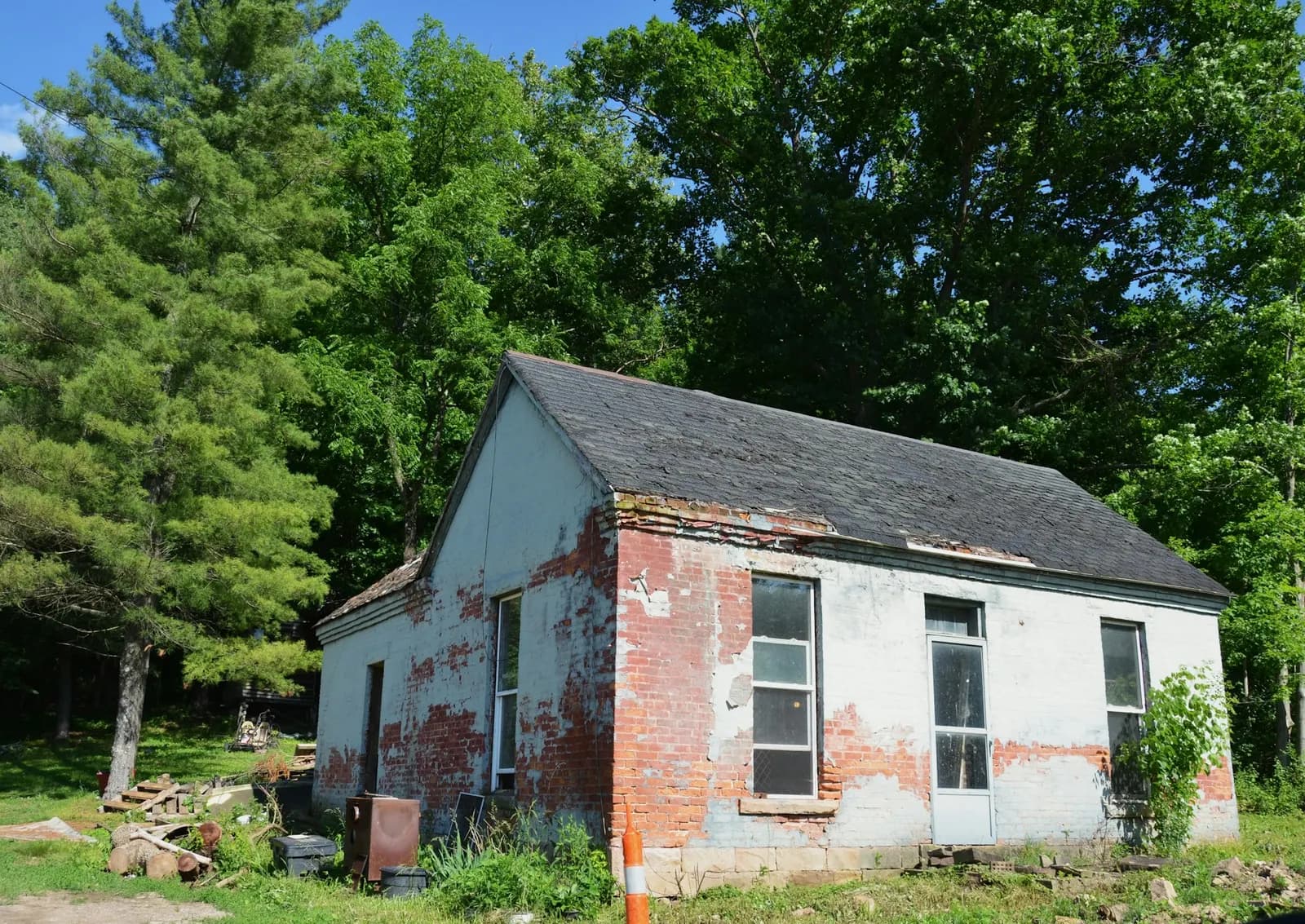
Some homes need cosmetic work: paint, flooring, kitchen and bath updates. Those are the cleanest fixer situations. Then there are homes with structural issues, deferred maintenance on major systems, foundation questions, older electrical, galvanized plumbing, or unpermitted additions. The latter category is not automatically a deal-breaker, but it changes the math in a significant way. The first question when you walk a home that needs work is which category you are in. That determines whether the price represents a real opportunity or a number that looks attractive because it underestimates what comes next.
Decades around a contracting business before real estate are the useful part here. When I walk a home with a buyer, I am reading the condition carefully: flagging the things that need attention, noting the things that might be hiding something, and separating the cosmetic from the structural. That read informs the offer, the inspection scope, and any price negotiation.
Get a contractor's rough number before you write the offer
The inspection period is for discovery, not for pre-offer pricing. If you are buying a home that needs significant work, you want a rough renovation cost before you make an offer, not after you are already under contract. That means doing a walkthrough with a general contractor, or someone renovation-literate, before you write, to get a realistic sense of what the scope actually costs. Inspection reports tell you what is there. Renovation estimates tell you what it costs to fix it. You need both numbers to know whether the asking price makes sense.
Permits matter more on the Westside than most buyers expect
Los Angeles has a long history of unpermitted additions, converted garages, and work done without pulling the right paperwork. When that work was done on a home you are buying, it becomes your concern. Unpermitted square footage may not count in an appraisal, which affects your loan amount. Work that was done incorrectly and without permits may need to be redone or legalized at your expense after closing. Before you close on a home with additions or renovations, the permit history is worth pulling and reviewing carefully. The specific guidance on what unpermitted work means in a sale transaction is in unpermitted work and selling a home on the Westside, which covers the issue from the seller's side but gives you the full context you need as a buyer evaluating the exposure.
Renovation loans and when they make sense
If you are planning a significant renovation immediately after purchase, a renovation loan can bundle the purchase financing and the construction cost into a single loan. FHA 203(k) and Fannie Mae HomeStyle are the most common options. These loans have specific requirements around contractor qualifications, project timelines, and draw schedules. They work, but they add real complexity to the transaction, including a longer close timeline. A lender who has closed renovation loans before is the right person to evaluate whether this fits your situation. Make sure your pre-approval actually covers the scenario you are buying into, not just a standard purchase.
The negotiating dynamics on a fixer
Fixer-priced homes on the Westside attract a different buyer pool than turnkey homes. Often you are competing against investors who know the renovation math and move quickly with cash, owner-occupant buyers who have been priced out of finished homes and are trying to make the numbers work, and buyers who want to put their own stamp on a home they could not otherwise afford in that area. Understanding who else is likely competing shapes the offer strategy. In some cases a fixer with significant work draws fewer competing offers, which gives you more room on price and terms. In others, a cash investor with a fast close is hard to beat on price alone. Strategy matters here as much as anywhere. The broader approach to competitive offers on the Westside is in how to win a competitive offer in Westside Los Angeles.
The honest math before you commit
Before you buy a fixer, build the full picture: purchase price, realistic renovation cost (not the optimistic version), carrying costs if you cannot live in the home during the work, and the finished value based on real comparable sales. If the all-in number does not leave you with a reasonable margin over what the finished home is worth, the fixer is not actually a deal. It is just a different way to pay more. The complete guide to the buying process is in how to buy a home in Westside Los Angeles. If you are also figuring out your real budget before you start, here is how much house you can actually afford on the Westside.
Work with an agent who's here when you're ready
Buying a fixer rewards a careful read of the property before you are committed. I walk the home with you, tell you what I see, and give you a real picture before you write an offer. I handle everything, and I give you real answers with no pressure. Your next chapter starts here.
If you want to talk through a specific property or the fixer strategy in general, book a consultation and we will map out what the numbers actually look like. No pressure, just real answers.
Working with me
Knowing which house is a good idea and which is not is the whole job. That is what I do for buyers in Playa del Rey at First Key Pacific. When you are ready to start, send me a note.
Common questions
- Are fixer-uppers cheaper than finished homes on the Westside?
- The purchase price is lower, but the all-in cost is not always. Once you add realistic renovation costs, carrying costs during construction, and any permit or compliance issues, the gap can close significantly. The question is whether the finished value justifies the total investment. Building that math before you write an offer is the most important step in evaluating a fixer.
- What is a renovation loan and should I use one?
- A renovation loan, such as FHA 203(k) or Fannie Mae HomeStyle, bundles the purchase price and the renovation cost into a single loan. They work but add complexity around contractor requirements, draw schedules, and timelines, and typically extend the closing period. A lender who has closed renovation loans before is the right person to tell you whether it fits your specific situation and renovation scope.
- How much does a Westside renovation typically cost?
- It depends heavily on the scope, the home's condition, and the specific contractors involved. Cosmetic work, meaning paint, flooring, and kitchen and bath updates, runs significantly less than structural or major systems work. Getting a rough contractor estimate before you write an offer is one of the most useful things you can do when evaluating a fixer.
- What happens if the home has unpermitted additions?
- Unpermitted work becomes your responsibility when you close. It may not count in an appraisal, could require retroactive permits or additional inspection, and might need to be redone if it was done incorrectly. I look for permit red flags on every fixer I walk with a buyer and give you a plain read on what the exposure looks like before you are under contract, while you still have choices.
- Do cash investors usually win fixer-upper homes on the Westside?
- Not always. Cash offers with a short close are competitive, but a well-structured financed offer with clean terms and a realistic timeline can still win, especially when the seller values certainty. The right strategy depends on who is likely competing on the specific property and what the seller actually needs.