2026-07-25 · 5 min read · Playa del Rey
Selling a Vacant Westside LA Home: What to Handle Before Listing
Before anything goes on the market
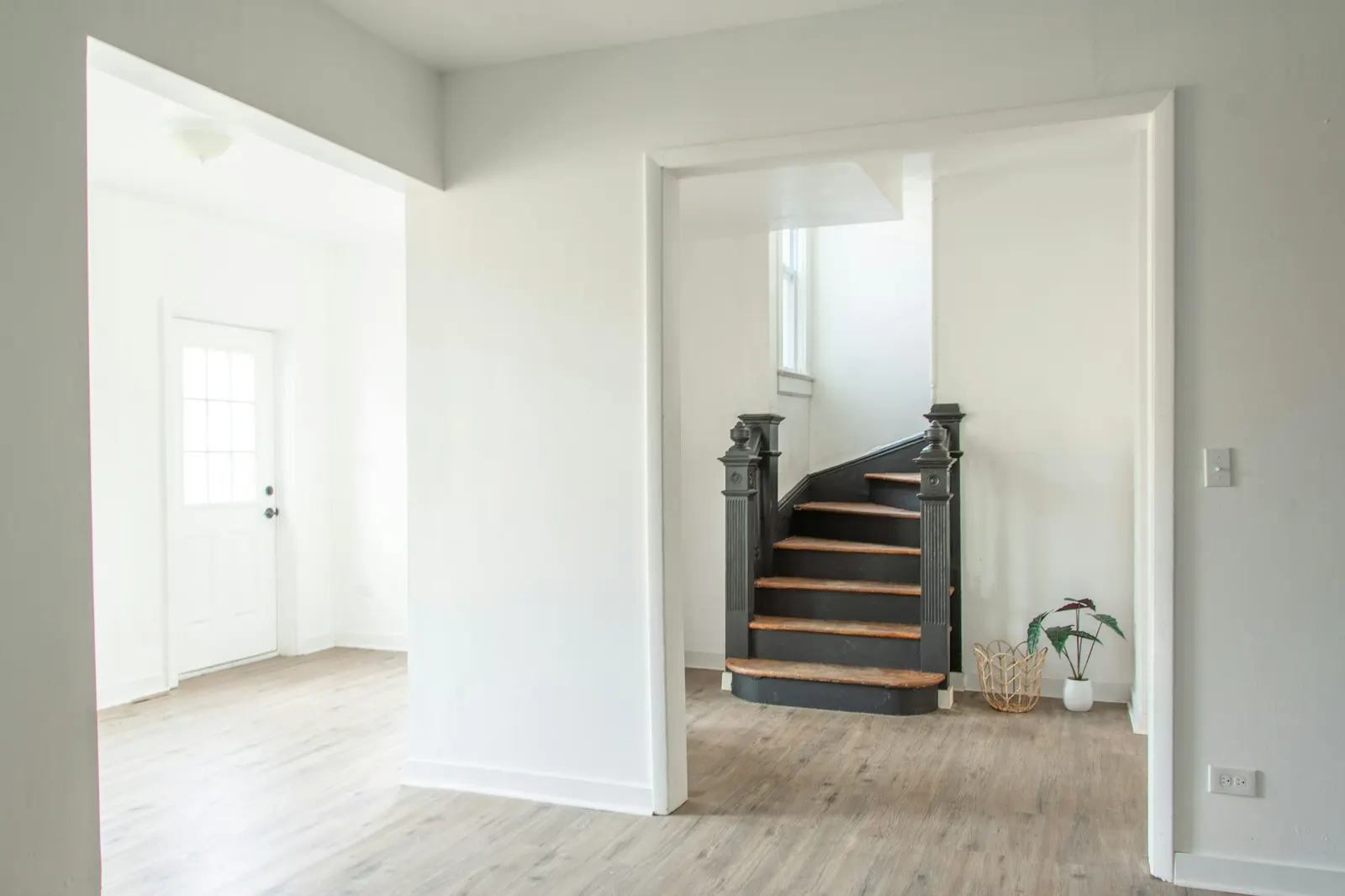
A vacant Westside Los Angeles home can be sold successfully, but it needs a plan before it is listed. The first priorities are property care, secure access, condition review, paperwork, and a launch schedule that does not depend on you being nearby. Once those pieces are assigned, the sale becomes a managed project instead of an empty house waiting for attention.
This situation often follows a relocation, an inheritance, a move into a smaller home, or a decision to place a long-held property on the market after it has already been cleared. You do not need to make every decision in person. You do need one local point of contact who can see what is happening, report it plainly, and coordinate the next step.

Start with a property walk-through
Before discussing paint, staging, or a list price, arrange a careful walk-through. The goal is to understand the home's present condition and identify anything that could worsen while it is empty. Look at plumbing fixtures, visible leaks, windows, doors, flooring, cabinets, appliances, exterior areas, and signs of moisture or pests. An empty home can hide small problems because no one is using the rooms every day.
Document the condition with photographs and a written list. If there are questions about structural, electrical, plumbing, roofing, environmental, or safety matters, refer them to the appropriate licensed professional. A real estate agent can coordinate access and help organize vendors, but an inspection or repair decision should come from the qualified specialist who evaluates that issue.
If the home has been closed up for a while, ask the person visiting it to report what they actually observe rather than offering a reassuring guess. A short, specific update is more useful: a bathroom faucet is dripping, the garage remote is missing, or a window does not latch.
Decide how the home will be cared for
A vacant property still needs regular attention. Assign responsibility for the essentials before the listing goes live. That may include periodic visits, landscape service, pool service if applicable, mail collection, trash handling, light checks, and coordination when a vendor needs entry.
Keep a simple record of visits and work completed. Give each person a defined job and a way to report a problem. If you live outside the area, this is where concierge vendor management matters. You should not have to call three different people to find out whether a repair was completed or whether a contractor is waiting for approval.
Ask your insurance professional how vacancy affects the property's coverage and what precautions are required. Ask a security professional about locks, alarm settings, cameras, lighting, and access codes. These are property-specific questions, so the right answer comes from the professionals who handle your policy and security system.
Secure access before people begin coming through
Once a home is being prepared for sale, more people may need access: inspectors, contractors, photographers, appraisers, buyer agents, and prospective buyers. Access should be controlled from the beginning.
- Use one approved entry method and change codes when the listing period ends.
- Keep a record of who has permission to enter and why.
- Remove personal papers, medications, valuables, spare keys, and items that should not be photographed.
- Confirm that windows, side gates, garages, and secondary doors are secured after each visit.
- Ask vendors to report damage or unexpected conditions immediately.
A vacant home should look cared for, not abandoned. Good lighting, clean surfaces, and a working entry system help people assess the property without creating avoidable concerns.
Choose what to repair, remove, or leave alone
Vacant homes can tempt sellers into doing every possible project. That is rarely the best use of time or money. Sort potential work into three groups: problems that affect safety or function, repairs that improve the first impression, and changes that are personal preferences rather than clear sale needs.
Start with issues that may interfere with inspection, financing, insurance, or a buyer's ability to understand the home's condition. Then consider visible items that make the property feel neglected, such as worn paint in prominent areas, broken fixtures, damaged flooring, or overgrown exterior spaces. Ask for a written scope and separate estimates when the work is substantial. The decision should account for cost, disruption, available funds, and the home's likely buyer pool.
You can also read whether selling as-is or making repairs makes sense and review how deferred maintenance affects a long-held home sale before approving work. Those decisions are easier when the property has been evaluated in person and the tradeoffs are written down.
Make the vacant home easy to understand
Empty rooms show proportion, condition, and flow clearly, but they can also feel flat in photographs. Decide whether the property needs full staging, partial staging, or a clean, unfurnished presentation. The answer depends on the architecture, condition, room sizes, and the way the home will be marketed. Staging is a tool, not a requirement for every property.
Make sure the launch materials describe the home accurately. Professional photography should show the actual rooms and their relationship to one another. If there are features that need context, such as a detached garage, outdoor area, storage space, or a less obvious entry, plan how they will be presented. A vacant home should not rely on guesswork from the listing viewer.
For a broader preparation sequence, see how to prepare a Westside LA home for market. Then discuss what happens on launch day so you know who handles photos, access, inquiries, showing feedback, and updates.
Prepare the documents and decisions early
Gather the records you have before questions begin. Useful items may include prior permits or renovation records, warranties, appliance information, utility details, mortgage information, title documents, insurance contacts, and any association documents that apply. If the home is held in a trust, owned by more than one person, or connected to an estate, identify the appropriate legal and title professionals early.
Do not guess about tax, title, probate, insurance, or legal questions. A licensed attorney, tax professional, escrow holder, title professional, or insurance representative can explain the part that falls within their role. Your agent can help keep the information moving between the people involved.
Set a communication rhythm
Remote selling works best when communication is predictable. Agree on how often you will receive updates, what requires your approval, and how urgent issues will be handled. You should know when the walk-through happened, what work is underway, what vendors are scheduled, and what buyers are saying after showings.
Ask for decisions to be presented with the relevant facts and a recommended next step. That does not mean every answer is simple. It means you can respond without reconstructing the entire situation from scattered messages. I stay in touch, and I handle the details that keep a vacant home moving toward its sale.
The right first step
If your Westside LA home is vacant, begin with a local walk-through and a written care plan. Do not start by ordering repairs or choosing a list date before you know the property's condition, access needs, document needs, and insurance requirements. With those pieces in place, you can decide what to repair, how to present the rooms, and which responsibilities should be handled locally.
If you are weighing a vacant sale after a relocation, inheritance, or major move, I can help you build the sequence and coordinate the people involved. No pressure, just real answers.
Working with me
If you are weighing a sale in Playa del Rey, the useful first conversation is not about a listing price. It is about what your home needs, what it will cost, and what it is likely to return. First Key Pacific is my practice, and I walk the property before anyone spends a dollar. Tell me about your home and we will start there.
Common questions
- Can I sell a Westside LA home if I live in another state?
- Yes. A local agent and the appropriate title, escrow, legal, tax, insurance, and inspection professionals can coordinate the transaction while you make decisions remotely.
- Should I stage a vacant Westside Los Angeles home?
- It depends on the home's layout, condition, architecture, and marketing plan. Discuss full staging, partial staging, and an unfurnished presentation before choosing.
- Who should check on my vacant home before it sells?
- Assign a reliable local point of contact, such as your agent or a property professional, and define visits, vendor access, and reporting responsibilities in advance.
- What documents should I gather before listing a vacant home?
- Gather available title, insurance, utility, renovation, permit, warranty, mortgage, and association records, then ask the relevant professionals about any missing items.