2026-06-28 · 6 min read · Playa del Rey
Selling a Long-Held Home with Deferred Maintenance: What to Fix and What to Skip
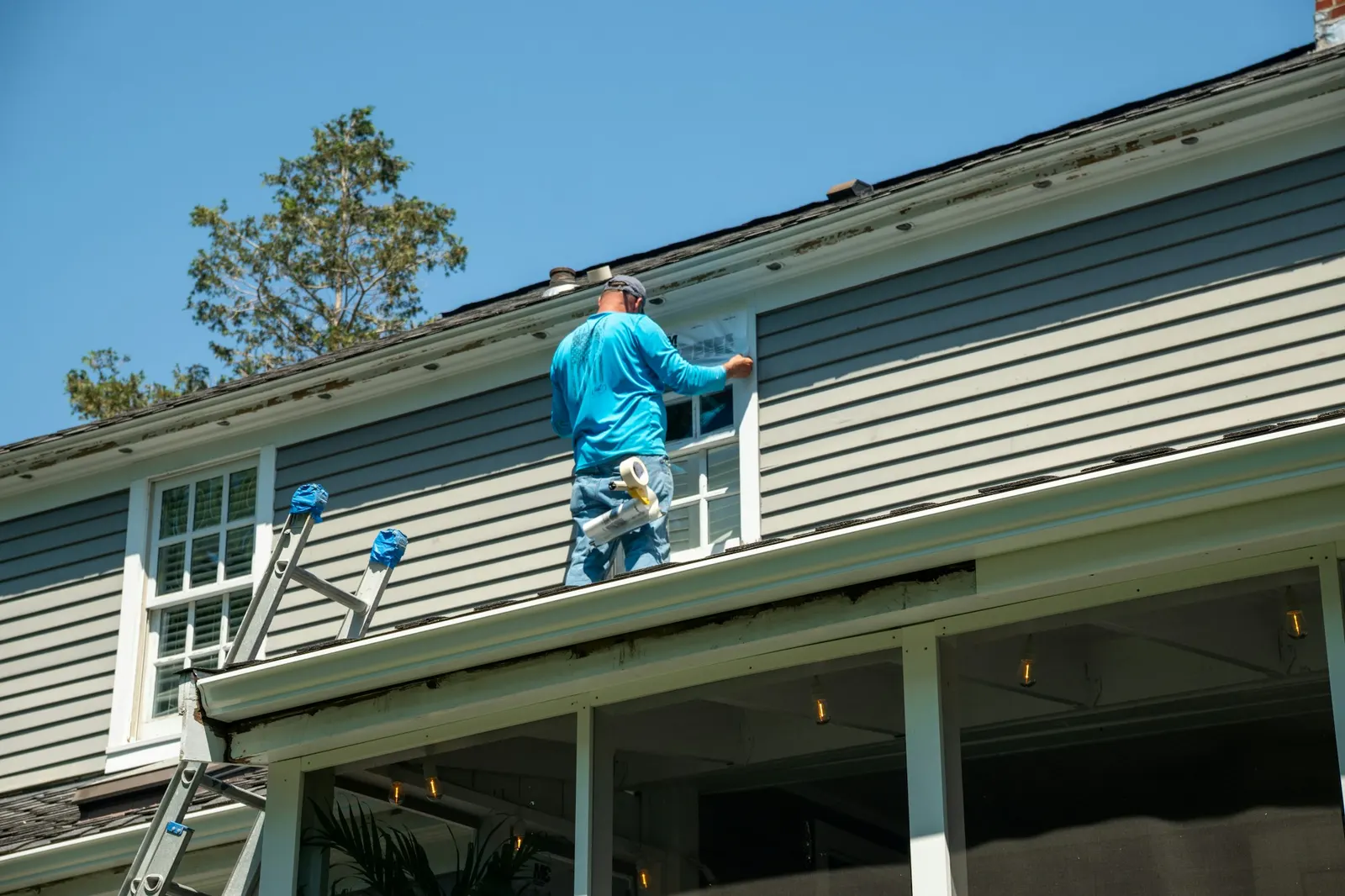
Where this one starts
If you have owned your Westside Los Angeles home for a long time, there is a good chance some things have been deferred. A fence that never got replaced. A roof getting toward the end of its life. A bathroom that has not been touched since the nineties. Maybe an HVAC system that works but is getting old. None of this means your home will not sell. It means you have some decisions to make before you list.
The decision is not to fix everything. It is to fix the right things. Here is how I walk sellers through it.
What deferred maintenance actually costs you
Buyers who see visible deferred maintenance do two things. They discount the price in their heads, usually by more than the actual repair would cost. And they add it to a mental list of unknowns, which makes them uncertain about the home in general. Uncertainty leads to lower offers, more contingencies, or no offer at all.
A home with an honest condition and a price that reflects it holds up better than a home with problems buyers discover mid-inspection. The goal is not to hide anything. It is to decide in advance what you are fixing, what you are pricing around, and what you are disclosing. That approach builds trust with buyers and holds up at the negotiating table.
The repairs that almost always pay off
Some fixes return more than they cost because they remove major buyer objections. These are the ones I almost always recommend addressing before you list.
Fresh interior paint. Neutral, clean paint throughout the interior is the highest-return item in most pre-listing budgets. It photographs well, makes rooms feel larger, and removes years of your family's specific color choices from the buyer's calculation. The cost is modest. The impact is real.
Carpet and flooring. Worn carpet or badly damaged floors can stop a buyer at the front door. If the carpet is worn through or heavily stained, replacing it costs less than most buyers will deduct. If there is hardwood underneath in decent shape, pulling old carpet and refinishing the floors is often the better investment.
A professional deep clean. Power washing the exterior, cleaning the windows, and doing a thorough interior clean makes a home photograph better and show better. I coordinate this through the Concierge Standard before Media Day.
Obvious safety items. Anything a licensed inspector will flag as a safety concern should be addressed before you list. A GFCI outlet that is not working, a water heater without proper strapping, a broken stair rail. These are inexpensive to fix and they prevent the inspection report from generating a list that scares buyers away.
Basic landscaping cleanup. The front of the home is the first thing buyers see in person and in photos. Overgrown or sparse landscaping can cost you showings before the buyer ever gets inside. A day of cleanup changes that first impression.
What you can usually skip
Not everything needs to be done before you list. Some repairs cost more than they return, and buyers expect to handle certain things themselves.
Full kitchen or bathroom remodels. This is the most common expensive mistake sellers make. They spend tens of thousands of dollars on a kitchen hoping to capture a higher sale price. Buyers discount for their own taste anyway, and the spend rarely returns dollar for dollar. If the kitchen is dated but functional, price it honestly and let the buyer choose their own finishes.
Full landscaping or pool renovations. Unless the pool has a structural problem or the yard is genuinely unusable, full overhauls rarely return their cost in the final sale price. Keep it clean and tidy. That is usually enough.
Replacing aging mechanicals that still work. If the HVAC is 18 years old but functioning, you do not need to replace it before listing. Disclose the age, let the buyer negotiate if they choose, and factor it into the pricing conversation. Spending thousands on a new system may not come back to you in the offer price.
The as-is question
Selling in current condition, without making repairs, is a legitimate strategy in the right situation. It usually means a somewhat lower price and a more limited buyer pool, but it also means less time, less money out of pocket, and less disruption during what is often an already full season of life. If you are weighing this, see this breakdown on selling as-is versus making repairs. It walks through the math on both sides.
Getting honest estimates before you decide
The hardest part of this conversation is knowing what things actually cost. Most sellers have not gotten repair bids in years, and the numbers they assume are usually out of date. Before any decision about what to fix, I coordinate walkthroughs with contractors who give real bids. Once I have those numbers, I can tell you which repairs pencil out and which do not, based on what homes like yours are actually selling for right now in your neighborhood.
That coordination is part of preparing the home for the market. For the full picture of what that preparation looks like, see how to prepare your Westside LA home for the market.
A word on the emotional side of this
Deciding what to fix in a home you have lived in for twenty or thirty years is harder than it sounds. The deferred items are often tied to a period of your life when other things came first. Work, family, taking care of the people who needed you. The house got what was left. That is normal. It does not mean you failed the place.
My job is to help you look at it clearly, make the decisions that are right for your situation, and get you to the closing table without the process taking more out of you than it has to. I handle everything. You focus on what comes next.
If you want to walk through the home together and figure out exactly what is worth doing, email me directly or visit firstkeypacific.com/contact. No pressure, just real answers.
Working with me
Deciding what to fix is easier with someone standing in the house with you. If you own a long-held home in Playa del Rey and want that walkthrough, talk to me when you are ready. First Key Pacific moves at your pace, not a deadline's.
Common questions
- Do I have to disclose deferred maintenance when I sell in California?
- Yes. California law requires sellers to complete a Transfer Disclosure Statement and disclose known material defects, including significant deferred maintenance. Hiding known problems creates legal exposure. I help sellers think through what to disclose and how to present it clearly so it does not become a negotiating problem.
- Will buyers refuse to tour a home that has deferred maintenance?
- Not if it is priced and presented honestly. Buyers in your price range expect some wear on older homes. What they do not want is to discover problems after they make an offer. A clean, honest presentation builds trust. A home that surprises them at inspection loses that trust fast and usually costs you more in the end.
- Is it worth doing cosmetic updates before I list?
- Neutral paint, clean carpet, and landscaping cleanup almost always return more than they cost. Full kitchen or bathroom remodels rarely do. The right answer depends on your specific home, your neighborhood's price point, and what competing listings look like right now.
- What if I cannot afford to make repairs before I sell?
- Selling as-is is a real option. You disclose the condition, price accordingly, and let buyers make informed offers. The trade-off is a somewhat lower price and a buyer pool that skews toward investors and experienced buyers. For sellers who need simplicity and speed, it is a workable path.
- How does your Concierge Standard help with deferred maintenance decisions?
- I coordinate the vendors so you do not have to. After our walkthrough, I bring in contractors to give real bids, schedule the work that makes sense, and track it through completion. You do not manage a single phone call if you do not want to. That is the point of full-service representation.