2026-09-28 · 6 min read · Playa del Rey
Salt Air and Your Playa del Rey Home: What a Buyer's Inspector Will Notice Before You Do
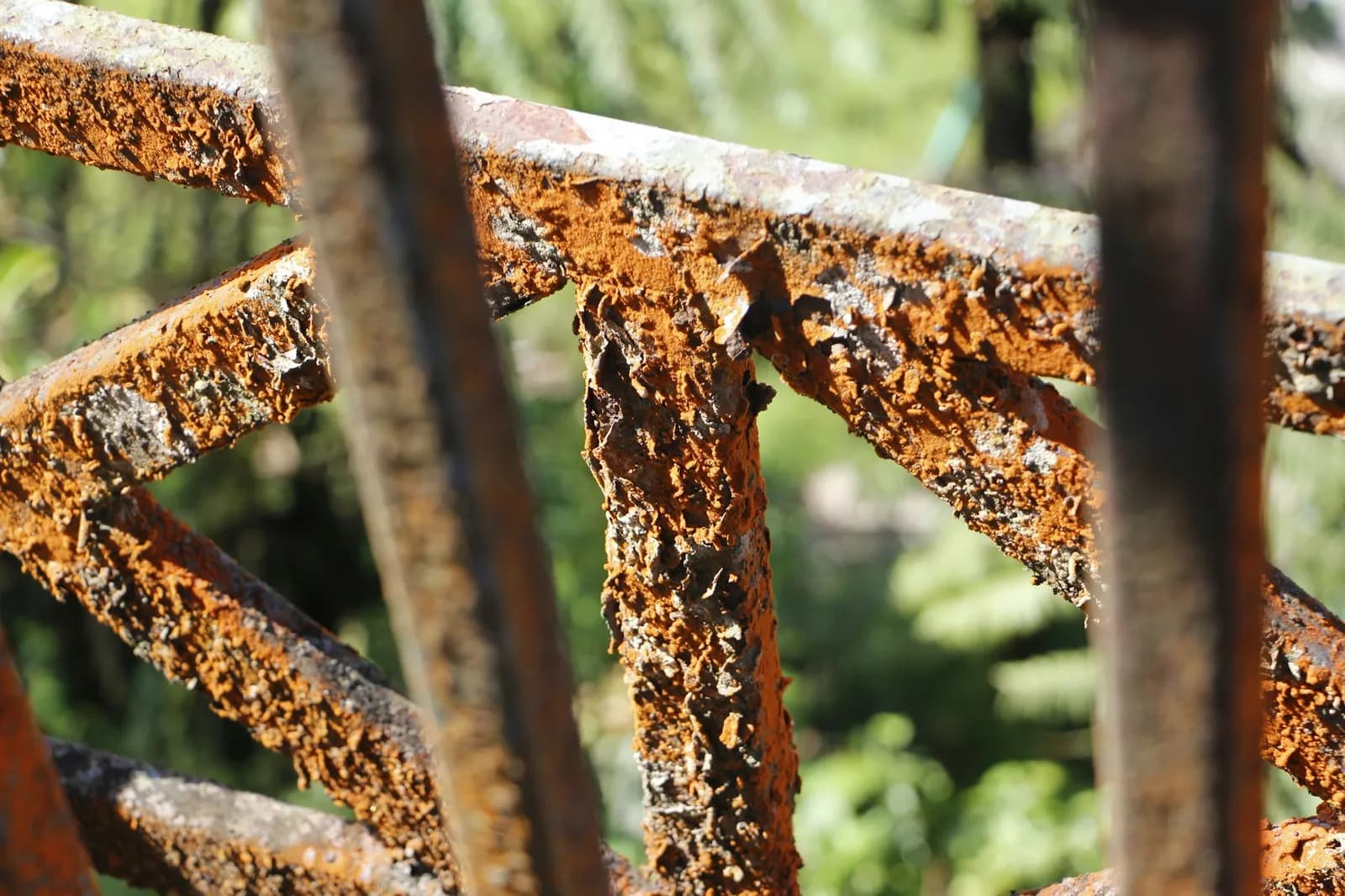
The short answer
If your home is in Playa del Rey, the air has been working on it the whole time you have lived there. Salt and moisture come in off the water, settle on every outdoor surface, and slowly go to work on metal, paint, and anything with moving parts. You stop seeing it after a few years. A buyer's home inspector sees it in the first ten minutes.
None of this makes a coastal home hard to sell. Buyers shopping near the beach expect some weathering, and most of what an inspector will write down is ordinary upkeep. The trouble starts when a long list of small items lands on a buyer's desk all at once, halfway through escrow, and a house that was in fine shape starts to read like a house nobody took care of.
I am Bobejo Kelley of First Key Pacific. Here is where salt air shows up on a house, what a buyer's inspector will notice, and how to sort the list into what to fix, what to touch up, and what to simply disclose before you list.
Why the coast is hard on a house
Salt in the air does not stay in the air. It lands as a fine film on railings, window frames, door hardware, and outdoor equipment. Add the morning marine layer, which keeps those surfaces damp for hours at a time, and you have the two things metal likes least, salt and moisture, sitting together day after day.
The result is slow and steady. Steel rusts from the fasteners outward. Aluminum frames pit and go chalky. Paint lifts first on the sides of the house that face the water and take the wind. Sliding door tracks collect a gritty mix of sand and salt that makes a door drag, then stick, then jump its track.
How much of this you see depends on the house. A home up on the bluff with a clear view of the water weathers differently from one tucked further back on a quiet street, and a newer home built with coastal grade materials weathers differently from one built decades ago with standard hardware. What matters for a sale is what is actually true of your house, not a general rule about the neighborhood.
What a buyer's inspector will notice
A general home inspection is a visual walk of the accessible parts of the house. On a coastal home, these are the places the inspector tends to slow down.
- Balcony and stair railings. Rust at the base of the posts, where the metal meets the deck or the stucco, and any railing that moves when someone leans on it. A loose railing is a safety item, and it will be written up as one.
- Fasteners and flashing. The screws, brackets, and metal flashing around decks and balconies. Rust streaks running down stucco are often the first visible sign of a fastener giving up behind it.
- Sliding doors and windows. Tracks that drag, rollers that grind, locks that will not catch, and frames with pitting or failed seals.
- The outdoor air conditioning unit. Corroded fins on the coil and rust on the cabinet. The inspector will note the condition and often recommend an evaluation by an HVAC technician.
- Garage doors and exterior hardware. Springs, hinges, tracks, and exterior light fixtures, which take the same air every day and rarely get a second look.
- Paint and stucco. Peeling, chalking, and hairline cracking, especially on the water side of the house.
For the full picture of how the report is organized and read, I walked through it in this guide to the home inspection when you sell.
Fix it, touch it up, or disclose it
Once you have walked the outside of your own house with that list in hand, most of what you find will fall into one of three groups.
Safety items get fixed. A railing that moves, a stair with a failing bracket, a garage door spring that looks tired. These are the items that make a buyer nervous about everything else in the report, and they are usually a short visit from a handyman or the right trade. Handle them before the home goes live.
Cosmetic wear gets a touch up, or gets left alone. Surface rust on a railing can be cleaned, primed, and painted. A dragging slider often needs nothing more than a cleaned track and new rollers. Paint on the water side of the house can be refreshed without painting the whole exterior. None of this is required, and some of it is better left for the buyer to price in. The question to ask of each item is whether fixing it costs less than the conversation it would cause in escrow.
Anything you know about gets disclosed. California sellers are required to disclose known material facts about the property, and that includes past repairs and problems you are aware of. Paint over rust is fine. Paint over a problem you know about and leave it off the disclosures is not. Disclosing wear up front, with the receipts for what you already fixed, is what makes a buyer trust the rest of the package. The full package is laid out in this guide to California seller disclosures.
If you would rather do none of it and sell the house as it stands, that is a real option too. I laid out how that choice plays out in this piece on selling as-is or making repairs.
When the inspection report comes back
Even with the work done, a buyer's inspection on a coastal home will usually come back with a list. That is normal, and it is not a verdict on the house.
The useful move is to read the list for what it actually is. Most items are maintenance. A few may need a closer look from a specialist, like an HVAC technician on the outdoor unit or a contractor on a deck. And a buyer's repair request is the start of a conversation, not a bill. It can be answered with a repair, a credit, a price adjustment, or a polite no, and each one fits different items. I went through how to weigh those in this guide to negotiating repair requests.
If you are selling a condo or townhome, sort the list one more time. Railings, balconies, and exterior walls are often common area, which means the homeowners association is responsible for them, not you. Your governing documents say which is which. Balcony inspections in larger buildings are their own subject, covered in this piece on balcony inspection requirements.
Hazard notations are a separate question from wear and tear. If your disclosure package also carries a seismic or methane notation, see what a liquefaction zone means in Playa del Rey.
What to do next
This weekend, walk the outside of your house slowly with the list above. Lean on every railing. Open every slider. Look at the base of every post and the stucco under every bracket. Write down what you find. It takes less than an hour, and it tells you what a buyer's inspector will say weeks before anyone else sees it.
Then decide, item by item, what to fix, what to touch up, and what to disclose. That order is part of how I prepare every listing, and the rest of the sequence is in the guide to selling a home in Playa del Rey. If you are still getting to know the area, start with the Playa del Rey neighborhood guide.
If you would rather not chase down a painter, a handyman, and an HVAC technician on your own, that is part of the job. I schedule the vendors, you choose who does the work, and the answers are ready before a buyer thinks to ask. Get in touch and we will start with a walk around the house. No pressure, just real answers.
Common questions
- Will salt air damage hurt the sale price of my Playa del Rey home?
- Not by itself. Buyers shopping near the beach expect some weathering, and most salt air wear is ordinary maintenance. What affects a negotiation is a long list of small items arriving all at once in the middle of escrow with no explanation. Handling the safety items first and disclosing the rest up front keeps the conversation about the house, not about the list.
- Do I have to repair rust before I sell?
- No. California does not require a seller to fix cosmetic wear before a sale. You do have to disclose known material facts about the property, including problems you are aware of. Anything that is a safety concern, like a railing that moves, is worth fixing before the home goes live, because it colors how a buyer reads everything else in the inspection report.
- Is it a problem to paint over rust before listing?
- Cleaning, priming, and painting surface rust is normal upkeep. The line is disclosure. If there is a problem underneath that you know about, such as a failing bracket or water getting in behind stucco, it belongs in your disclosures whether or not it has been painted. Keep the receipts for any work done so you can hand them to the buyer.
- Who is responsible for a rusted balcony railing in a condo?
- It depends on the building. In many associations, railings, balconies, and exterior walls are common area, which makes them the association's responsibility rather than the owner's. Your governing documents spell out which parts are yours and which belong to the association. Check them before you agree to any repair a buyer requests on those items.
- Should I replace the outdoor air conditioning unit if it shows corrosion?
- Not automatically. Corrosion on the coil or cabinet is common near the coast, and an inspector will usually note it and recommend an evaluation. Having an HVAC technician look at it before you list tells you whether it is cosmetic or affecting how the system runs, and that answer is far more useful to a buyer than the inspector's note alone.