2026-08-07 · 7 min read · Playa del Rey
Who Handles a Vacant Westside LA Home Before It Sells?
Where this starts
If your Westside LA home is vacant before it sells, one person needs to own the ongoing details: access, security, utilities, cleaning, repairs, exterior care, and communication with me. That person may be you, a family member, a property manager, or your listing agent coordinating trusted vendors. The key is to make the responsibility explicit before the first showing.
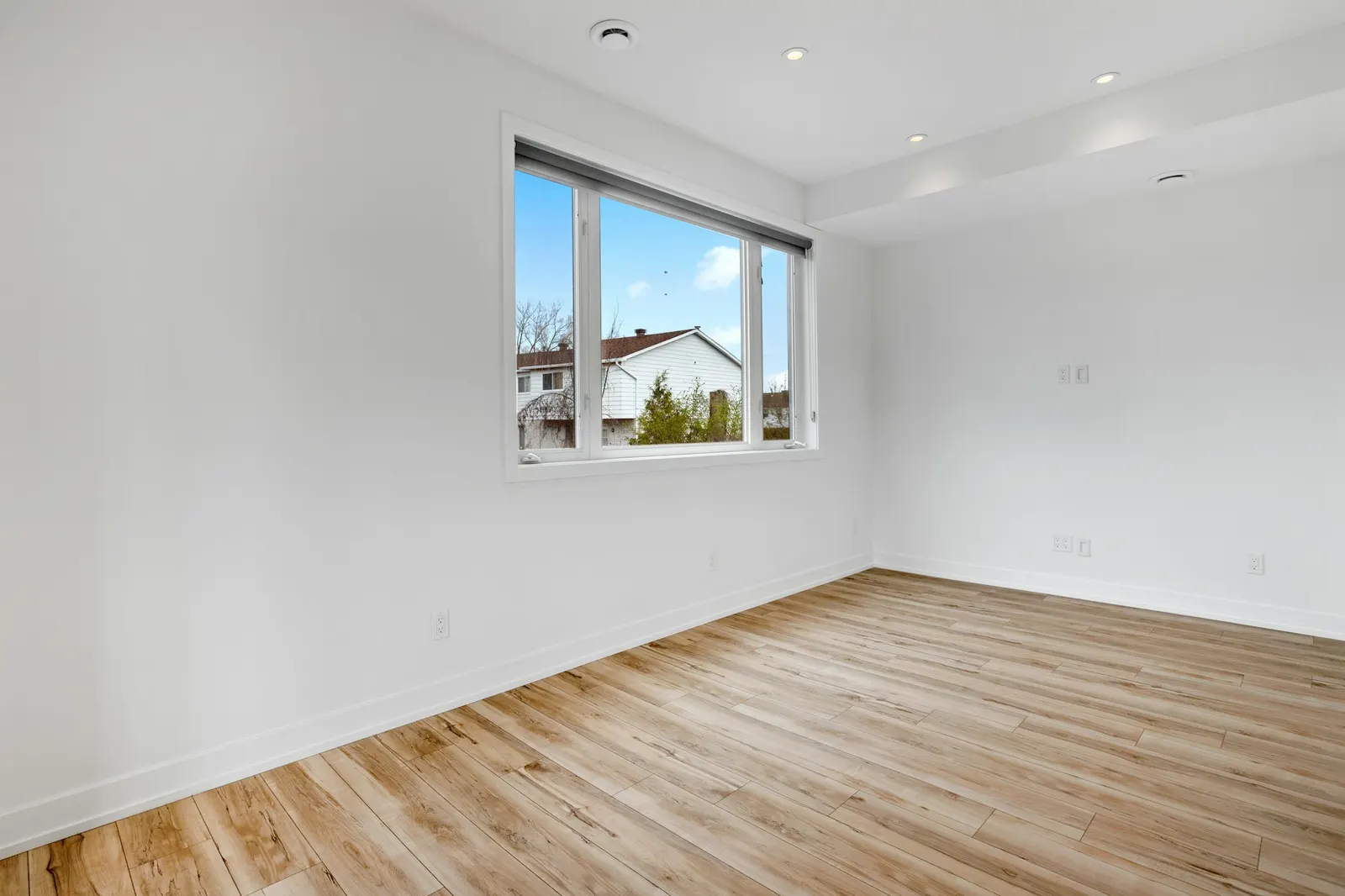
A vacant home can make a transition simpler because there are no daily belongings or residents to work around. It can also create a new set of decisions. Someone must notice a leak, replace a burned-out light, collect mail, adjust the thermostat, respond to an alarm, and make sure the property is presentable after visitors leave. If those tasks are left between several people, small problems can become sale delays or unnecessary stress.
Start with one written responsibility list
Before the home is listed, write down every recurring task and assign one owner to each. Do not rely on a group text or the assumption that someone else is checking. A simple list gives your family, vendors, and agent the same reference point.
- Who has keys, garage access, alarm information, and any gate or building instructions?
- Who checks the property and how will the visit be recorded?
- Who receives utility, insurance, HOA, and vendor notices?
- Who approves maintenance, cleaning, landscaping, or urgent repairs?
- Who confirms that doors, windows, water sources, and lights are secure after access?
- Who updates the listing agent when a condition changes?
If you are selling after a move, this list is especially useful when the people helping with the home live in different places. Put names and phone numbers beside each task. Include a backup person for emergencies, but avoid giving every person authority over every decision.
Keep essential services active
A vacant property still needs working services. Utilities may be necessary for lighting, climate control, plumbing, appliances, inspections, cleaning, and buyer visits. Ask the relevant licensed professionals and your insurance representative what the property requires while unoccupied. Requirements can vary by policy, property type, and the length of the vacancy.
Do not cancel service simply because no one is living there. A dark, unheated, or unventilated property may be harder to inspect and show. A disconnected service can also make it more difficult to identify a problem promptly. Keep a record of account numbers, service contacts, billing addresses, and the person authorized to make changes.
If the home is in a managed community, check the applicable HOA communication and access process. The association, escrow holder, insurance representative, and real estate professionals each handle different parts of a transaction. A short call with the appropriate professional can prevent you from making an assumption about a service or responsibility that belongs elsewhere.
Set a regular property-check routine
Decide how often the property will be checked and what each visit includes. A visit should be more than a quick glance from the driveway. The person entering should look for visible water, unusual odors, signs of pests, damaged windows, tripped breakers, temperature concerns, and anything that could affect a showing.
After rain, high winds, a repair visit, or a series of showings, an additional check may make sense. The right frequency depends on the property, its systems, the season, insurance guidance, and vendor arrangements. Keep the routine practical enough that it will actually happen. A dated note or shared update can help the owner and agent know when the property was last seen.
Mail and deliveries deserve attention as well. Arrange forwarding where appropriate, remove items from the entry, and make sure important notices reach the person handling the sale. If a neighbor is asked to watch for unusual activity, give that person one clear contact rather than a long list of family members.
Prepare the home for safe access
Vacant does not mean ready for every visitor. Your listing agent should control showing instructions and explain who may enter, when access is permitted, and how the property should be secured afterward. Remove or secure valuables, confidential papers, medication, spare keys, and personal information before marketing begins.
Walk through the home with safety in mind. Clear paths, secure loose rugs, replace failed bulbs, and address visible hazards that could distract from the property or create a risk. If a repair is needed, ask the appropriate contractor or inspector for advice. Keep pets out of the property during the vacant period, or make sure any animal-related arrangement is clearly communicated to everyone with access.
For a home that is being sold from a distance, a lockbox or other approved access system may reduce the need for family members to travel. The system should be managed by the listing professional and used according to the property's requirements. You should know who can access the home and how access activity is tracked.

Coordinate vendors without losing control
Vacant homes often need a small operating team: cleaning, landscaping, handyman work, pool or spa care where applicable, pest service, and specialized repairs. The goal is not to order every possible service. It is to identify what the property actually needs and make sure each vendor knows the access rules.
Ask for a written scope before work begins. Confirm whether the vendor supplies materials, who approves additional work, how invoices are sent, and what happens if no one is home. Keep receipts, reports, warranties, and before-and-after photos together. These records can help me understand the property's condition and can be useful when questions arise during the sale.
There is also a communication question: who tells the vendors when the home is in escrow, when access changes, or when the property no longer needs a service? One person should coordinate those updates. That prevents a contractor from arriving during a showing or a recurring service from continuing after it is no longer needed.
Separate sale decisions from personal decisions
A vacant home can still contain years of memories and belongings. If items remain, decide what is being kept, donated, stored, or removed before the launch plan is finalized. A clear plan for belongings can make cleaning, photography, and showings easier. You can read how to clear belongings before selling a long-held Westside LA home for a related way to organize that work.
Try to keep emotional choices and property operations on separate tracks. A family member may need time to decide what to keep, while the home still needs a working light, a clean entry, and a response to a maintenance issue. Set decision dates where helpful, and tell the listing agent which items are not to be moved or discarded.
Build the sale plan around the home's condition
The best care plan depends on the property. A recently updated condominium, a long-held house, and an inherited home with deferred maintenance will not need the same vendors or schedule. Begin with a condition review and discuss which work supports the listing and which work should wait for a buyer's request or a licensed professional's recommendation.
If you are unsure whether a repair is worthwhile, compare its purpose, cost, disruption, and effect on presentation. Your agent can help organize the decision, while contractors, inspectors, insurance professionals, and tax or legal advisers should answer questions in their areas. My guide to selling a vacant Westside LA home covers the broader preparation conversation.
Keep expectations grounded. A clean and cared-for property is easier to show, but no preparation can promise a particular price, buyer, or closing result. The purpose of the plan is to reduce preventable surprises and let buyers evaluate the home in an orderly setting.
Choose an agent who will stay involved
When a home is vacant, the listing agent's communication habits matter. You should know how showing feedback, vendor updates, access concerns, and offers will reach you. I stay in touch, and I handle the coordination that keeps a sale moving, including the details that happen between formal milestones.
Ask how the agent will manage the launch, who will be your point of contact, and how often you will receive updates. My article on what full-service listing representation actually means explains the difference between placing a property on the MLS and managing the many details around it.
A vacant home also benefits from a deliberate marketing plan. Preparation, photography, digital outreach, showing instructions, and follow-up should fit the property and the people most likely to consider it. You can review what happens on launch day when a Westside LA home goes live to see how the public launch fits into the larger process.
A simple handoff checklist
- Name the primary decision-maker and backup contact.
- Gather keys, access codes, documents, service contacts, and insurance guidance.
- Confirm essential utilities and property-check frequency.
- Remove sensitive items and set clear showing instructions.
- Assign vendors, scopes, approvals, and invoice routing.
- Tell the listing agent what has changed after every visit or repair.
- Review the plan as soon as an offer is accepted and escrow instructions begin.
You do not need to personally manage every trip to the property. You do need a dependable system with one accountable owner. With that in place, a vacant Westside LA home can be cared for properly while you focus on the move, the family decisions, and what comes next.
The next step
Every Playa del Rey sale I take on starts the same way: I see the house, then we talk numbers. Not the other way around. If that is the order you would rather work in, get in touch and I will come and look. First Key Pacific handles the rest from there.
Common questions
- Who is responsible for a vacant home before it sells?
- The owner should name one accountable person, such as a family member, property manager, or listing agent coordinating vendors, and assign every recurring task clearly.
- Should utilities stay on in a vacant home for sale?
- Usually, essential services support cleaning, inspections, repairs, climate control, and showings. Ask the relevant insurance and utility professionals about your property's requirements before changing service.
- How often should someone check a vacant Westside LA home?
- Set a practical routine based on the property, its systems, insurance guidance, weather, and vendor arrangements, with extra checks after unusual events or work.
- Can a listing agent coordinate care for a vacant home?
- A listing agent can often coordinate access, showings, communication, and trusted vendors, but the owner should confirm the agent's exact scope before listing.
- What should be removed from a vacant home before showings?
- Remove or secure valuables, confidential papers, medication, spare keys, and personal information, then clear safe paths and communicate any items that must remain.