2026-11-08 · 6 min read · Playa del Rey
Will Buyers Ask for a Soil or Drainage Report on My Bluff-Side Playa del Rey Home?
The short answer
Many will. When a home sits on or near a slope, careful buyers often want someone qualified to look at the ground under it, not just the house on top. That usually means a review of drainage, retaining walls, signs of movement and the soil itself.
You don't have to wait for them to ask. If you know it's coming, you can gather what you already have, fix the simple things, and decide whether a review of your own before you list makes sense. That keeps the conversation calm instead of surprising.
This is a different question from whether your home sits in a mapped liquefaction zone. That article covers the liquefaction map. This one is about slope, drainage and the ground on a bluff-side lot.
Why buyers look harder at a slope
A standard home inspection looks at the house: the roof, the plumbing, the electrical, the heating. On a bluff-side or hillside lot, the ground under the house is exactly what a buyer's lender, insurer or own family may ask about.
Buyers also see paperwork that points them toward the ground. Under the Seismic Hazards Mapping Act, the California Geological Survey maps zones for liquefaction and for earthquake-induced landslides. If your property falls inside a mapped landslide zone, the buyer will see that on the Natural Hazard Disclosure Statement, and many will want to understand what it means for this specific lot.
Being in a mapped zone doesn't mean something is wrong with your home. Being outside one doesn't mean a buyer won't ask. On a slope, the questions tend to come either way.
Who actually does the review
When buyers want the ground looked at, they usually call a geotechnical engineer or an engineering geologist. These are different from a home inspector. They focus on the soil, the slope, how water moves across and through the lot, and whether there are signs of settlement or movement.
What they look at often includes:
- Drainage. Where roof and yard water goes, whether drains and downspouts carry it away from the slope, and whether water collects anywhere it shouldn't.
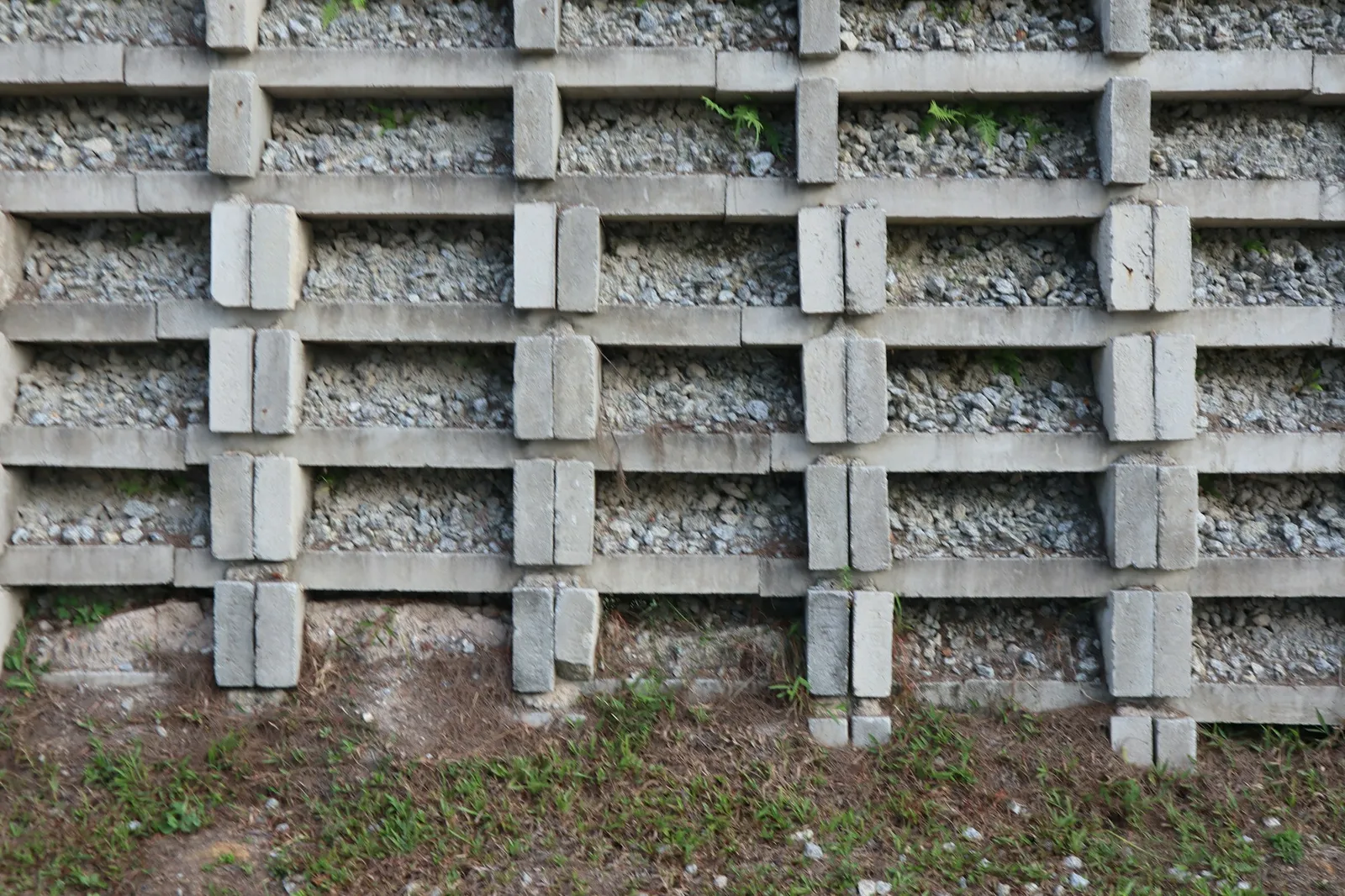
- Retaining walls. Their condition, any leaning or cracking, and whether they appear to drain properly behind the wall.
- Signs of movement. Cracks in walls, floors, patios or the driveway, doors that stick, and any gaps where hardscape meets the house.
- The slope itself. Erosion, bare soil, and changes near the edge of the lot.
The engineer may recommend anything from small drainage fixes to further testing. Their report is what the buyer will base their next request on.
When it happens in the sale
In a typical California sale written on the standard C.A.R. purchase agreement, the buyer's investigation contingency is 17 days after acceptance unless the two sides agree to a different number. That window is when the buyer schedules inspections, including a geotechnical review if they want one.
Seventeen days sounds like plenty, but specialists can be booked out. If a buyer's engineer can't get out right away, the clock gets tight, and a nervous buyer may ask for more time or a credit just to be safe. This is one of the best reasons to prepare before you list.
If the review turns up something, the buyer may use a Request for Repair to ask you to fix it, lower the price, or give a credit. Knowing what's out there ahead of time means you're negotiating from facts, not reacting under a deadline.
How to get ready before you list
Gather what you already have. Look for any past geology or soils reports, permits for retaining walls or drainage work, engineering letters from a remodel, and receipts for repairs. Many bluff-side homes have some history like this. A buyer's engineer can often work faster when they can read what was done before.
Walk the lot after it rains, if you can. Note where water flows, where it pools, and whether drains keep up. Clear debris from drains and gutters and make sure downspouts send water away from the slope.
Fix the simple things. A clogged drain, a disconnected downspout, or soil washing onto a patio are small items that look much bigger in a report. Taking care of them before you list takes them off the table.
Consider your own review. Some sellers hire a geotechnical engineer before listing. It costs money and takes time, and it means you'll learn things you then need to disclose. It also means no surprises, and buyers can see the report up front. Whether that's right for you depends on the lot, its history and what you already know. We can talk through it together.
Disclose what you know. Past repairs, cracks you've watched, water that has collected after storms. Plain disclosure protects you and builds trust. If a report recommends work you won't finish before closing, an escrow holdback is one way some sellers and buyers handle it.
What buyers care about most
People choose a bluff-side home in Playa del Rey for good reasons: the setting, the light, and often the view. This comparison of the bluffs and the homes near the beach covers what daily life is like in each. The buyers who love that setting usually aren't scared off by a slope. What makes them nervous is not knowing.
A seller who can hand over past reports, show clean drains, and explain any repairs gives that buyer something solid to stand on. That tends to keep the sale moving and the negotiation focused on facts.
Your next step
Start by pulling together any reports, permits and repair records you have for the lot. Then let's walk the property together. I'll look at it the way a buyer will, help you decide whether a pre-listing review is worth it, and plan the timing so the investigation period doesn't catch you short.
I handle everything from there: the vendors, the preparation, Media Day, the marketing and the paperwork. No pressure, just real answers. When you're ready, send me a note here.
Common questions
- Will a regular home inspection check my slope?
- A general home inspection focuses on the house itself, such as the roof, plumbing and electrical. For questions about the slope, soil and drainage, buyers often call a geotechnical engineer or an engineering geologist.
- Do I have to disclose that my home is in a landslide zone?
- California's Natural Hazard Disclosure Statement covers mapped hazard areas, including the earthquake-induced landslide zones the California Geological Survey maps. If your property is in one, the buyer will see it on that disclosure.
- How long does a buyer have to do a soil or drainage review?
- On the standard C.A.R. purchase agreement, the investigation contingency is 17 days after acceptance unless both sides agree to a different period. Specialists can be booked out, so preparing early helps.
- Should I get my own geotechnical report before listing?
- Sometimes. It costs money and anything it finds must be disclosed, but it removes surprises and lets buyers see the facts up front. It depends on your lot, its history and what you already know.
- What simple things should I fix before buyers look?
- Clear drains and gutters, reconnect downspouts so water flows away from the slope, and clean up any soil washing onto patios or walkways. Small items look bigger in a report.