2026-09-18 · 6 min read · Playa del Rey
What Is an Escrow Holdback, and When Does It Save a Playa del Rey Home Sale?
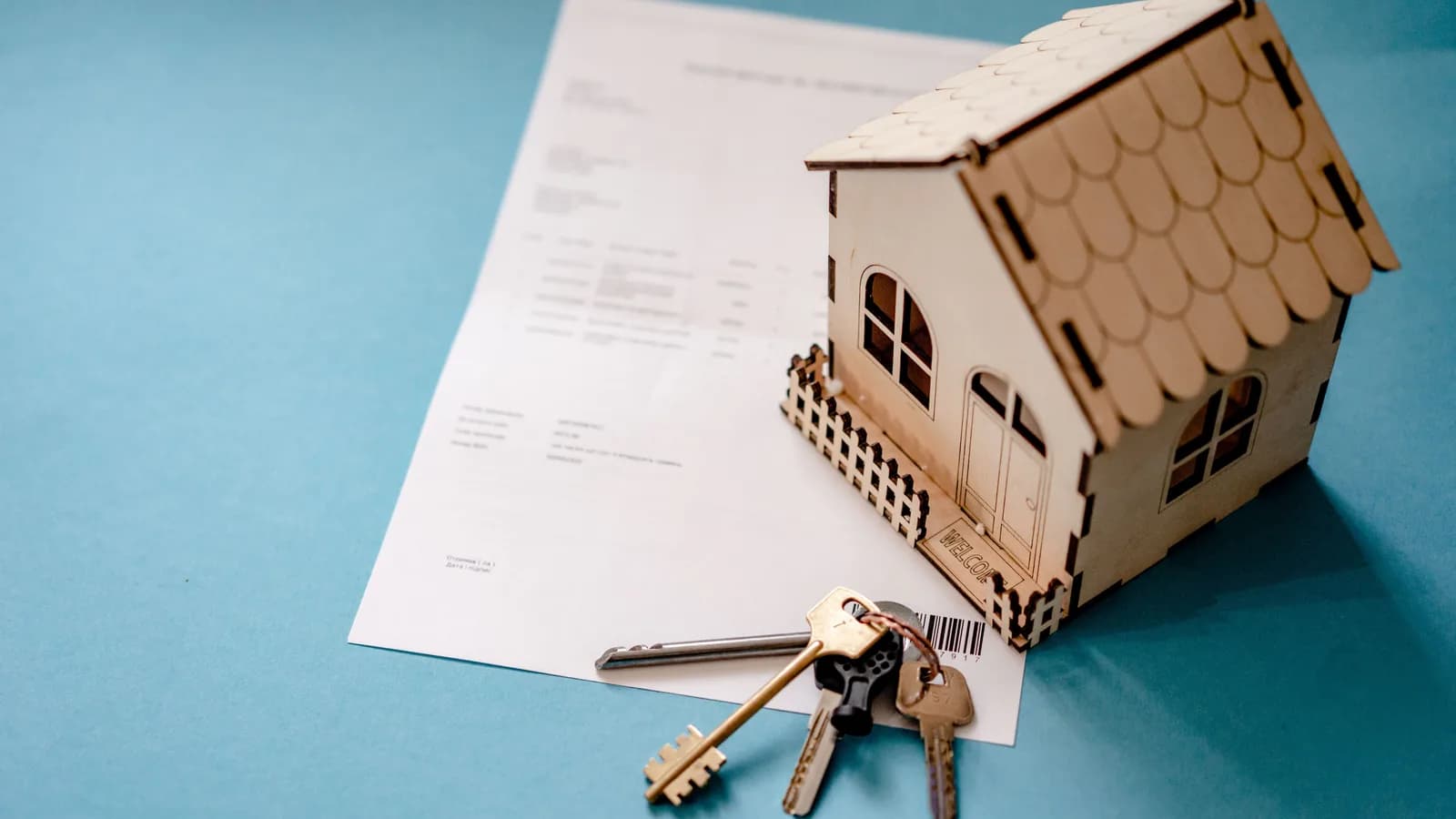
What an escrow holdback actually is
An escrow holdback is money set aside at closing to pay for work that is not finished yet. The sale records, the buyer gets the keys, and a defined amount of the seller's proceeds stays with the escrow company until the work is done and documented. Then it gets released, to the vendor, back to the seller, or to the buyer if the work never happened.
It exists for one reason. Something needs to be repaired, both sides already agree on it, and the calendar will not cooperate. Rather than pushing the closing date and putting the whole transaction back in play, the parties close on schedule and park the money until the job is finished.
Most Westside sales never need one. But when a transaction is otherwise clean and a single unfinished item is the only thing standing between everyone and the closing table, a holdback is often the difference between a deal that closes and a deal that comes apart. If you want the full sequence a holdback fits inside, here is what happens after you accept an offer.
When it comes up in a Playa del Rey sale
The pattern is almost always the same. A repair gets agreed to during the inspection negotiation, the vendor gets scheduled, and something nobody controls pushes the work past the closing date.
- Exterior work stalled by weather. Roof, deck, stucco, and exterior paint near the coast all need dry conditions, and a wet stretch in the winter can turn a three-day job into a three-week one.
- A permit that has not been signed off. The work is physically complete, but the final inspection has not happened, and the buyer's lender wants the sign-off in the file before funding.
- A specialty vendor who is booked out. Foundation work, sewer lines, electrical panel upgrades. A short list of people do that work well on the Westside, and their calendars run long.
- Something discovered at the final walkthrough. A water heater that failed over the weekend, a leak under a sink, damage caused by the move-out itself.
- Parts on order. A furnace component, a specific window, an appliance that is weeks out from the warehouse.
None of those are disasters. They are scheduling problems, and a holdback is the tool built for them. If the item came out of your inspection negotiation to begin with, most of the groundwork is already done. Here is how that conversation usually goes: negotiating repair requests after a home inspection.
The lender decides, not the buyer and seller
This is the part that catches people. A buyer and a seller can shake hands on a holdback and still not have one, because when the buyer is financing the purchase, the lender has the last word.
Lenders weigh two things. The first is whether the unfinished condition affects the home's habitability or its value as collateral. A cosmetic item is usually fine to hold back. A structural, roofing, or safety issue often is not, because the appraisal was written on a property in a stated condition, and the lender will not fund against a home that does not yet meet it.
The second is administration. The lender wants the money held by a neutral party, under written instructions, with a defined proof of completion. Some loan programs allow repair holdbacks readily. Others restrict them sharply or prohibit them outright, and the answer can change depending on whether the loan is conventional, FHA, VA, or a portfolio product the lender keeps in house.
So the order matters. Agree in principle, then get the lender's answer in writing before anybody counts on it. I ask that question early, because the alternative is telling a seller two days before closing that the plan everyone already agreed to was never available.
How the money is actually held
A holdback runs on written instructions signed by both sides and delivered to escrow. Good instructions cover the same points every time.
- The amount. Usually more than the contractor's bid, so there is room if the job costs more once it is opened up. Whatever is left over goes back to the seller when the work clears.
- The scope. Written specifically. A line that says repair the roof is an argument waiting to happen. The scope should read like the bid it came from, with the same detail.
- The deadline. A date the work must be complete by, and what happens to the funds if that date passes.
- Who does the work. Often the named contractor whose bid set the number, with the license number written in.
- What releases the money. A final invoice, a permit sign-off, a reinspection report, photographs, or some combination. Decide this up front and write it down.
- Who covers an overrun. If the job runs past the holdback amount, the instructions should already say who pays the difference.
Escrow is neutral by design. It will not release a dollar on a phone call or a text message from either side. It releases on the specific document the instructions named, which is why those instructions need to be precise rather than friendly. If you want the broader picture of what escrow does and does not do in a California sale, start here: what escrow is and how it works.
What a holdback cannot fix
A holdback is a timing tool. It is not a way to hand somebody an unresolved problem with a check stapled to it.
It does not work when nobody knows the scope. If the plumber says the line has to be scoped with a camera before anyone can price it, there is no number to hold back and no definition of done. Writing a guess into escrow instructions creates a second dispute on top of the first one.
It does not work when the outcome depends on an agency. If a permit may or may not issue, or a correction notice may or may not clear, that is a risk to be negotiated, not a schedule to be managed. A holdback assumes the work will be finished. When that assumption is shaky, price it into the deal instead.
And it is never a substitute for disclosure. Money sitting in escrow does not erase what you knew about the property. Everything material still goes on your disclosures, in writing, whether or not it is being repaired and whether a holdback covers it. A buyer who finds out about a condition afterward, with funds in escrow and nothing on the disclosure form, has a much better story to tell than you do.
If you are the buyer
From the other side of the table, a holdback is protection, but only as strong as what it says. Buyers sometimes accept a number without pinning down the scope, then discover that the repair everyone described in conversation is not the repair the instructions actually require.
Read the scope against the original inspection finding, line by line. Confirm who chooses the contractor and who signs off that the work was done correctly. Ask whether a reinspection by your own inspector is a condition of release, and put that in writing before closing rather than after. And know your deadline, because once the date in the instructions passes, the remedy is whatever the instructions say it is.
How to decide whether to ask for one
Three questions get you to an answer.
Is the work defined and priced by a real vendor? If yes, a holdback is on the table. If the answer is a shrug and a range, it is not. Is the lender willing, in writing? Ask before you promise anything to the other side. And would you rather close on schedule with money parked, or move the closing date?
That last one gets waved off more than it should. Moving a date sounds harmless and often is not, because the buyer's rate lock, the moving truck, the buyer's own sale, and your next purchase are all tied to it. A transaction that comes apart late is its own kind of expensive: here is what that actually looks like.
If you are selling in Playa del Rey and something on your repair list is not going to be finished in time, it is a solvable problem. It is also much easier to solve three weeks out than three days out, because that is when the lender question can still be asked without a deadline on top of it. Tell me what you are dealing with and I will tell you plainly whether a holdback is the right answer or whether there is a cleaner way through it.
Common questions
- What is an escrow holdback in a California home sale?
- It is an agreed amount of the seller's proceeds that stays with the escrow company after closing, set aside to pay for a repair that could not be completed before the sale recorded. Written instructions signed by both sides define the scope, the deadline, and what document releases the funds.
- Does the lender have to approve an escrow holdback?
- If the buyer is financing the purchase, yes. The lender has the final say, and the answer depends on the loan program and on whether the unfinished condition affects habitability or the appraised value. Get that approval in writing before either side treats the holdback as settled.
- How much money gets held back?
- The amount is tied to a licensed contractor's written bid, and it is usually set above that bid so there is room if the work costs more than expected once it begins. Anything left after the work is completed and documented is returned to the seller.
- What happens if the repair is never completed?
- The escrow instructions govern. They typically set a deadline and say what happens when it passes, which may mean releasing the funds to the buyer, paying a replacement contractor, or another agreed remedy. This is why the deadline and the remedy belong in the instructions from the start.
- Is a holdback the same as a repair credit?
- No. A credit reduces what the buyer brings to closing and the work becomes the buyer's problem afterward, with no obligation to do it. A holdback keeps a specific repair obligation alive after closing and ties the money to proof that the work was finished.
- Do I still have to disclose a condition that a holdback covers?
- Yes. A holdback changes who pays and when the work happens. It does not change your disclosure obligation. Anything material that you know about the property goes on the disclosures in writing, repaired or not.