2026-07-23 · 5 min read · Playa del Rey
What Documents to Gather Before Selling a Long-Held Westside LA Home
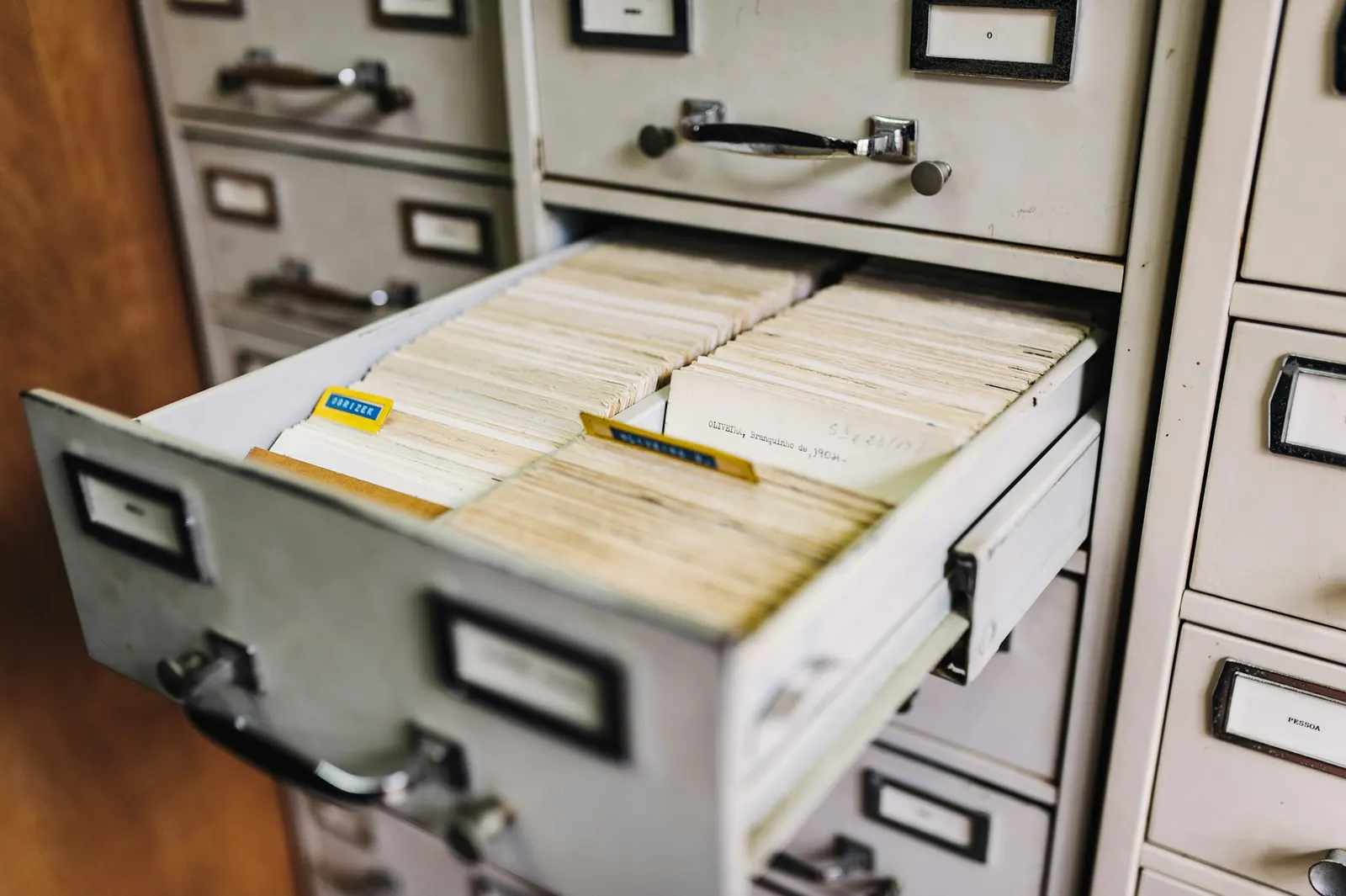
Start with a working folder
Before you list a long-held Westside Los Angeles home, gather the records that explain ownership, condition, improvements, and the people who may need to sign. You do not need a perfect file or every receipt from the last several decades. You need a working collection that lets your agent, escrow team, title company, inspector, and licensed advisers see the home's history and identify missing pieces early.
Start with a simple folder, either digital or paper. Add what you have, label what you do not have, and avoid delaying a conversation with your agent because one document is missing. A calm review at the beginning gives you more room to make decisions later.

1. Confirm who owns the home
Find the most recent deed, trust documents, or other ownership records you have. The deed helps confirm how the property is titled and who may need to participate in the sale. If the home is held in a trust, locate the trust paperwork and any amendments that affect the property. If an owner has died, moved away, or cannot sign directly, bring that information forward at the start.
Do not guess about authority to sell. Ownership questions can involve a title company, estate professional, or real estate attorney. I can help organize the question and direct you to the right licensed professional, but I do not replace legal advice.
Also collect identification information for each owner and note the best contact method for anyone who will be signing from another location. A sale is easier to coordinate when the team knows who is involved before documents begin moving.
2. Locate mortgage and lien information
Gather recent mortgage statements, home equity loan records, and any notices related to a lien. If a loan has been paid off, look for a reconveyance or other evidence that the lien was released. If you are unsure whether an old account was cleared, do not rely on memory. The title process will identify recorded matters, and early notice gives the responsible team time to investigate.
Include property tax statements if they are easy to find. They can help the team understand the current account information, while a tax professional can address questions about taxes, adjusted basis, or a long-held home's financial history. Keep those tax questions separate from the marketing and preparation decisions so one uncertainty does not stop the entire process.
3. Build an improvement and repair file
Walk through the home and list major work completed during your ownership. Include approximate dates, the contractor or company if known, permits if you have them, and warranties that may still apply. Useful records may include:
- Room additions, structural work, or converted spaces
- Roof, windows, plumbing, electrical, heating, or air-conditioning work
- Kitchen and bathroom renovations
- Solar equipment, leases, financing, or payoff information
- Drainage, foundation, pool, or safety work
- Appliance, termite, mold, or water-damage reports
- Plans, surveys, permits, invoices, and transferable warranties
Do not throw away records simply because a project was completed years ago. They may answer a buyer's question or help determine what should be disclosed. If work was done without a permit or you cannot confirm the permit history, tell your agent. California disclosure duties can be fact-specific, so ask a qualified real estate attorney when you need legal guidance. You can also review what California sellers must disclose as you prepare your questions.
4. Collect association and property records
If the home is a condominium, townhouse, or property governed by an association, gather the latest statements, contact information, rules, insurance information, and any notices you have received. The association will usually provide a formal package, but your records can help identify pending assessments, recent changes, or a question that needs follow-up.
For a single-family home, collect surveys, plans, boundary information, and notices involving shared drives, easements, drainage, or nearby construction if you have them. You do not need to interpret every document yourself. Put each item in the folder and flag anything that seems unusual.
5. Prepare disclosure and condition notes
Make a room-by-room list of known conditions, even if you think they are minor. Note past leaks, repairs, insurance claims, appliance issues, neighborhood noise you have experienced, and anything that has changed since you bought the home. Include what has been repaired and what remains unresolved.
This is not a request to write a legal disclosure statement alone. It is a memory aid. Long-held homes contain years of details, and a written list is more reliable than trying to recall them during a fast meeting. Be factual. Do not minimize a condition because it feels old, and do not describe a cause you cannot verify.
It also helps to gather utility bills only when they answer a practical question, such as the age or service history of a system. Avoid spending days assembling records that do not affect the sale. The goal is a useful file, not a museum of the house.
6. Separate sale records from personal papers
A long-held home often contains birth certificates, financial statements, family photographs, medical records, and other private papers. Move those items into a secure personal location before showings, photography, or vendor visits. Shred sensitive papers you no longer need through a trusted service.
Create a separate plan for sentimental belongings. Decide what is staying, what is going to family, what will be donated, and what needs professional removal. Your agent can help coordinate appropriate vendors, but you should make the personal decisions. If you are selling during a move, inheritance, or another major change, give yourself a sequence instead of trying to clear everything in one weekend.
7. Share the folder early
Once you have a first draft of the file, share it with your agent. The review may reveal that a title question, permit question, association request, or repair decision belongs to another professional. That is useful information before the home is photographed and listed.
I can help sort the records into a practical order, coordinate vendors, and keep track of open questions. My role is to stay in touch and keep the details moving while you decide what comes next. You can also read what full-service listing representation includes when comparing the level of support you want.
As offers arrive, the folder remains useful. A clear record of known work and ownership details helps the transaction team respond to questions without sending you back through every cabinet and drawer. Before you review proceeds, learn how to read a seller net sheet. After acceptance, you can review what happens after you accept an offer so the next steps feel familiar.
A manageable first step
You can begin with three items today: the most recent ownership record, the latest loan or tax statement you can find, and a handwritten list of major repairs. Put them together, mark the gaps, and ask for help with the questions that require a title, tax, legal, or insurance professional. The paperwork does not have to be perfect before you begin. It has to be visible, organized, and honest enough for the right people to act on it.
The next step
There is no rush on this, and I will not create one. When you want to talk through what a move out of a long-held Playa del Rey home would actually look like, get in touch. First Key Pacific handles the parts you would rather not.
Common questions
- What documents do I need to sell a long-held home in Westside Los Angeles?
- Start with ownership records, loan and lien information, improvement and permit records, property or association documents, and notes about known conditions. Your escrow and title teams will identify additional items for your sale.
- What if I cannot find the deed to my Westside LA home?
- Tell your agent and title team early. They can explain how to obtain or verify recorded ownership information. Do not assume that a missing paper means you cannot sell.
- Should I keep records for unpermitted work?
- Yes. Keep any records you have and tell your agent about the work. Disclosure and legal questions can be specific, so consult a qualified real estate attorney when needed.
- Do I need every repair receipt before listing my home?
- No. Gather the major records you can find and make a list of work completed, approximate dates, and known warranties. Missing receipts can be flagged for follow-up rather than hidden.
- How should I protect private papers before selling?
- Move personal and sensitive documents out of the home before photography, showings, and vendor visits. Store them securely and shred unneeded papers through a trusted service.