2026-11-19 · 7 min read · Del Rey
Should I buy a house in Del Rey or a condo in Playa Vista?
The short answer
It comes down to which trade you would rather make. A house in Del Rey usually means you own a lot, you control the yard and the repairs, and you pay for every one of them. A condo in Playa Vista means you share a building and its costs with your neighbors, an HOA manages the parts you share, and you agree to live by that HOA's rules and budget.
Neither is the smarter buy on its own. The right one is the one whose trade-offs fit how you live and how long you plan to stay. If both fit your budget, here is how I help buyers compare the two fairly, using the documents and numbers that actually decide it.
Start with what you would actually own
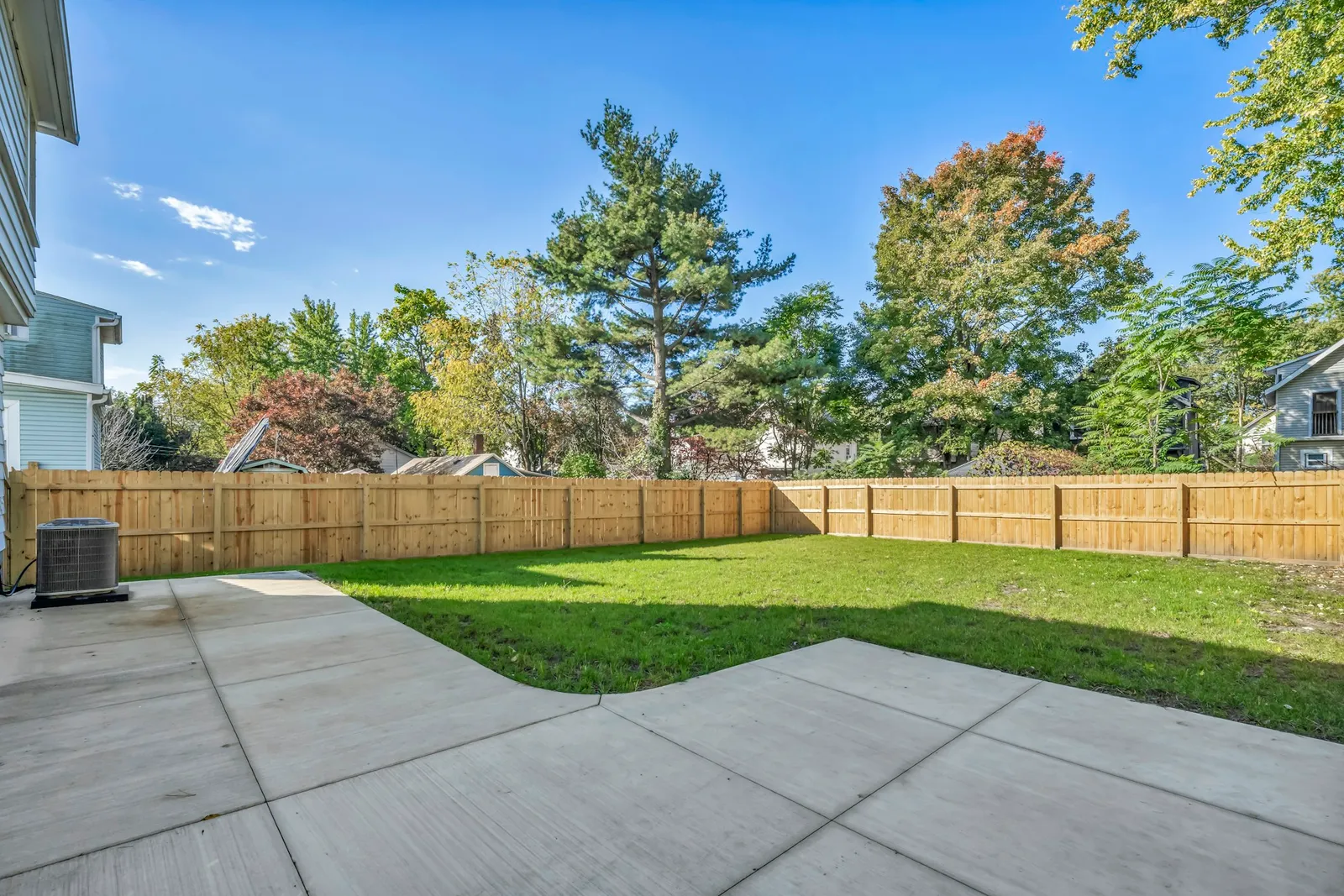
With a single-family house, you generally own the building and the land under it. That matters more than most buyers expect, because land is the one part of a home you cannot add later. You can redo a kitchen. You cannot make a lot deeper.
With a condo, you own your unit plus a share of the common areas, and the association manages the building and grounds. In practice, you become a co-owner of the roof, the garage, the hallways and any pool or gym with everyone else in the building. Their decisions, and their budget, become part of your ownership.
So before you write an offer on either one, read the preliminary title report to see exactly what is being sold. On a condo, also read the CC&Rs, the bylaws and the house rules. Those are the documents you will live under, and they are worth reading before you fall for the view.
Compare the monthly cost, not just the price
Two homes at the same price can cost very different amounts each month. Line these up side by side for each home you are serious about:
- Property tax. In California, the price you pay generally becomes the home's new assessed value, and under Proposition 13 the yearly increase on that value is, in most cases, limited to a maximum of 2 percent. Your tax bill follows what you pay, not what the seller paid.
- The special tax on some Playa Vista bills. Part of Playa Vista sits inside a Community Facilities District formed by the City of Los Angeles to pay for public facilities, and that special tax shows up on the property tax bill. The amount is set parcel by parcel, so look up the exact home. My article on why the special assessment differs from one Playa Vista condo to the next walks through how to check it.
- HOA dues on the condo. Ask what the dues cover, how they have changed over the last few years, and whether more than one association bills the unit. The guide to what Playa Vista HOA dues pay for covers the details.
- Insurance. A house needs its own full policy. A condo owner typically insures the inside of the unit while the association insures the building, so read the HOA's master policy to see where one ends and the other begins.
- Upkeep on the house. Roof, sewer line, electrical panel, plumbing, paint. Nobody else sets money aside for those, so you have to.
Once all five are on one page, the gap between a house and a condo at the same price often looks very different from what the listing suggested.
Decide how much control you want
In a Del Rey house, you decide the paint color, the landscaping and when the roof gets replaced. City permits still apply to real construction, but there is no architectural committee to ask first.
A single-family lot can also give you room to grow. California law generally allows an accessory dwelling unit, and often a junior unit inside the house, on a single-family lot, and the City of Los Angeles reviews a qualifying ADU without a public hearing. That can mean space for a parent, a home office, or rental income later. Every lot is different, so confirm with the City what the specific property allows before you count on it.
In a Playa Vista condo, the association has a say over a lot of what you change, especially anything that touches shared walls, floors, windows or the exterior. If you plan to remodel, read how Playa Vista's architectural rules work first. If you might rent the home out someday, read what controls renting a Playa Vista home, because the association's rules can matter as much as the city's.
Spend a day in each before you decide
The documents tell you what you are buying. A day in each place tells you whether you will like living there.
- Walk your errands. Notice where you would get coffee, buy groceries and meet a friend, and whether you would walk, bike or drive to each.
- Drive your commute at the hour you would really leave the house, from both addresses. A short distance on a map can feel very different at rush hour.
- Listen. In a condo, ask about sound between units and visit in the evening. In a house, notice the street traffic and the neighbors' yards.
- Check parking. For a condo, find out which spaces come with the unit. The article on whether a Playa Vista parking space conveys explains what to look for.
- Picture the weekend. A yard is a pleasure for some buyers and a chore for others. Shared amenities are a perk for some and a cost for others. Be honest about which one you are.
Think about the day you sell
Most buyers do not plan to stay forever, so it helps to ask what you would be selling later.
A house's value leans heavily on its land and its condition. A condo's value also rides on the health of its building and its association: the reserves, the repairs coming up, and how well the HOA is run. Before you buy a condo, ask for the reserve study and read how to read a Playa Vista reserve study. A well-funded association protects your resale. An underfunded one can hand you a special assessment right when you want to move.
If you are still deciding between townhome and condo styles inside Playa Vista, the comparison of which holds its value better at resale is a good next read.
Questions to answer before you write an offer
- How long do I realistically plan to live here?
- Do I want a yard, and am I ready for the upkeep that comes with it?
- What will each home cost me every month, with tax, special tax, dues, insurance and upkeep included?
- What do the HOA documents say about reserves, rules and upcoming repairs?
- What does the title report say I am actually buying?
- If I need more space in five years, which home gives me a way to get it?
When you can answer all six for both homes, the choice usually makes itself. It is specific to you, which is exactly how it should be.
Let's compare them side by side
If you are weighing a Del Rey house against a Playa Vista condo, I will gather the documents for both, line up the real monthly costs, and walk the two neighborhoods with you. No pressure, just real answers. I'm here when you're ready. Call or text me at 310.708.7717, or send me a note here.
Common questions
- Is a Del Rey house always more expensive to own than a Playa Vista condo?
- No. A house has no condo HOA dues but carries all of its own repairs, while a condo spreads building costs through dues and may carry a special tax on the property tax bill. Line up tax, dues, insurance and upkeep for each home to see the real monthly difference.
- Why do some Playa Vista homes have a special tax on the property tax bill?
- Part of Playa Vista is inside a Community Facilities District formed by the City of Los Angeles to pay for public facilities. The special tax is set parcel by parcel, so check the exact home before you write an offer.
- Can I add a second unit to a Del Rey house?
- Often, yes. California law generally allows an accessory dwelling unit on a single-family lot, and the City of Los Angeles reviews a qualifying ADU without a public hearing. Confirm what the specific lot allows with the City first.
- How will my property tax be set if I buy?
- In California, the price you pay generally becomes the new assessed value, and under Proposition 13 the yearly increase is, in most cases, limited to 2 percent. Your bill follows your purchase price, not the seller's.
- What documents should I read before buying a Playa Vista condo?
- Read the CC&Rs, bylaws, house rules, the HOA budget, the reserve study, the master insurance policy and recent board minutes. Together they show what you own, what you pay and what repairs may be coming.