2026-09-15 · 7 min read · Playa Vista
Does the Parking Space Convey With a Playa Vista Condo? Deeded, Assigned, and What Actually Transfers
The short answer
It depends on the document, not on the space itself. A parking space at a Playa Vista home can transfer three different ways, and the three are not interchangeable.
It can be part of what you own outright, described in the recorded plan for the project. It can be common area the association has set aside for your home alone, which most people hear described as exclusive use. Or it can be a space the association assigns, tracks on a list, and keeps the authority to reassign.
Which one you have changes what you are selling and what a buyer is buying. The answer is also not uniform across Playa Vista, because the community is made up of several projects with their own recorded documents.
I am Bobejo Kelley of First Key Pacific. This question tends to surface late, usually the week someone is writing the listing or explaining to a buyer why the parking line does not match what the neighbor said.
Three ways a space can be attached to a home
Every parking arrangement in a California common interest development falls into one of these, and the paperwork says which.
- Part of the separate interest. The space is described in the recorded condominium plan with its own identifier and is part of the property conveyed by the deed. It transfers with the home automatically, because it is legally part of the home.
- Exclusive use common area. The association owns the space as common area, and the recorded documents grant your home the sole right to use it. It still passes to the buyer, but through the governing documents rather than the description of the unit. The association usually keeps maintenance responsibility and the right to enter for repairs.
- Assigned by the association. The space is common area with no recorded grant tied to your home. Management keeps a list, and the association can change the list under its own rules. This is the arrangement most likely to look permanent and not be.
One wrinkle sits on top of all three. Two spaces can be tandem rather than side by side, and that is answered by the plan and the site, not by the number two on a listing.
Why Playa Vista is harder to answer than a single building
In a standalone condominium building there is one set of recorded documents and one association, so one answer covers every unit. Playa Vista does not work that way.
The community was built out in phases by different builders, in different forms. Flats, townhomes, live-work plans, and buildings of different ages sit inside the same neighborhood name, and a home here can belong to more than one association. That same structural fact drives the money side and the leasing side, which I covered in what Playa Vista dues and assessments cover and in whether you can rent out a Playa Vista home.
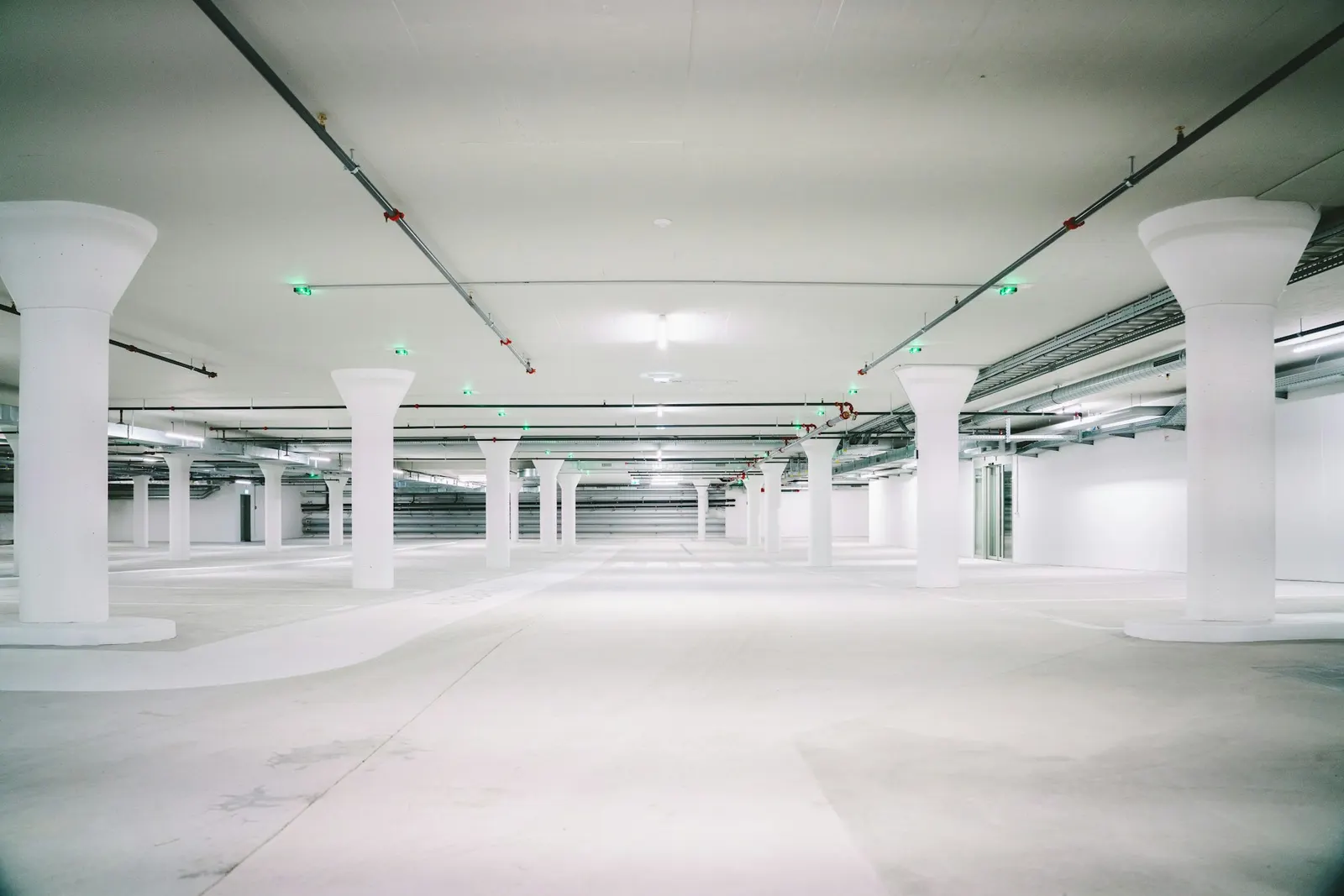
Parking follows the same pattern. Garages are often subterranean and shared, guest parking is frequently managed at the community level, and the rules come from whichever documents apply to your address. A neighbor two blocks away can be completely right about their home and completely wrong about yours.
Where the answer actually lives
Five documents settle it. Work through them in this order and you have a defensible answer rather than a belief.
- The preliminary title report and your vesting deed. If the space is part of your separate interest, the legal description will reference it. If it is exclusive use, the report will typically reference the recorded declaration that creates the right. I walked through what that report is doing in how title insurance works on a California sale.
- The recorded condominium plan. The drawing that defines the boundaries of each separate interest and labels the parking and storage areas. If a space carries an identifier on the plan and that identifier appears in your deed, the question is answered.
- The CC&Rs (the recorded covenants, conditions, and restrictions) and any exclusive use exhibit. Exclusive use rights are created here, usually in an exhibit tying a space number to a unit number. It also says who maintains the space and what the association may do inside it.
- The association's current assignment record, in writing. Ask management which spaces are assigned to your address today, and whether the assignment is revocable. A verbal confirmation from a front desk is not a record.
- The full disclosure package. Read the parking rules, the storage rules, and the minutes rather than filing them, using the method in how to read a California disclosure package.
When the documents disagree with the list, the recorded documents win. Put the conflict in front of escrow and the association while there is still time to fix it on paper.
Storage units, tandem spaces, and EV charging
Storage is the same question wearing different clothes. A storage cage or closet can be part of the separate interest, exclusive use common area, or an association assignment a future board can change. Owners routinely assume the cage they have used for nine years belongs to them. Sometimes it does, and the plan will say so.
Electric vehicle charging is where the distinction gets expensive. California law gives an owner in a common interest development the right to install a charging station in a space they own or hold for exclusive use, subject to conditions the association may impose, including approval, insurance, and responsibility for the cost and upkeep. In a space the association merely assigns, an owner has far less footing, because the right runs with the space rather than with the habit of parking there.
If a charger is already installed, treat it as its own disclosure item. Find out who paid for it, what the association approved in writing, who carries the maintenance obligation, and whether that approval transfers to a buyer.
What goes wrong when the paper and the practice disagree
The failure mode is quiet. A home sells with two spaces described in the listing, the buyer moves in, and a year later the association reassigns one of them because the record never granted it. Nobody lied. The listing repeated what the seller believed, and the seller believed what they had been doing for a decade.
Three places this lands in a transaction:
- The listing description. Describing parking a buyer cannot count on is a disclosure problem, not a marketing problem. Every descriptive claim in a listing is a claim somebody can rely on.
- The appraisal. Parking that is documented and parking that is informal are not the same feature, and the difference can move the comparison.
- The buyer's loan. When the documents and the contract describe different property, the file stalls at the worst possible moment.
All three are cheap to solve before a home goes live. The broader sequence is in what is different about selling a condo on the Westside.
How to confirm it for your own address
Four steps, and you only do this once. Write the answer into your property file when you are done, because it will not change.
- Pull your vesting deed and read the legal description. Look for a parking or storage identifier. If one appears, you own it as part of the separate interest.
- Locate the recorded condominium plan and the declaration. Escrow or a title officer can retrieve both. Match the identifier on the plan to the one in your deed or in the exclusive use exhibit.
- Get the assignment in writing from management. Ask for the space numbers currently assigned to your address, the storage assignment if there is one, and whether either is revocable. Keep the email.
- Reconcile the three before you price the home. If they agree, you can describe the feature plainly. If they do not, you have a title question to resolve now rather than a dispute to inherit later.
If you are buying, run the same steps during your contingency period. The general framework is in what to check before buying a Westside condo.
How I handle it
On a Playa Vista listing I confirm the parking and storage arrangement before the home goes live, not after an offer arrives. The title report, the condominium plan, and a written confirmation from management go into the file together, and the listing describes only what those three support.
It is a slower start and a quieter escrow. A buyer who can see the documentation stops negotiating against an unknown, and a seller stops being asked to prove something in the middle of a contingency period. That is the whole trade.
If you are weighing a sale or a purchase here and the parking line is one of the things you are unsure about, get in touch and we will work through your specific address. No pressure, just real answers.
Common questions
- Does a parking space automatically transfer when I sell my Playa Vista condo?
- Only if the documents attach it to your home. A space described in the recorded condominium plan and your deed transfers with the property. A space granted as exclusive use common area also passes to the buyer. A space the association simply assigns does not transfer as property, because the association keeps the authority to reassign it.
- How do I find out whether my parking space is deeded?
- Read the legal description on your vesting deed and compare it to the recorded condominium plan. If a parking identifier appears in both, the space is part of your separate interest. A title officer or escrow can retrieve the plan and the declaration for you.
- What is exclusive use common area?
- It is common area the association owns but has set aside for one home to use. Parking spaces, storage cages, balconies, and patios are often held this way. The right passes to the buyer with the home, and the CC&Rs say who maintains it and when the association may enter.
- Can the association take away my parking space?
- If the space is assigned rather than deeded or granted as exclusive use, the association generally can reassign it under its own rules. If the space is part of your separate interest or granted to your home in the recorded documents, it is not the association's to move. This is exactly why the distinction is worth confirming in writing.
- Does my storage unit follow the same rules as my parking space?
- Yes, and the answer can be different for each. A home can have a deeded parking space and an assigned storage cage, or the reverse. Check both against the plan, the declaration, and the association's written record rather than assuming they match.
- I want to install an EV charger. Does the type of space matter?
- It matters a great deal. California law gives owners a right to install a charging station in a space they own or hold for exclusive use, subject to conditions the association may impose. In a space the association only assigns, that footing is much weaker. Get the association's written approval and its conditions before you spend anything.