
Free guide for first-time buyers in Southwest Riverside County
The First-Time Buyer's Guide to Southwest Riverside County
A first home in Murrieta, Temecula or Menifee, with every cost in plain view.
Prefer a copy to keep or print? Download the PDF
Who this is for
You're thinking about buying your first home in Southwest Riverside County, in Murrieta, Temecula, Menifee or nearby. Maybe you rent here now, or maybe you're looking out from Los Angeles or Orange County because a first home there doesn't fit your numbers.
It covers five things. How to tell whether you're ready. The money nobody explains, including the costs that are specific to this region and the help programs written for first-time buyers. Where first-time buyers often begin out here, including new construction. Every step from approval to keys, in order. The mistakes first-time buyers make most.
It contains no market statistics, because a number written months ago and read today is worse than no number at all. Want to know how the four areas differ, or what to check before buying land? Those live in The Southwest Riverside County Home Buyer's Guide.

Are you ready to buy?
Ready isn't a feeling. It's four things you can check this week.
Income you can show. Lenders look at your work history and how your income is documented. Self-employed or paid on commission? It still works. It takes more paperwork, so start early.
Your credit. Pull your reports before a lender does, and fix errors now. Each loan program has its own minimum score, and a higher score usually means a better rate.
Savings beyond the down payment. You need money for the down payment, money for closing costs, and money left over after you move in. Spending every dollar to get the keys is how a first year gets stressful.
A monthly payment you can carry. Out here, that payment has more parts than most first-time buyers expect: the loan, property tax, insurance, and often special assessments and HOA dues. Pick the payment you're comfortable with, then work backward to the price.
That's why the first call is to a lender, not a listing. A lender I trust looks at all four with you, tells you what you qualify for, and shows you what to work on if you're not there yet.

The costs nobody explains
The down payment is often less than people think. Twenty percent down isn't a rule. FHA loans allow 3.5% down with a credit score of 580 or higher, and conventional loans allow as little as 3% down for qualified first-time buyers. Less down usually means mortgage insurance and a higher monthly payment, so the right amount is a choice you make with your lender.
Closing costs come on top of the down payment. Loan fees, title and escrow fees, and prepaid items like insurance and property tax. Within three business days of applying, your lender has to give you a Loan Estimate, a standard form that lists them. Read it line by line, and ask about anything that isn't clear.
Special assessments. Many newer communities here sit inside a Community Facilities District, or CFD. It's a special tax that pays off bonds for things like schools and parks. It's billed with your property tax, and it continues until those bonds are paid. Ask for the amount before you write an offer, and ask when it ends.
The tax bill that comes later. After you buy, Riverside County sends a supplemental tax bill that adjusts the old owner's assessment to your price. It goes to you, not your lender, and it can arrive up to a year after closing. Set money aside for it so it doesn't land as a surprise in your first year.
Insurance. Parts of the region sit in high or very high fire hazard severity zones. Get a homeowner's insurance quote during your inspection period, not after it ends.
Money in your account needs a paper trail. Lenders review your bank statements. A large deposit they can't trace, even a gift from family, can slow your loan down. Gifts are often allowed with a signed gift letter, so tell your lender before the money moves.
Help programs exist for first-time buyers. Most count you as a first-time buyer if you haven't owned a home in the last three years, even if you owned one before that.
- CalHFA, the State of California's housing finance agency, offers down payment help statewide through approved lenders.
- Riverside County's Housing and Workforce Solutions department runs down payment assistance for first-time buyers. Which cities it covers, and whether funds are open, can change from year to year.
Each program has income limits, and most require a homebuyer education class. Funding opens and closes during the year, so a lender I trust checks which ones fit you, and whether a specific home qualifies, before you make an offer.
Where first-time buyers often begin
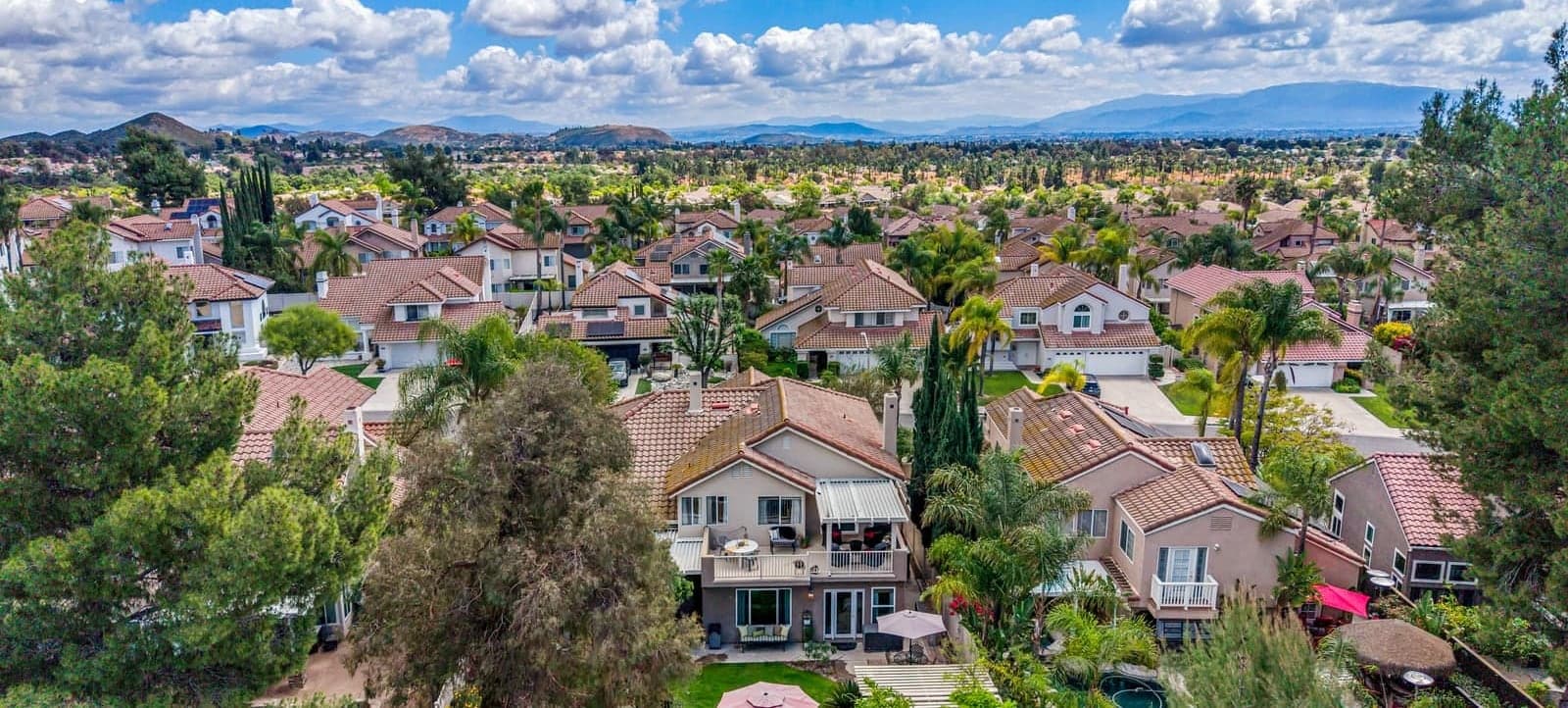
Much of the housing here is single-family homes in master-planned neighborhoods, so a first home out here can be a house rather than a condo. That's a real advantage. It also means a few things to check that a condo buyer never thinks about.
Compare the community, not only the house. Two homes at the same price can carry very different monthly payments, because one has special assessments and HOA dues and the other doesn't. A slightly higher price with lower monthly costs can be the easier home to own.
Read the HOA before you fall for the house. Ask for the dues, the reserves and the recent board minutes. The minutes are where you learn about the repair the owners are about to pay for.
New construction or resale. A new home comes with new systems and a builder's warranty. A resale home often comes with finished landscaping, window coverings and a neighborhood that's already settled. Neither is the better choice in general. Price both with the full monthly payment.
Drive the commute before you decide. The I-15 and I-215 split in Murrieta, and which side you live on matters more to a daily drive than the mileage does. Drive the route at the times you'd actually use it.
Think about who buys it from you. Most first homes get sold one day. A sensible layout, a usable yard and a reasonable monthly cost will appeal to the next buyer as well.
The amount you're approved for is a ceiling, not a target.
Before you visit a sales office
Call me before your first visit. Many builders ask that your agent be with you on your first visit to the sales office. If you walk in alone, you may lose the chance to have your own representation for that home. The sales office works for the builder.
Compare the builder's lender with your own. Builders sometimes offer an incentive if you use their preferred lender. That can be a good deal. Get a Loan Estimate from an independent lender too, and compare the two line by line before you decide.
Inspect a new home anyway. A home inspection on new construction is still worth it, before the drywall goes up if the builder allows it, and again before you close. Anything found goes on the builder's list while they're still on site.
Read what the base price includes. The model home usually shows upgrades. Ask for the list of what comes standard, and price the upgrades you actually want before you sign.

From approval to keys
- Talk with me and a lender. We set your budget from the monthly payment, and you get pre-approved, a lender's written review of your income, credit and savings.
- Sign a buyer agreement. Before we tour homes, you'll sign a written agreement that spells out what I do for you.
- Search and tour. We look at homes that fit your real numbers, and I point out what to check in each one, including the special assessments and HOA dues.
- Write the offer. Price, terms and timeline, structured to compete without stretching past your budget.
- Open escrow and send your deposit. Once your offer is accepted, a neutral escrow company holds the money and the paperwork, and you send your earnest money deposit.
- Inspect and review. The contract gives you a set number of days to inspect the home, read the disclosures and finish your loan. Get your insurance quote now too. Ask every question now.
- Appraisal and final loan approval. The lender's appraiser confirms the value, and your loan gets its final approval. Don't change jobs, open new credit or make big purchases during this stretch.
- Final walk-through and signing. You walk the home one more time, then sign your loan papers with a notary.
- Keys. The sale records with the County, and the home is yours.
Every one of these gets explained before it happens, not while it's happening to you.
First-time buyer mistakes
Touring homes before talking to a lender. It's the most common way to fall for a home you can't buy.
Comparing homes on price alone. Out here, special assessments and HOA dues can matter as much as the price. Compare the full monthly payment every time.
Walking into a sales office alone. Call me first, so you keep your own representation.
Forgetting the supplemental tax bill. It arrives after closing and goes to you, not your lender. Set money aside for it.
Emptying your savings to get in. Keep a cushion for repairs and for life. Your first year will find a reason to use it.
New credit during escrow. Wait on the furniture and the car until after you close. Your lender checks your credit again before the loan funds.
Treating your approval as a target. The amount you're approved for is a ceiling. The right number is the payment you can comfortably carry.
Buying your first home with me
My job as your buyer's agent at First Key Pacific, licensed under Keller Williams Premier Properties, is to make sure you understand every step before you take it. For a first-time buyer, that means no guessing.
You get an introduction to a lender I trust, a search built on your real numbers, and offers structured to compete without overpaying.
One next step. Before you look at a single listing or visit a single model home, let's talk, by phone or on Zoom. I'm here when you're ready. Call or text me at 310.708.7717, or get in touch here. The first-time buyers page covers the process as well.
Questions
Frequently Asked Questions
How much do I really need for a down payment?
Often less than 20%. FHA loans allow 3.5% down with a credit score of 580 or higher, and conventional loans allow as little as 3% down for qualified first-time buyers. Less down usually adds mortgage insurance and raises the monthly payment, so choose the amount with your lender.
Are there programs that help first-time buyers in Riverside County?
Yes. CalHFA offers down payment help statewide, and Riverside County's Housing and Workforce Solutions department runs its own down payment assistance. Each has income limits and limited funding, so a lender checks which ones fit you before you make an offer.
Do I need my own agent to buy a new construction home?
You don't have to have one, but the sales office works for the builder. Many builders ask that your agent be with you on your first visit, so call your agent before you go if you want your own representation.
What is a special assessment, and does it change my monthly payment?
A special assessment here is usually a special tax in a Community Facilities District that pays off bonds for things like schools and parks. It's billed with your property tax, so yes, it adds to what you pay each year until the bonds are paid. Ask for the amount and the end date before you write an offer.
Keep exploring
Ready to make your move with First Key Pacific?