Free guide for Southwest Riverside County buyers
The Southwest Riverside County Home Buyer's Guide
Buying in Murrieta, Temecula, Menifee or La Cresta, step by step.
Prefer a copy to keep or print? Download the PDF
Who this is for
You're thinking about buying a home in Southwest Riverside County. Maybe it's your first home, maybe your next one, or maybe you're coming from Los Angeles, Orange County or out of state because you want more space.
This covers five things. How the four main areas differ. The monthly costs that are specific to this region. What to check before you buy land or a rural property. Help for first-time buyers. Every step from approval to keys, in order.
It contains no market statistics, because a number written months ago and read today is worse than no number at all. What it contains is what to check, and why.
Buying your first home? The First-Time Buyer's Guide to Southwest Riverside County walks through it in more detail.
Four places, four different purchases
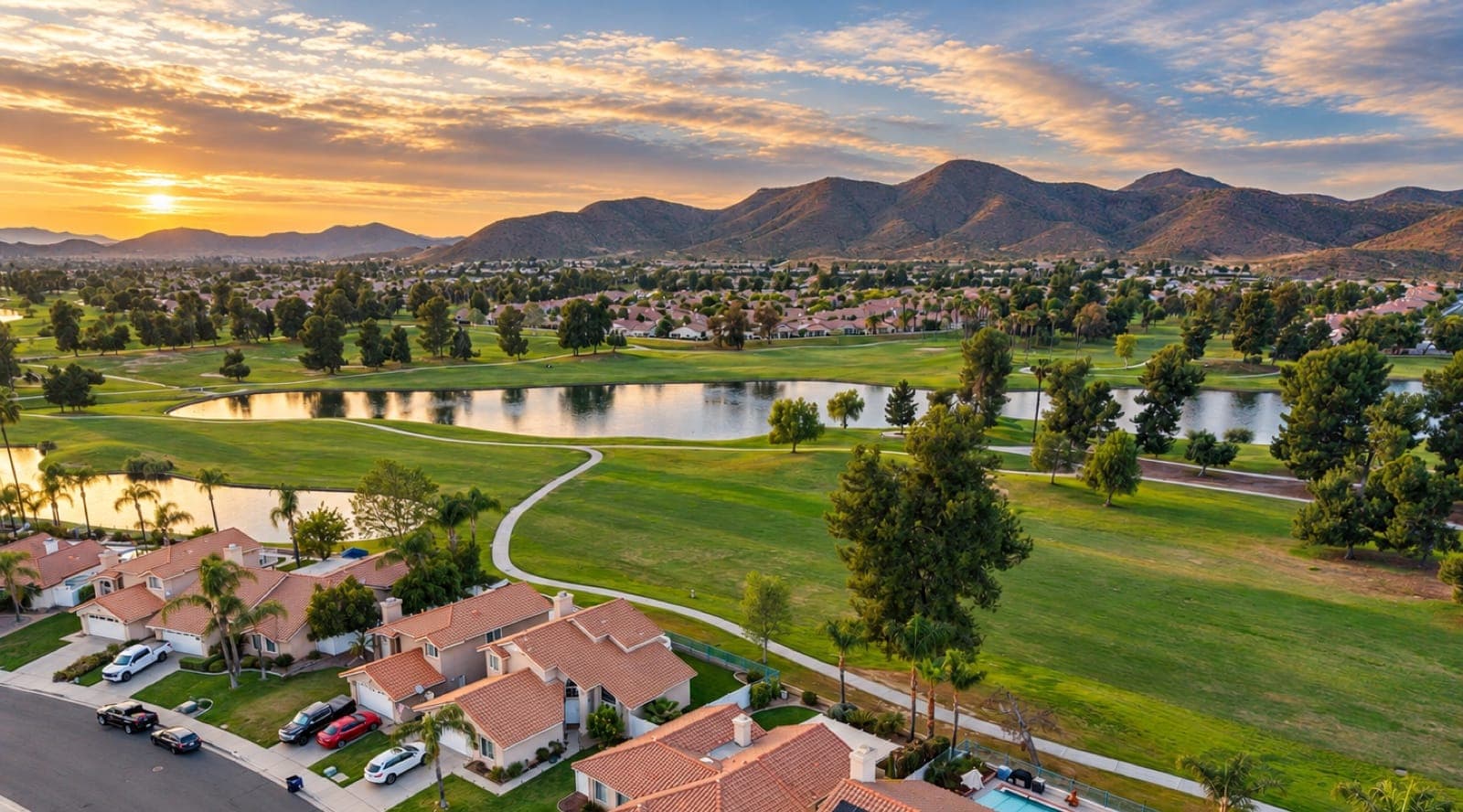
Murrieta is mostly master-planned neighborhoods built from the 1990s on, with larger lots and more square footage than the coast. The I-15 and I-215 split here, and which side you live on matters more to a daily drive than the mileage does.
Temecula runs from older homes near Old Town to newer development to the east and south, with the Temecula Valley wine country beyond the city. The wine country itself is unincorporated Riverside County, not the City of Temecula, and it has its own land-use rules. More on that below.
Menifee is heavily newer construction along the I-215, and generally the most house per dollar of the group. Parts of the city include age-restricted communities with their own rules.
La Cresta is large-acreage, semi-rural property on the Santa Rosa Plateau west of Murrieta, with custom homes and a strong equestrian presence. It's land first and house second.
Murrieta Valley Unified and Temecula Valley Unified serve most of their cities. Confirm the school assignment by address, never by neighborhood name.

The full monthly payment, not the price
Out here, two homes at the same price can carry very different monthly payments. Four things cause most of the difference.
Special assessments. Many newer communities sit inside a Community Facilities District, or CFD. It's a special tax that pays off bonds for things like schools and parks. It's billed with your property tax, and it continues until those bonds are paid. The seller has to give you a notice of it. Ask for the amount before you write an offer, and ask when it ends.
HOA dues. Many master-planned communities have an HOA. Ask for the dues, the reserves and the recent board minutes. The minutes are where you learn about the repair the owners are about to pay for.
Property tax, and the bill that comes later. California's base property tax is 1% of your purchase price, plus any taxes local voters approved. After you buy, Riverside County sends a supplemental tax bill that adjusts the old owner's assessment to your price. It goes to you, not your lender, and it can arrive up to a year after closing. Set money aside for it.
Insurance. Parts of the region sit in high or very high fire hazard severity zones. Get a homeowner's insurance quote during your inspection period, not after it ends.
Add it all together: the loan, property tax, special assessments, HOA dues and insurance. That's the number that decides what you can afford, and it's the number we compare from home to home.
Buying acreage or a rural property
Buying acreage in La Cresta or the wine country is a different purchase from buying in a tract, with more to check.
Septic. Rural homes are often on septic rather than a sewer. Have the system inspected by a registered service provider during your inspection period.
Water. Find out where the water comes from, a water district or a private well. If it's a well, test the water and ask for the pump's history.
What the land can be used for. Riverside County's Temecula Valley Wine Country Community Plan divides the wine country into Winery, Equestrian and Residential districts, each with its own rules and minimum lot sizes. If you want to plant vines, open a tasting room, keep horses or split the land, confirm it with the county before you write the offer, not after.
Fire safety. In a high or very high fire hazard zone, the seller has to provide defensible space documentation, or you agree to get it within a year of closing. Know which one you're signing up for.
The next buyer. Acreage has a smaller, more specific pool of buyers than a tract home. That isn't a reason to skip it. It's a reason to choose land that will appeal to the next person who wants the same life you do.
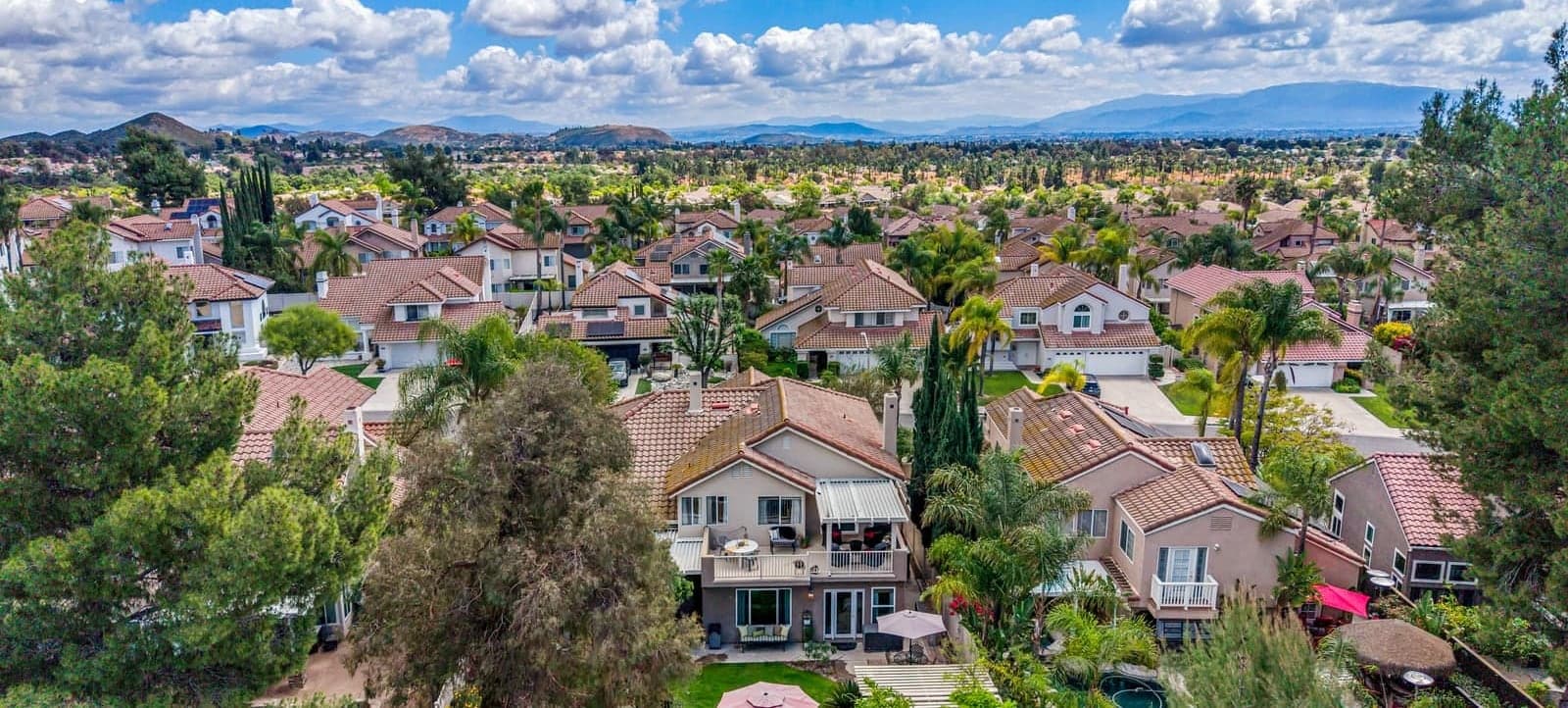
Two homes at the same price can carry very different monthly payments.
The money nobody explains
The down payment is often less than people think. Twenty percent down isn't a rule. FHA loans allow 3.5% down with a credit score of 580 or higher, and conventional loans allow as little as 3% down for qualified first-time buyers. Less down usually means mortgage insurance and a higher monthly payment, so the right amount is a choice you make with your lender.
Closing costs come on top of the down payment. Within three business days of applying, your lender has to give you a Loan Estimate, a standard form that lists them. Read it line by line.
Help programs exist. Most count you as a first-time buyer if you haven't owned a home in the last three years, even if you owned one before that.
- CalHFA, the State of California's housing finance agency, offers down payment help statewide through approved lenders.
- Riverside County's Housing and Workforce Solutions department runs down payment assistance for first-time buyers. Which cities it covers, and whether funds are open, can change from year to year.
Each program has income limits, and most require a homebuyer education class. Funding opens and closes during the year, so a lender I trust checks which ones fit you, and whether a specific home qualifies, before you make an offer.
Compare the community, not only the house. In a newer neighborhood, special assessments and HOA dues can matter as much as the price. A slightly higher price with lower monthly costs can be the easier home to own.
From approval to keys
- Talk with me and a lender. We set your budget from the monthly payment, and you get pre-approved, a lender's written review of your income, credit and savings.
- Sign a buyer agreement. Before we tour homes, you'll sign a written agreement that spells out what I do for you.
- Search and tour. We look at homes that fit your real numbers, and I point out what to check in each one.
- Write the offer. Price, terms and timeline, structured to compete without stretching past your budget.
- Open escrow and send your deposit. Once your offer is accepted, a neutral escrow company holds the money and the paperwork, and you send your earnest money deposit.
- Inspect and review. The contract gives you a set number of days to inspect the home, read the disclosures and finish your loan. On rural property, that includes septic and water.
- Appraisal and final loan approval. The lender's appraiser confirms the value, and your loan gets its final approval. Don't change jobs, open new credit or make big purchases during this stretch.
- Final walk-through and signing. You walk the home one more time, then sign your loan papers with a notary.
- Keys. The sale records with the County, and the home is yours.
Buying new construction? Many builders ask that your agent be with you on your first visit to the sales office. Call me before you go, so you keep your own representation.
Buying with me
My job as your buyer's agent at First Key Pacific, licensed under Keller Williams Premier Properties, is to make sure you understand every step before you take it. You get an introduction to a lender I trust, a search built on your real numbers, and offers structured to compete without overpaying.
Moving out from the Westside? Selling there and buying here is two transactions in two counties, and I handle both ends, so you aren't coordinating two agents.
One next step. Before you look at a single listing, let's talk, by phone or on Zoom. I'm here when you're ready. Call or text me at 310.708.7717, or get in touch here.
Questions
Frequently Asked Questions
What is a special assessment, and how do I find out the amount?
A special assessment here is usually a special tax in a Community Facilities District that pays off bonds for things like schools and parks. It's billed with the property tax and lasts until the bonds are paid. The seller has to give you a notice of it, so ask for the amount and the end date before you write an offer.
Is Temecula wine country part of the City of Temecula?
No. The wine country around the city is unincorporated Riverside County. The county's Temecula Valley Wine Country Community Plan sets the rules there for wineries, horses and homes, including minimum lot sizes.
What is the supplemental tax bill?
After you buy, Riverside County reassesses the home at your purchase price and sends a supplemental bill for the difference. It's mailed to you, not your lender, and it can arrive up to a year after closing, so set money aside for it.
Are there programs that help first-time buyers in Riverside County?
Yes. CalHFA offers down payment help statewide, and Riverside County's Housing and Workforce Solutions department runs its own down payment assistance. Each has income limits and limited funding, so a lender checks which ones fit you before you make an offer.
Keep exploring
Ready to make your move with First Key Pacific?