2026-08-04 · 5 min read · Playa del Rey
Selling Your Westside LA Home With Pets During a Life Transition
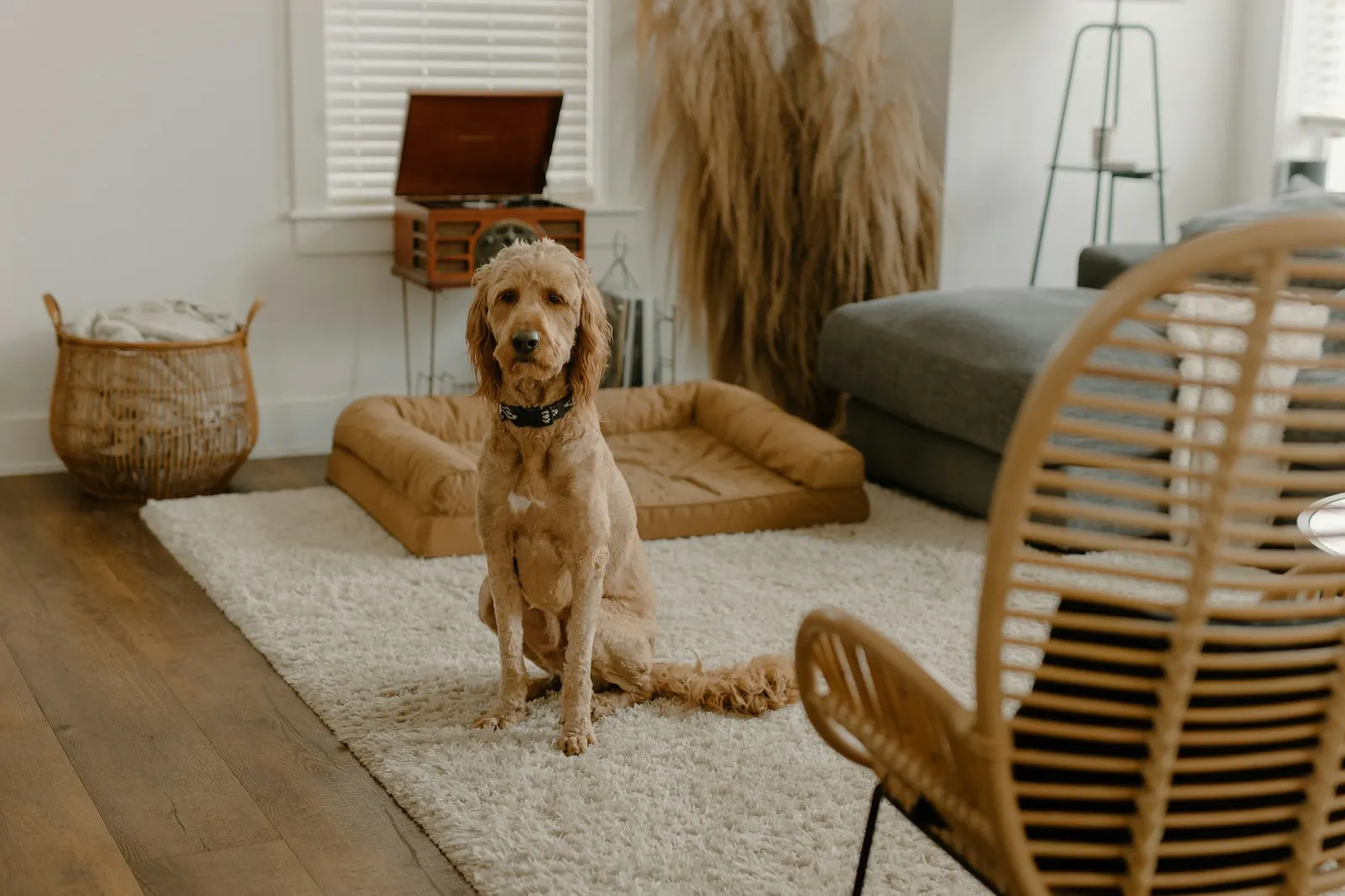
What selling here actually involves
Yes, you can sell your Westside Los Angeles home while a pet is still living there. The key is to create a simple plan for the animal, the property, and each showing before the home goes live. That plan should protect the pet's routine, reduce odors and visible wear, and make it easy for your agent to give buyers a comfortable visit.
A life transition already brings enough decisions. You should not have to improvise every time someone wants to see the house. I start by asking what the pet needs, what the home needs, and who will handle each task. From there, we build a showing routine that fits the household rather than pretending the pet is not part of it.

Start with the pet's safety plan
Before photography or showings, decide where the pet will be during each visit. A dog may go with a trusted friend, family member, dog walker, or boarding provider. A cat may be more comfortable in a secured room, provided that the room is safe, clearly closed, and not part of the buyer route. Small animals need their own plan as well.
Do not rely on a buyer to leave a gate, door, or side entrance exactly as they found it. Pets can slip through openings, and some visitors may be nervous around animals. Tell your agent about the pet's habits, triggers, medications, and escape risks. Put the instructions in writing so every person helping with the sale receives the same information.
If the sale follows an inheritance, move, divorce, or another major change, the person who used to manage the pet may no longer be available. Assign one named person to handle feeding, transport, medication, and return after a showing. A written schedule can prevent a small missed task from becoming a serious problem.
Prepare the home without hiding its history
Pet ownership is not a reason to cover up a condition that should be disclosed. If there has been damage, an unusual odor, a leak, or another property issue, discuss it with your agent and the appropriate licensed professional. California disclosure obligations can be specific, so use the California seller disclosure guide as a starting point and seek legal advice when your situation requires it.
Preparation usually starts with a careful cleaning. Wash bedding, soft toys, washable rugs, and removable covers. Vacuum corners, stairs, upholstery, and areas beneath furniture. Clean litter boxes and feeding areas. Repair scratches, damaged screens, loose gates, and worn flooring when the repair makes sense for the overall launch plan. Keep receipts and records for work completed.
Remove excess pet supplies from the rooms buyers need to understand. One orderly feeding station is easier to live with than bowls, bags, toys, and cleaning products spread through several spaces. Store those items in a contained area that can be reset quickly. The goal is not to erase daily life. It is to help buyers see the home's layout and condition.
Build a showing routine that can actually work
Ask for reasonable notice when possible, and decide which times are easiest for the pet and the people caring for it. A consistent routine helps you reset the home without rushing. Keep a small departure checklist near the exit:
- Pet is out of the home or secured in the agreed location.
- Food, medication, and waste have been put away.
- Gates, windows, and exterior doors are secure.
- Lights are on and blinds are set as planned.
- Any pet instructions are visible to the agent but not left where a visitor can take them.
Let your agent know whether a pet will be present. Some buyers have allergies, fear, or other concerns, and advance notice gives everyone a better experience. If the animal must remain in the home, the showing plan should keep visitors and the pet separated. Never leave an unfamiliar visitor alone with an animal.
When the home is vacant between showings, arrange for a check of water, temperature, doors, and the pet's condition. If a vendor needs access, that person should know the pet plan before arriving. Concierge coordination matters here because the cleaner, photographer, repair provider, and showing agent all affect the same routine.
Manage photography, staging, and launch day
Photography requires a little more preparation than an ordinary showing. Remove the pet from the frame unless the image is intentionally about the lifestyle of the property. Hide litter boxes, crates, food containers, and bulky equipment when practical. Check mirrors and reflective surfaces for bowls, leashes, and other items that may distract from the room.
If the pet has a favorite room, do not assume that room can be closed indefinitely. Talk through the plan with me, since I handle staging myself. A pet bed can be temporarily moved for photos and returned afterward. If furniture must be rearranged, leave the pet a familiar resting place somewhere safe.
For a listing launch, use the same reset process every time. I coordinate the people involved and keep communication direct, so you know who is coming, what needs to happen, and when the pet can return. I stay reachable when a detail changes. That is especially useful when the seller is handling a move, family responsibilities, or a home that holds many years of belongings. If you are still sorting those belongings, this guide to clearing a long-held home before selling can help you divide the work into manageable categories.
Plan for the contract-to-close period
Pet logistics do not end when an offer is accepted. Inspections, appraisal visits, repairs, final walkthroughs, and vendor appointments may continue. Keep the same safety plan in place until possession transfers. Ask your agent for a written schedule when several visits are expected close together.
Some pets react to strangers, noise, open doors, or changes in furniture. If the animal is distressed, speak with a veterinarian or qualified animal-care professional about safe options. Your real estate agent can organize access, but should not give medical or behavioral advice. For the transaction itself, keep documents and questions organized; the seller document checklist is a useful place to begin.
Before closing, remove all pet belongings that are not included in the sale. Clean the areas the pet used, complete agreed repairs, and confirm that keys, remotes, and access instructions are ready. If a buyer is taking over an outdoor feature or appliance used by the pet, document what is included in the contract rather than relying on a hallway conversation.
What a good agent should handle
Your agent should help create the showing plan, communicate pet-related access instructions, coordinate vendors, and keep you informed when the plan changes. That does not mean promising that every buyer will be comfortable with a pet or that every property needs the same preparation. It means treating the animal and the home as part of the real transaction.
You should also receive a clear process for offer acceptance and the next visits that follow. This guide to what happens after accepting an offer explains the broader sequence, while your agent can adapt access around your pet's needs.
If you are selling during a difficult transition, start with one conversation about the home's condition, the pet's routine, and the support available to you. I can help you map the vendors, access, and decisions before the listing launches. No pressure, just real answers.
Working with me
Every Playa del Rey sale I take on starts the same way: I see the house, then we talk numbers. Not the other way around. If that is the order you would rather work in, get in touch and I will come and look. First Key Pacific handles the rest from there.
Common questions
- Should my pet leave the home for every showing?
- Whenever practical, yes. Removing the pet reduces escape risks and gives buyers a more comfortable visit. If that is not possible, use a secure, separate area and tell the agent in advance.
- Do I have to disclose pet damage when selling in California?
- A property condition may need to be disclosed depending on the facts. Discuss suspected damage or related conditions with your agent and the appropriate licensed legal professional.
- How should I prepare for listing photos with a pet at home?
- Wash soft items, clean pet areas, repair visible damage, and temporarily store supplies that distract from the rooms. Keep the pet safe and comfortable while photos are taken.
- What happens to the pet plan after accepting an offer?
- Continue it through inspections, appraisal, repairs, final walkthrough, and closing. Your agent can coordinate access so the routine remains predictable.