2026-07-04 · 5 min read · Marina del Rey
What to Know About Buying a Condo in Westside Los Angeles
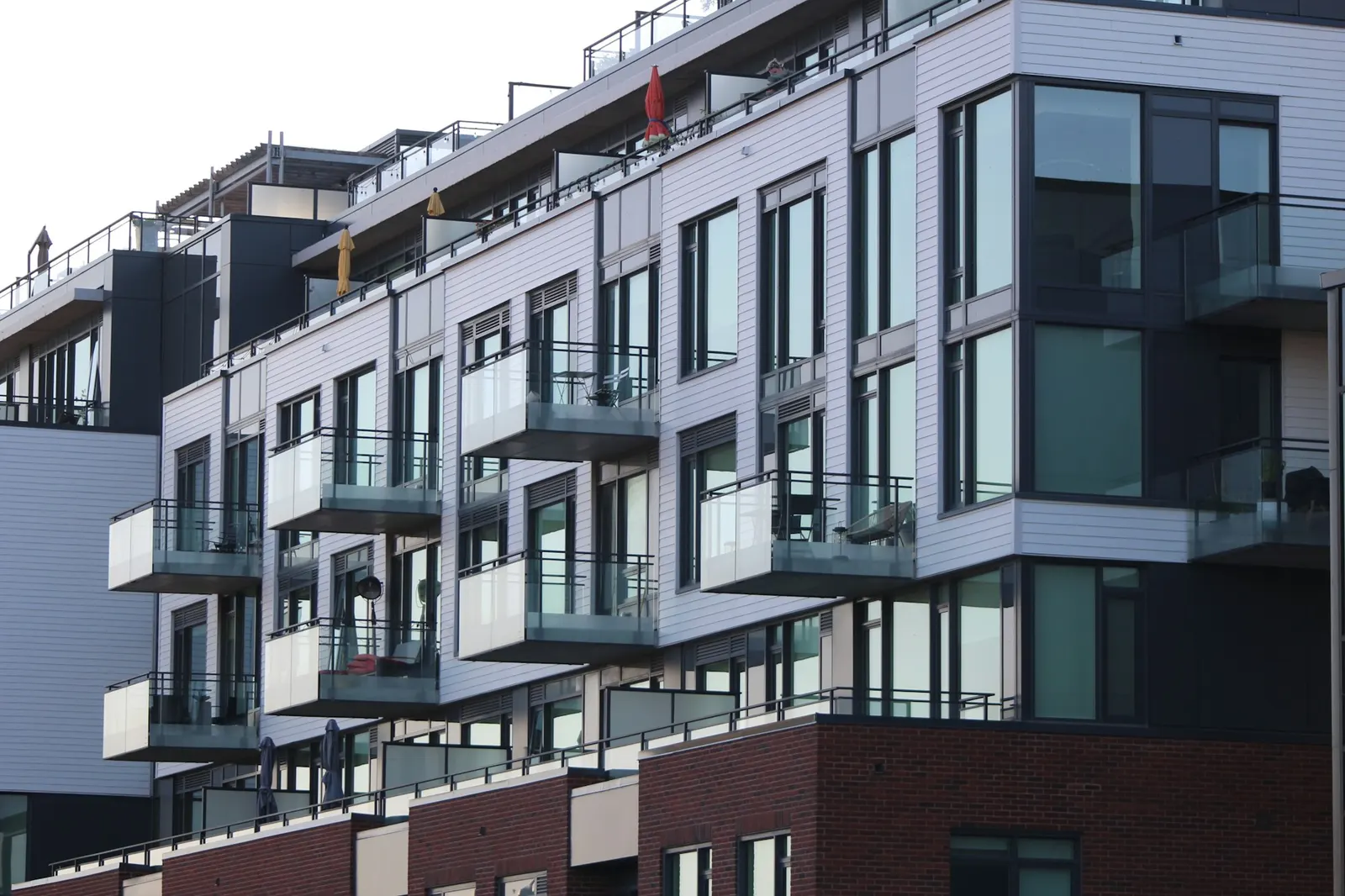
The part buyers find out late
Buying a condo on the Westside is different from buying a house, and most buyers do not find out how different until they are already in escrow. The inspection on the unit looks clean. The building looks fine from the outside. Then the HOA documents arrive and there is a lot to read.
This guide covers what I go through with every buyer who is serious about a condo or townhome in Westside Los Angeles.
You are buying the unit and a share of the building
A condo purchase has two layers. First, the unit itself: the walls, floors, cabinets, appliances, and any private outdoor space. Second, the building: the roof, the elevators, the parking structure, the plumbing and electrical in the common areas, the lobby, and everything else you share with the other owners.
The unit you can inspect thoroughly. The building's health comes through the HOA documents and financials, which you have a right to review before you close. In California, that review window is set by your purchase contract, and it matters.
What the HOA covers and what it costs
The homeowners association collects monthly dues and uses them to maintain the building, carry common-area insurance, and fund a reserve account for future capital expenses. What the HOA covers varies: some include water and trash, some cover exterior maintenance and a gym, some include very little. Understand exactly what you are paying for before you commit.
Beyond the monthly dues, watch for special assessments. These are one-time charges levied on all owners when the HOA needs funds beyond what the reserves hold, often for a roof replacement, an elevator overhaul, or structural repair work. Ask whether any special assessments are planned or pending before you close.
Read the reserve study
A reserve study is a professional assessment of the building's major components, their expected life spans, and how much money the HOA should have set aside for future replacements. A well-funded reserve means the building has been planned for. An underfunded reserve is a yellow flag: it means future assessments are more likely when something breaks.
California law requires condo associations to prepare a reserve study and share a summary with owners, and you can review it during your inspection period. I go through this document with buyers and flag what matters.
Review the CC&Rs before you fall for the unit
The CC&Rs, short for Covenants, Conditions, and Restrictions, are the rules governing the building and every owner in it. They cover things that directly affect your daily life: whether you can have pets and what kind, whether you can rent the unit out and under what conditions, parking rules, storage, noise, and any other restrictions the association has put in place.
Buyers sometimes discover after closing that the building does not allow their dog, or that short-term rentals are prohibited in a building they were planning to rent part-time. Read the CC&Rs during your inspection period, before you remove contingencies.
Check whether the building is FHA or VA approved
If you are using FHA or VA financing, the building itself must be approved by the relevant agency, not just the unit. Not every condo building qualifies. If a building has a high percentage of investor-owned units, pending litigation, or certain financial characteristics, it may not meet approval requirements. Check this early, because discovering it mid-escrow costs time and may cost you the contract.
The floor, the view, and the orientation make all the difference
In a condo building, two units with identical floor plans can be worth very different amounts based on the floor, the direction they face, the view, and whether they are corner units. These factors also affect your future resale and how easy the home is to market. I look at comparable sales in the same building and the same tier, not just the zip code, when evaluating whether an asking price makes sense.
For waterfront and harbor-view buildings in Marina del Rey, and the newer amenity-rich buildings in Playa Vista, this analysis is especially important. The Marina del Rey neighborhood guide and the Playa Vista guide give a feel for those markets.
Get the financials, not just the marketing materials
Ask for the HOA's most recent financial statements: the income statement and the balance sheet. A healthy building shows dues income covering operating costs and a reserve account being funded appropriately. If the reserves are very low relative to the age and condition of the building, ask why.
Also ask about litigation. A building in an active lawsuit with the developer or a contractor can affect your ability to get financing and your ability to sell later. This comes up in the HOA documents during your inspection period.
Condo buying is worth the extra homework
A well-chosen condo in the right Westside building is a strong purchase and a genuinely low-maintenance way to live close to the water or the amenities you want. The homework is worth doing up front, not scrambling through at the last minute. For the full process of buying on the Westside, see the guide to buying a home in Westside Los Angeles. And when you are ready to write an offer, read how to win a competitive offer.
Work with an agent who's here when you're ready
Buying a condo is not harder than buying a house. It is just different, and the differences show up in the documents. I go through those documents with you and tell you what I see. You should understand what you are buying before you commit. No pressure, just real answers.
If you want to talk through a specific building or start a search, book a consultation and we will map out your options together.
The next step
Knowing which house is a good idea and which is not is the whole job. That is what I do for buyers in Marina del Rey at First Key Pacific. When you are ready to start, send me a note.
Common questions
- What is an HOA and do all condos in Westside Los Angeles have one?
- A homeowners association manages the shared parts of a condo building: maintenance, insurance, and a reserve fund for future repairs. Almost all condos have one. Monthly dues and what they cover vary widely by building, so review the specifics before you commit.
- What is a special assessment and should I be concerned?
- A special assessment is a one-time charge levied on all owners when the HOA needs funds beyond what the reserve account holds. A building with a well-funded reserve is less likely to need them. During your inspection period, ask whether any special assessments are planned or pending before you close.
- How do I know if a condo building is in good financial shape?
- Request the HOA financial statements and the reserve study. A reserve study shows whether the building is adequately funded for future capital expenses. Look for dues income covering operating costs and reserves that reflect the building's age and condition.
- Can I get FHA financing on a Westside Los Angeles condo?
- Only if the specific building is FHA-approved. Not all buildings qualify, depending on the percentage of investor-owned units, pending litigation, and other financial factors. Check this before you write a contract if you are using FHA financing.
- What should I look for in the CC&Rs?
- Rules that affect your daily life: whether pets are allowed and what kind, whether you can rent the unit and under what conditions, parking and storage rules, and any other restrictions. Read them during your inspection period, before you remove contingencies.