2026-06-27 · 5 min read · Playa del Rey
How to Read a California Real Estate Disclosure Package When You're Buying
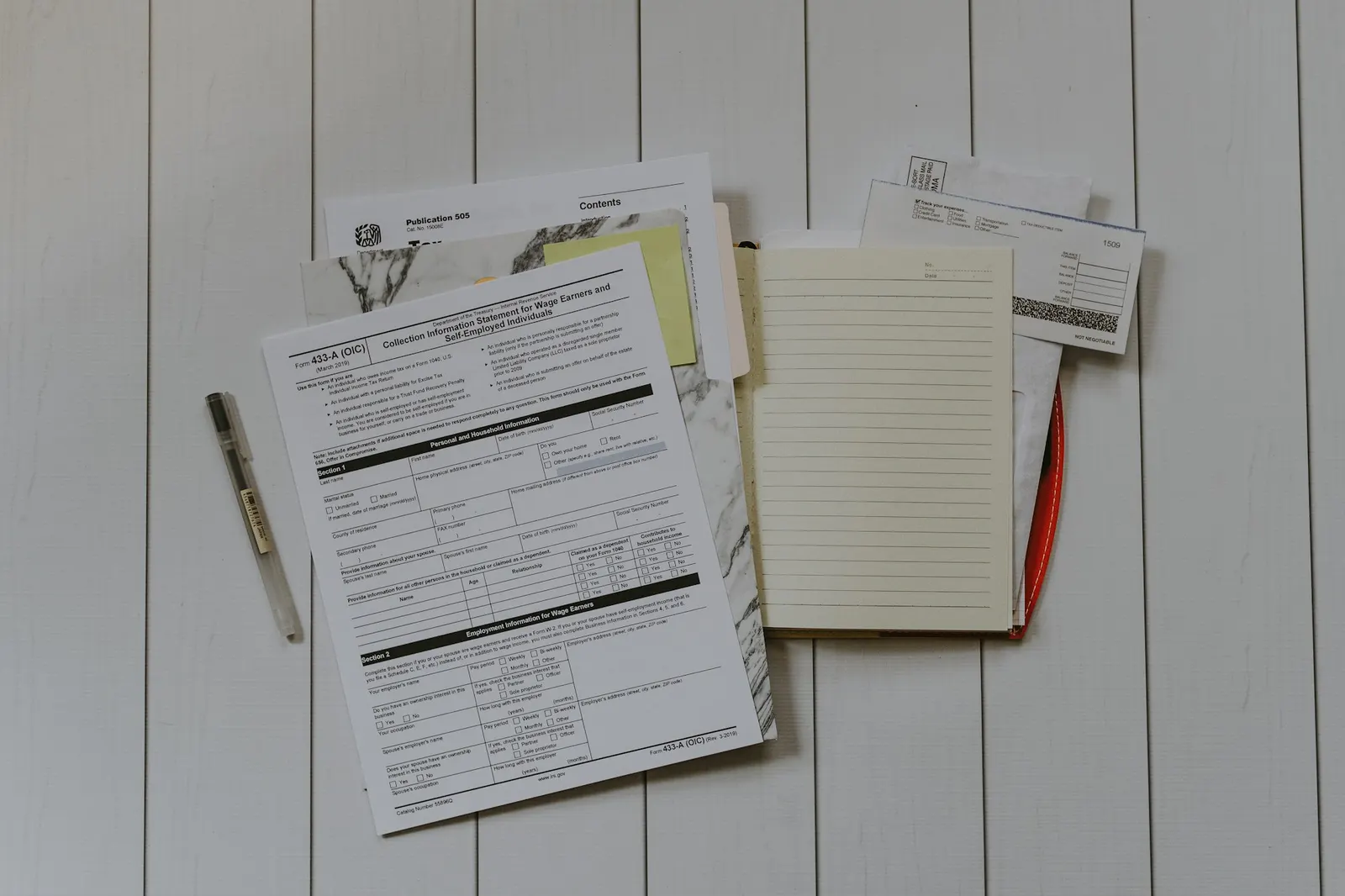
Where this starts
When you're buying a home in California, the seller is required by law to hand you a stack of documents before you close. These are the disclosures. Most buyers flip through them quickly, feel vaguely alarmed, and ask their agent whether everything is fine. This guide gives you a clearer picture of what you're actually reading and what's worth flagging.
Understanding disclosures doesn't mean you need a law degree. It means knowing which documents are standard, what the meaningful flags look like, and what to bring to me for a real conversation.
What California requires sellers to disclose
California has some of the most extensive real estate disclosure requirements in the country. The seller isn't just selling you the property. They're representing to you, in writing, everything they know about its condition, history, and any material facts that could affect your decision.
The core documents are the Transfer Disclosure Statement, the Seller Property Questionnaire, natural hazard disclosures, and the preliminary title report. If the property is in an HOA, add the governing documents, financials, and meeting minutes. Each one tells you something different.
The Transfer Disclosure Statement
The TDS is the seller's written statement of everything they know about the physical condition of the property. It covers the structure, the systems, known defects, improvements made during ownership, and whether permits were pulled for that work.
Pay attention to anything the seller marks as a known defect. The age of the roof, the HVAC system, and the water heater should all be listed. If the seller says they don't know about something a long-term owner would typically know, that's a prompt to ask more questions or look more carefully during the inspection. It doesn't mean there's a problem, but it's worth following up.
Unpermitted work is one of the most common issues that shows up in the TDS. If a previous owner added a room, converted a garage, or put in a deck without permits, California sellers are supposed to disclose it. If you see it, read what unpermitted work means for buyers and sellers in Westside LA before deciding how to respond.
The Seller Property Questionnaire
The SPQ goes deeper than the TDS. It asks specific questions about the property's history: has there been a fire, flooding, or water intrusion? Any mold remediation? Pest damage or pest treatment? Any disputes with neighbors about the property? Any lawsuits involving the property?
The SPQ is where you often find the history of the home that doesn't show up in photos. If a seller answers yes to anything, you want to know what happened and whether it was resolved. The question isn't whether something happened. Homes have histories. The question is whether the problem was actually fixed and how.
Natural hazard disclosures
California law requires sellers to disclose whether the property falls within specific natural hazard zones. A third-party company typically prepares this report, and it covers flood zones, fire hazard severity zones, earthquake fault zones, and seismic hazard zones, among others.
Westside LA properties can fall into any of these categories. A property near the bluffs in Playa del Rey may be in a seismic zone. A property in a canyon area might be in a fire hazard zone, which directly affects your insurance options and costs. Read the natural hazard report carefully. If your property is in a high fire hazard zone, call your insurance broker before you remove your inspection contingency. The homeowners insurance market in California has changed significantly, and coverage in high-risk zones can be hard to get. This article covers what Westside buyers need to know about homeowners insurance in California.
The preliminary title report
The prelim shows the current state of ownership and all recorded liens and encumbrances on the property. In plain terms: it tells you if there are any problems with who actually owns what you're buying.
Common items in a prelim include existing mortgages, property tax liens, HOA liens, mechanic's liens from unpaid contractors, and easements on the property. Most of what you see is standard. Existing mortgages and tax obligations clear at closing. Easements, especially utility easements, are often permanent.
What you're looking for: any lien that isn't expected to be paid off at closing, any easement that limits how you can use the property, and any indication that ownership is contested or unclear. Your title company will walk you through this, but reading it first helps you know what questions to ask.
HOA documents, if applicable
If you're buying a condo or a home in an HOA, you'll receive a separate package of HOA documents. These include the governing documents, the current budget and financial statements, recent meeting minutes, and any pending litigation or special assessments.
Special assessments are the most important thing to check. A special assessment means the HOA has voted to charge all owners an additional fee, usually for a major repair or capital project. If the building needs a new roof or major work, and the reserves don't cover it, you may inherit that obligation after closing. If there's a pending or recently passed special assessment, ask how much, when it's due, and whether the seller is paying it or passing it to you. That's a negotiating point.
What to bring to me after reading
After reading through the package, make a list of anything that prompted a question. You don't need to resolve every item yourself. You need to know which ones require more information before you're comfortable moving forward.
I will tell you which items are routine and which are worth following up on. If the disclosures show something you want addressed in writing, repairs can sometimes be requested as part of the inspection contingency. Not everything in the disclosures is negotiable, but it's always worth asking. For more on that process, this guide covers negotiating repairs after a home inspection in California.
If you have questions about a specific disclosure package on a Westside LA property, reach out. I'm happy to walk through it with you. No pressure, just real answers.
What happens next
The buyers who do well in Playa del Rey are the ones who understood the ground before they started touring. If you want that briefing before you look at anything, let me know. First Key Pacific starts every buyer the same way.
Common questions
- How long do I have to review the disclosure package in California?
- The review window is set by your purchase agreement. Under the standard California Residential Purchase Agreement, buyers typically have 17 days for investigations and contingencies, and disclosures are part of that window. Check your specific contract for the deadline and don't let it pass without reading the documents.
- What is the most important document in a California disclosure package?
- The Transfer Disclosure Statement covers the most ground. It's the seller's signed representation of everything they know about the property's physical condition. The Seller Property Questionnaire adds historical detail, especially around water intrusion, pest issues, and disputes. For condos and HOA properties, the financial statements and special assessment records matter just as much.
- If the seller disclosed a problem, can I use that to negotiate the price?
- Sometimes yes. Disclosed issues can be addressed through a repair request, a price reduction request, or a credit at closing. Not every disclosed issue is negotiable, and some are already priced into the listing. I can tell you which ones are worth pushing on and the best way to frame the request.
- What happens if the seller didn't disclose something they knew about?
- California law imposes significant liability on sellers who knowingly fail to disclose material defects. If you discover after closing that the seller was aware of a problem and didn't disclose it, you may have legal recourse. This is one reason to get your own independent inspection, even when disclosures look clean.
- Do I need to read every page of the disclosure package?
- Yes, but focus first on the Transfer Disclosure Statement, the Seller Property Questionnaire, and the natural hazard report. These are where most meaningful information lives. The preliminary title report and HOA documents are important but typically require less attention if there are no flags. I walk through the highlights with you before your contingency deadline.