2026-11-10 · 6 min read · Playa del Rey
Should I Buy a Playa del Rey Condo Built in the 1970s, and What Usually Needs Replacing by Now?
The short answer
Yes, you can buy a 1970s Playa del Rey condo with confidence, as long as you go in knowing that a building this age has had about fifty years to wear things out. Some of those things have probably been replaced already. Some haven't. Your job before you make an offer is to find out which is which, and who pays when the rest come due.
That second part matters more than most buyers expect. In a condo, the big items like the roof, the shared plumbing and the balconies usually belong to the homeowners association, not to you. So the questions are really two: what condition is your unit in, and what condition is the building in? A clean unit inside a tired building can still cost you money later through a special assessment.
This is a different question from salt air near the beach. That article covers corrosion and what inspectors notice by the water. This one is about the age of the building itself.
What has often worn out by now
Every building is different, and a well-run association may have already replaced much of this. Still, these are the systems worth asking about in any condo built in the 1970s:
- The roof. Ask when it was last replaced, not just repaired, and whether the association has a plan for the next one.
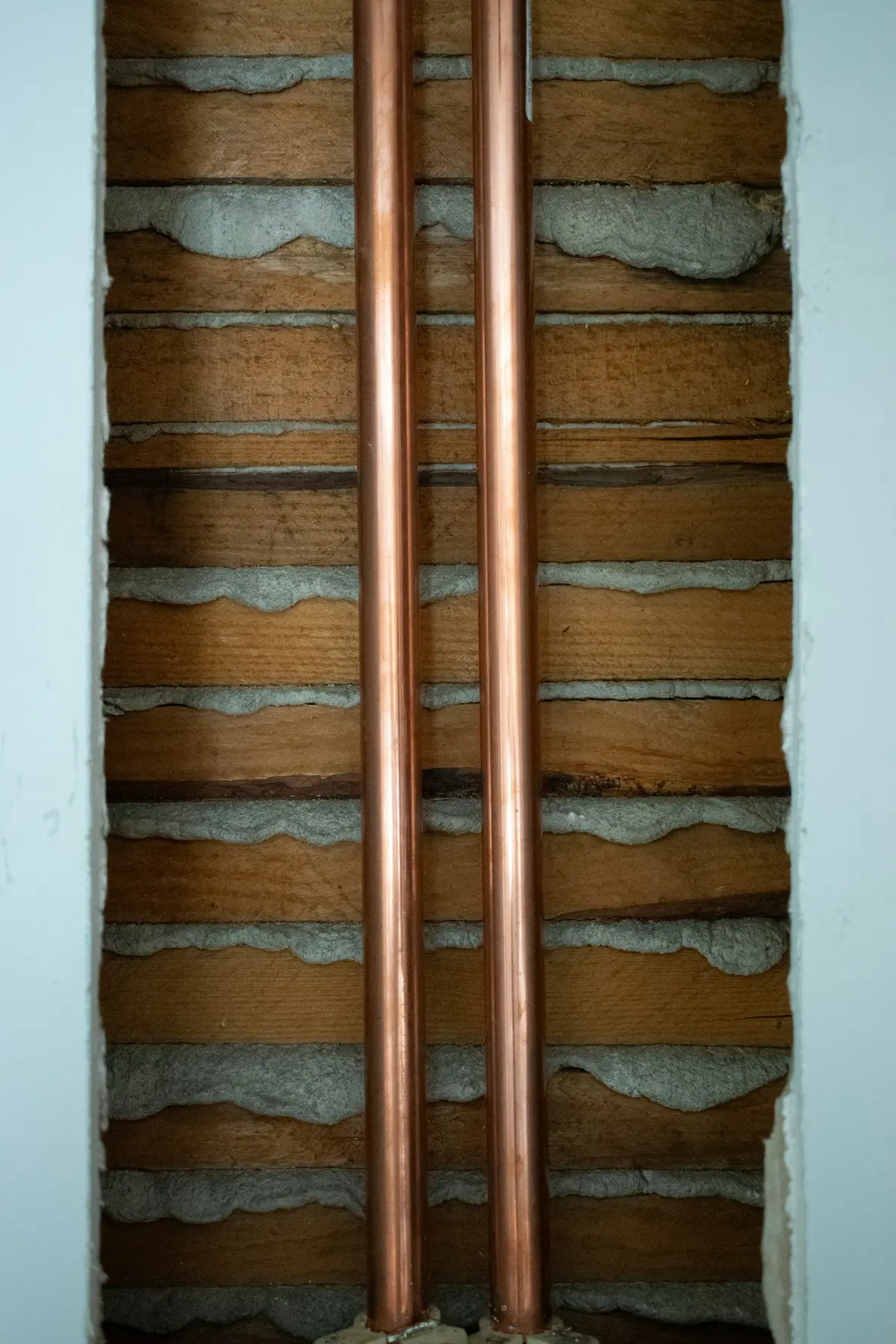
- Water supply and drain lines. Ask whether the building has been repiped and whether the main drain lines have ever been scoped with a camera. Slow leaks inside walls can travel between units.
- Electrical. Older panels and original wiring are worth a close look. Aluminum branch wiring was used in many homes built from about 1965 to 1973, and the U.S. Consumer Product Safety Commission has long warned that its connections can overheat. Your inspector can tell you what is in the unit.
- Windows and sliding doors. Original windows may leak air and water. In some buildings windows are the owner's responsibility, in others the association's. The governing documents say which.
- Balconies and walkways. Wood decks and stairways take a beating over decades, especially where water collects.
- Parking structure and ground floor. This is where seismic questions come up, which is the next section.
None of these is a reason to walk away on its own. Each one is a reason to ask a specific question.
The seismic question for buildings with parking underneath
Playa del Rey is part of the City of Los Angeles, and the city has a mandatory retrofit program for older wood-frame buildings with a soft or open ground floor. That usually means two or more stories sitting over tuck-under parking or open carports, built before 1978. If the building you like has parking tucked under the units, this is worth a question.
If the building you're looking at is in the program, ask whether the retrofit has been completed and signed off, and how it was paid for. A finished retrofit is good news. An unfinished one is a cost that has to land somewhere, often on the owners. You can ask the association directly, and your agent can help you look for the permit record.
Two inspections the association should already have
California law asks condo associations to keep an eye on two things that matter a lot in an older building.
The first is the reserve study. The board has to have a visual inspection of the major components the association maintains at least once every three years. The study then estimates how long each component will last and what replacing it will cost. In a 1970s building, this is the single most useful document you can read. It tells you what is coming and whether there is money set aside for it. Here is how to read a reserve study, step by step.
The second is the balcony inspection. Many associations must have a licensed professional inspect a sample of balconies, decks and other elevated exterior elements, and repeat that inspection every nine years. Ask for the most recent report and whether any repairs it called for have been done. This article explains the balcony inspection law in more detail.
What to ask before you write an offer
Before you commit, these questions usually tell you most of what you need to know:
- When were the roof, plumbing and electrical last replaced, and is there a record?
- What does the reserve study say is due in the next five to ten years?
- How full is the reserve fund compared with what the study recommends?
- Are there any special assessments approved, proposed or being discussed?
- Has the building completed any required seismic retrofit?
- What did the last balcony inspection find, and was it fixed?
- What do the board meeting minutes from the past year talk about?
The minutes are often the most honest document in the package. If owners have been arguing about leaks or a big repair for months, you'll see it there.
Your unit versus the building
Your own home inspection still matters. An inspector will look at the unit's electrical, plumbing fixtures, water heater, appliances, windows and signs of past water damage. What a unit inspection can't do is tell you the condition of the roof over the whole building or the drain line under the parking garage.
That's why the association documents carry so much weight in an older building. Read them alongside your inspection report, not after it. When they agree, you can move ahead calmly. When they don't, that is the conversation to have before your contingency period ends.
An older building isn't a lesser choice. A building that has already done its big repairs, with a healthy reserve, can be a better buy than a newer one that hasn't started saving yet.
Your next step
If you're looking at an older Playa del Rey condo, I'll help you request the right documents early, read them with you, and line up the questions for your inspector. No pressure, just real answers.
I'm here when you're ready. Call or text me at 310.708.7717, or send me a note here.
Common questions
- Is a 1970s condo a bad investment?
- Not by itself. The age of the building matters less than how well the association has kept up with replacements and how much it has saved for what is coming next. The reserve study and recent board minutes answer that.
- Who pays to replace the roof or plumbing in a condo building?
- Usually the homeowners association pays for shared parts of the building, and the cost reaches owners through dues or a special assessment. The governing documents spell out exactly what the association covers and what you cover.
- Should I worry about aluminum wiring in an older condo?
- It is worth checking. Aluminum branch wiring was used in many homes built from about 1965 to 1973, and its connections can overheat. Ask your home inspector to look, and have a licensed electrician evaluate anything they flag.
- How do I know if a condo building needed a seismic retrofit?
- The City of Los Angeles has a mandatory retrofit program for older wood-frame buildings with a soft or open ground floor, such as tuck-under parking. Ask the association whether the building was in the program and whether the work was completed and signed off.
- What is the most important document to read in an older condo?
- The reserve study, read together with the last year of board minutes. Together they show what needs replacing soon, whether money is set aside, and what owners are already discussing.