2026-11-02 · 7 min read · Marina del Rey
Is a Marina del Rey Condo a Smart First Home, or Too Much for a First-Time Buyer?
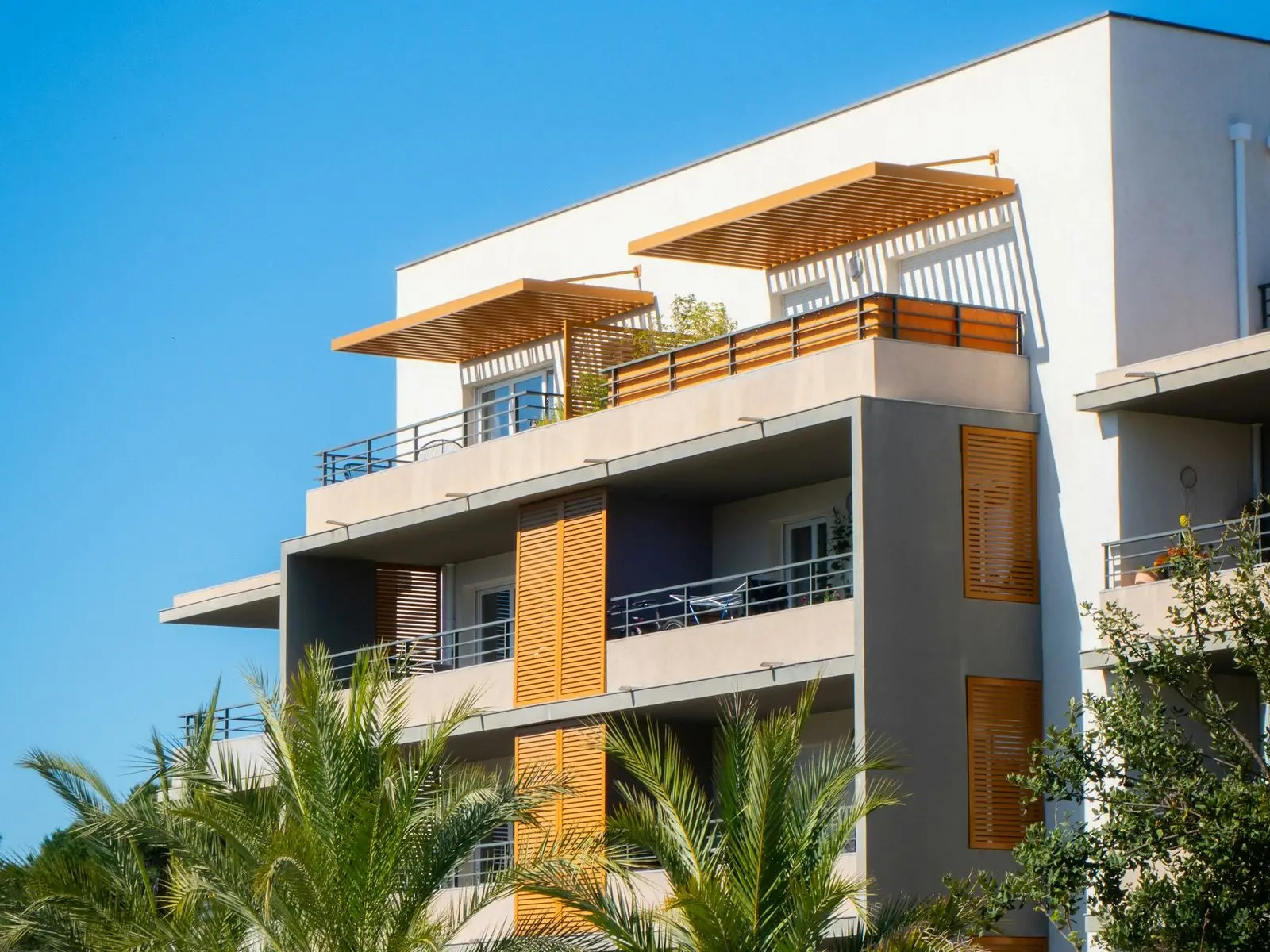
The short answer
A Marina del Rey condo can be a smart first home, as long as you buy it knowing what makes it different. Most first purchases come down to the price, the loan and the inspection. A condo in the Marina adds a few more layers: the building, its homeowners association, its insurance, and in many cases a ground lease on the land underneath. None of those are reasons to walk away. They are reasons to do your homework before you fall for the view.
For a first-time buyer who wants to live near the water, who plans to stay a while, and who is comfortable reading documents with help, it can be a very good fit. For a buyer who is stretching every dollar to get in, it can feel like too much. Here is how to tell which one you are. If you are new to buying, the Westside first-time buyer guide covers the basics first.
Start with the full monthly cost
The list price is only the beginning. The question that decides whether a Marina condo works for you is what it costs to own every month, all in. Add up these lines before you set a budget:
- Your mortgage payment. Principal and interest on the loan.
- Property taxes. In California, Proposition 13 limits the general property tax rate to 1% of assessed value, plus any voter-approved local bonds. A purchase generally resets the assessed value to the market value at the time you buy, so use your price, not the seller's old tax bill.
- HOA dues. These pay for the shared parts of the building, its staff, its insurance and its savings for future repairs.
- Ground rent, if there is any. In some leasehold buildings, owners pay a separate monthly land lease charge. Ask whether this building has one and how it can change.
- Your own insurance. A condo owner's policy, often called an HO-6, usually covers the inside of your unit, your belongings and your liability. The building's master policy covers the rest.
When you put those together, a condo with a lower price can cost more each month than you expected. Run the full number with your lender before you tour. It keeps you from falling for a home that does not fit your life.
Questions to answer before you tour
Before you spend weekends at open houses, sit down and answer a few honest questions. They save a lot of time, and they keep the view from making the decision for you.
- How long do you expect to live here? Buying and selling both cost money. The longer you stay, the more those costs are spread out, and the more a first home can work in your favor.
- What does a normal week look like? Think about your commute, where you work out, where you shop and who you see. A home near the water is wonderful on a Sunday. It also has to work on a Tuesday.
- How much cushion do you want each month? Dues and insurance can go up over time. A budget with room to breathe feels very different from one that only works if nothing changes.
- Who will help you read the documents? A condo purchase comes with a stack of building records. Plan to go through them with your agent, and bring in your lender and insurance agent on the parts they know best.
There are no wrong answers here. The goal is to know what you need before you start comparing homes, so every tour moves you closer to a decision instead of starting over.
Understand the ground lease
Much of Marina del Rey sits on land owned by the County of Los Angeles. The County's Department of Beaches and Harbors manages that land and leases parcels out on long-term ground leases. When you buy a condo in a building on leased land, you are buying the home and the years left on the lease, not the land itself.
The years remaining matter more than anything else on that lease, because they affect your loan. Fannie Mae's guidelines require a ground lease to run at least five years past the end of the mortgage. A lease that is getting shorter can limit which lenders will finance a unit, and that affects the next buyer too.
A first-time buyer does not need to become a lease expert. You just need the answers in writing early. The guide to ground leases in Marina del Rey walks through what to ask for.
Check the building before the unit
In a condo, you share the building's health with every other owner. A beautiful unit in a building with problems is a harder purchase than a plain unit in a well-run one. These are the documents I go through with first-time buyers:
- The HOA budget and reserves. How much is saved for future repairs, and whether dues have been rising.
- Board meeting minutes. They show what the owners are talking about, such as a planned project, a leak, or a dispute.
- Any special assessments. A charge the owners have already approved, or one that is being discussed.
- The master insurance policy. What it covers, and how large its deductible is. The article on building insurance claims explains why that deductible matters to you.
- Balcony and exterior inspections. The guide to balcony inspections under SB 326 covers what to look for.
If you plan to use an FHA or VA loan, check early whether the building qualifies. The article on FHA and VA approval explains how.
What insurance will and will not cover
Insurance in a condo is split in two. The building's master policy covers the shared structure, and your own policy covers the inside of your unit and your things. Where that line falls depends on how the building's policy is written, so ask for a copy and give it to your insurance agent before you choose your coverage.
Flood and earthquake damage are commonly left out of both kinds of policy and need separate coverage. Near the water, that question deserves a real answer from an insurance professional before you remove your contingencies.
Who a Marina condo tends to suit
The first-time buyers who do well in the Marina usually share a few things. They want to be near the water and value that every day. They expect to stay long enough to make the move worth it. They have room in the budget for the full monthly cost, with some cushion for a dues increase. And they are comfortable going through building documents with someone at their side.
If that sounds like you, a Marina condo can be a strong first step. If you are choosing between the Marina and a neighborhood just inland, the Marina del Rey and Playa Vista comparison and the guide to buying a condo on the Westside can help you weigh the trade-offs.
The next step
A first home should feel like a confident decision, not a leap. In the Marina, that comes from knowing the full monthly cost, the years on the lease, and the health of the building before you write an offer.
If you are thinking about a Marina del Rey condo as your first home, send me a note here. I will walk you through it, gather the documents, and handle everything from the first tour to the keys. No pressure, just real answers. I'm here when you're ready.
Common questions
- Is a Marina del Rey condo a good first home?
- It can be, for a buyer who wants to live near the water, plans to stay a while and has room for the full monthly cost. It asks more homework than most first purchases because of the building, the HOA and, in many cases, a ground lease.
- Who owns the land under Marina del Rey condos?
- Much of Marina del Rey sits on land owned by the County of Los Angeles. The County's Department of Beaches and Harbors manages that land and leases parcels on long-term ground leases.
- How long does a ground lease need to run for a loan?
- Fannie Mae's guidelines require a ground lease to run at least five years past the end of the mortgage. Individual lenders may have their own rules, so confirm with yours early.
- What monthly costs should a first-time buyer add up for a Marina condo?
- The mortgage payment, property taxes, HOA dues, any ground rent the building charges, and your own condo insurance policy.
- Does condo insurance cover flood or earthquake?
- Flood and earthquake damage are commonly excluded from both the building's master policy and an owner's condo policy, so they usually need separate coverage. Ask an insurance professional before you buy.