2026-10-10 · 7 min read · Marina del Rey
Selling a Marina del Rey Condo After a Leak? Here Is What to Disclose and Gather First
The short answer
Yes. If your Marina del Rey condo has had a leak, from the unit above, a shared pipe in the wall, a window, or your own water heater, and you know about it, it goes on your disclosures when you sell. That is true even if it was repaired years ago and even if the association paid for the fix. A repaired leak is rarely what hurts a sale. A leak the buyer finds out about on their own is.
The good news is that a well-documented past leak usually reads to buyers as a solved problem. The work is in gathering the paperwork before you list, so your disclosure, the association's records, and the inspection report all tell the same story.
At First Key Pacific, this is a question I hear often from condo owners in Marina del Rey, where so many homes share walls, ceilings, and plumbing with a neighbor. Here is how I walk sellers through it.
Why a leak in a condo is different from a leak in a house
In a single-family home, a leak is mostly your problem and your repair. In a condo, water does not respect property lines. A supply line that fails two floors up can travel down through ceilings and walls before anyone sees it. That means a single event can involve your unit, a neighbor's unit, the common area between you, the association, and two or three insurance policies.
It also means there is often a paper trail you did not create. The association may have a work order, an incident report, a vendor invoice, or a mention in the board minutes. When you sell, the buyer receives a stack of association documents during escrow, and a careful buyer or buyer's agent will read the minutes. If the minutes mention water intrusion in your stack of units and your disclosure says nothing, that gap is what creates doubt.
What California sellers are asked to disclose
California sellers have a duty to disclose known facts that affect the value or desirability of the home. The standard disclosure forms ask directly about past and present water problems. Expect questions about leaks, water intrusion, flooding, moisture, mold, and any repairs or insurance claims connected to them.
The key word is known. You are not expected to guess at what is hidden behind a wall. You are expected to share what you know, including what you were told by the association or a neighbor, and what you paid someone to fix. When in doubt, the safer path is to disclose and explain.
A clear disclosure for a past leak usually covers:
- When it happened, as close to the month and year as you can.
- Where the water came from, if you know, and which rooms were affected.
- What was done about it, and by whom.
- Whether the repair was completed and whether there has been any sign of water since.
- Whether an insurance claim was filed, and by whom.
For a broader look at the forms themselves, see this guide to California seller disclosures.
Who was responsible for the repair
Buyers will want to know who owns the fix if it ever happens again. In a California condo, the answer comes from the association's governing documents, the CC&Rs. As a general rule, the association maintains the common areas and the owner maintains their own unit, but the CC&Rs can draw the line differently, and the details matter. A pipe inside a shared wall, a balcony door, and a fixture inside your unit can each fall on a different side of that line.
Before you list, it helps to know how your association handled your leak. Did the association repair the source? Did it pay for the damage inside your unit, or did your own insurance? Was the neighbor's insurance involved? You do not have to settle any of these questions as a legal matter. You just want to be able to describe what actually happened, with documents to back it up.
The paperwork to gather before you list
This is the part that turns a past leak from a worry into a non-issue. Start a folder, paper or digital, and look for:
- Plumber, contractor, or water mitigation invoices that describe the work.
- Any moisture readings or drying reports from the mitigation company.
- Correspondence with the association or the property manager about the leak.
- Insurance claim paperwork, including the final payment or closing letter.
- Permits, if the repair required one, and the final sign-off.
- Any mold testing, if it was done, with the results.
If you cannot find something, ask. Property managers keep work orders, and your insurance company can send you a copy of a closed claim. Buyers' insurers can often see a property's recent claim history when they quote a policy, so it is better for the claim to show up first in your own disclosure than as a surprise during the buyer's insurance shopping.
Gathering documents is part of the larger job of getting a condo ready for market. This guide to selling a condo on the Westside covers the rest.
What a buyer's inspector will look for
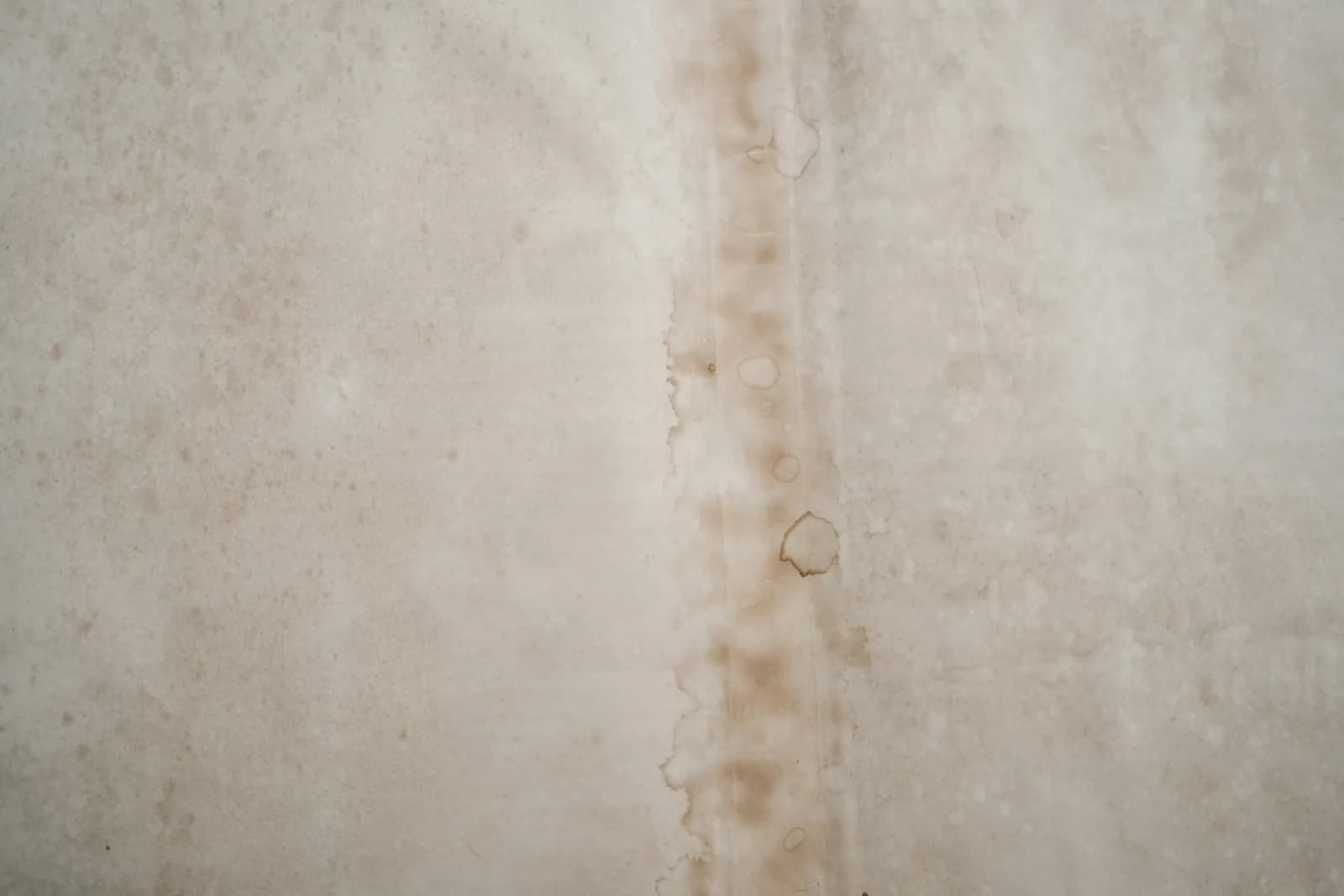
Inspectors look for the signs water leaves behind. Stains on ceilings and around windows, soft or swollen baseboards, warped flooring, bubbling paint, rust on fixtures, and musty smells all get noted. Many inspectors carry a moisture meter and will check suspect areas, especially below bathrooms and around the water heater.
If a stain from an old, repaired leak is still visible, the inspector will write it up, and the buyer will ask about it. That is not a deal-breaker when your disclosure already explains it and you have the invoice in hand. It becomes a problem when the explanation arrives after the question, because the buyer now wonders what else was not mentioned.
Some sellers choose to repaint over an old, dry stain before listing. That is fine, as long as the leak is disclosed. Painting over a stain to hide a problem you know about is the one move to avoid.
If the leak is still happening
An active leak is a different conversation. If water is still coming in, the first step is to notify the association in writing and get the source found and stopped. Most buyers and most lenders will not be comfortable moving forward with an open water issue, and in a condo it can affect your neighbors too.
If the repair is in progress when you want to list, you can still sell, but plan the timing with your agent. You may disclose the leak, the status of the repair, and the association's plan, and some sellers choose to wait until the work is finished and documented. If the issue is part of a larger building project, check what the association has said in its minutes and notices, and read this piece on balcony inspections and condo sales for how building-wide work can come up in escrow.
How this fits into the rest of your sale
A past leak is one item on a list. Marina del Rey has its own considerations, from the building's association documents to whether the land under your building is held on a ground lease. If you inherited the condo and are not sure what happened in it before you, this guide for heirs covers how to fill in the history.
My approach is to collect every document early, read the association package before a buyer does, and write disclosures that answer the next question before anyone asks it. Clear disclosures protect you after closing, and they give buyers the confidence to make a clean offer. I handle the coordination with the property manager, the vendors, and the paperwork, so you are not chasing invoices on your own.
If you are thinking about selling a Marina del Rey condo that has had water trouble, start here, or send me a note. I'm here when you're ready. Call or text me at 310.708.7717.
Common questions
- Do I have to disclose a leak that was repaired years ago when I sell my condo?
- If you know about it, yes. California sellers are expected to disclose known facts that affect a home's value or desirability, and the standard forms ask about past water problems and repairs. A repaired leak with invoices to show the work usually reassures buyers more than it worries them.
- The leak came from the unit above me. Is it still my disclosure?
- Yes. Where the water came from does not change whether your unit was affected. Disclose what happened, which rooms were involved, and who made the repair. If the association or your neighbor's insurance paid, say so and include the paperwork you have.
- Who pays for leak repairs in a California condo?
- It depends on the association's CC&Rs. As a general rule the association maintains the common areas and owners maintain their own units, but the CC&Rs can assign specific items differently. Your property manager can tell you how your association handled your leak.
- Will a past insurance claim for water damage affect my sale?
- It can come up, because a buyer's insurer may see a property's recent claim history when quoting a policy. The best protection is to disclose the claim yourself and include the closing letter or final paperwork showing the repair was completed.
- Can I paint over an old water stain before I list?
- Painting over a dry stain from a repaired leak is fine, as long as the leak itself is disclosed. Painting to hide a problem you know about is the move to avoid, because it puts your credibility at risk if the buyer learns about it later.