2026-06-11 · 4 min read · Playa del Rey
Probate Real Estate in Los Angeles: What Heirs Need to Know Before Selling
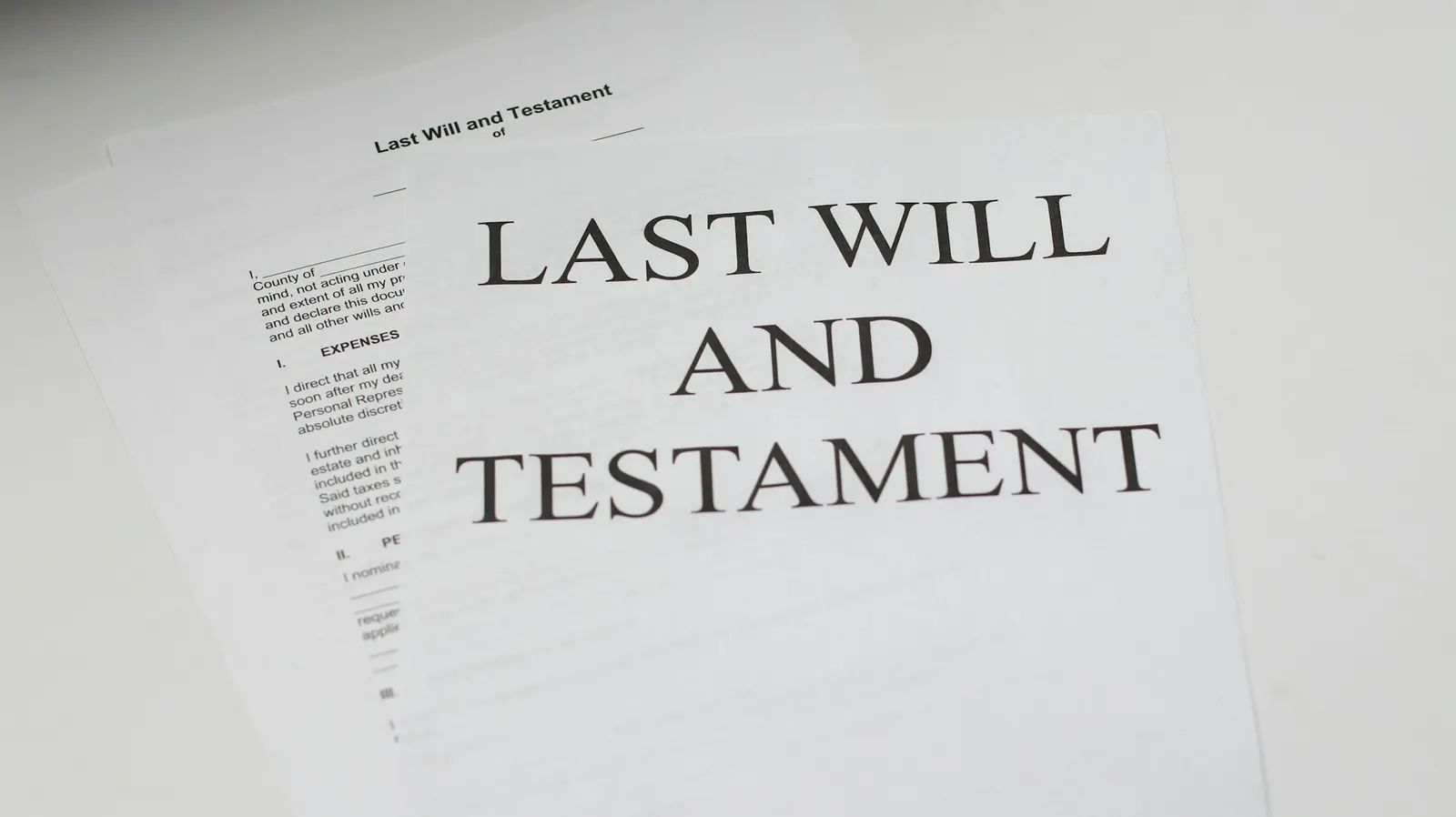
The part nobody prepares you for
An inherited home in Los Angeles does not always sell the same way a standard home does. If the person who owned it did not have a trust in place, or a surviving joint owner who automatically inherits, the home may need to go through probate before it can be listed and sold. That process can take months, sometimes longer, and it changes what you can do, when you can do it, and how a buyer makes an offer.
If you are an heir trying to figure out what to do with a parent's or relative's home, here is what the process looks like from the real estate side.
What probate is and when it applies
Probate is the court-supervised process for transferring a deceased person's assets, including real property, to their heirs. In California, a home typically goes through probate if the owner passed away without a living trust, without a joint tenant who automatically inherits, and without a transfer-on-death deed. If any of those legal structures were in place, probate may not be required at all. Your attorney will tell you which situation applies to the specific estate.
What probate means for the sale
A home in probate cannot be listed or sold without court authorization. The court appoints a personal representative, called an executor if there is a will or an administrator if there is not, and that person holds the legal authority to move the property. Whether they can close without a formal court confirmation hearing depends on the estate and how the probate petition is structured.
California's Independent Administration of Estates Act (IAEA) allows many estates to sell property without requiring court confirmation at each step, which shortens the timeline considerably. Whether the estate qualifies depends on the will and on how the probate petition is filed. This is a question for a probate attorney, not for the real estate agent.
When court confirmation is required
If court confirmation applies, the sale works differently than a standard transaction. After the executor accepts an offer, it is filed with the court and a hearing is set. At the hearing, other buyers can appear and submit overbids. If someone overbids the original buyer by at least the prescribed minimum, the property goes to the higher bidder. The original accepted offer is not final until the hearing closes without a successful overbid.
This process is specific to court-confirmed probate sales, and it catches buyers off guard when they are not expecting it. Knowing it is coming, and pricing and marketing accordingly, matters.
What heirs should do first
Work with a probate attorney before you call a real estate agent. The attorney opens the estate, gets the executor or administrator appointed by the court, and determines whether court confirmation is required or whether the estate qualifies for independent administration. Until that legal authority is in place, no one can legally list or sell the property.
Once authority is established, the real estate process can move forward. I have worked with heirs at various stages of probate and understand how to coordinate the listing timeline with what the attorney needs, so the two tracks stay aligned instead of causing delays for each other.
Condition, pricing, and the as-is reality
Probate homes are often sold as-is. The estate typically cannot warrant the property's condition because the personal representative may not have access to the full maintenance history, and repairs are often impractical during an active court process. Buyers expect this, and pricing should reflect it honestly.
As-is does not mean untouched. Cleaning, removing personal property, and basic presentation still matter for first impressions and for what the home can achieve at sale. A home that shows well, even in as-is condition, draws more serious buyers than one that looks abandoned.
Pricing an inherited home that has been off the market for decades requires a careful look at current comparables, actual property condition, and how buyers in that specific area are pricing similar homes. See how a real home valuation is built for the framework I use on every pricing conversation.
How this fits into the broader inherited home process
The guide on selling an inherited home in Los Angeles County covers the personal and practical decisions that come before and alongside the legal process, including what to do with the contents, how to handle disagreements among heirs, and how to think about timing. Probate is one legal path within that broader picture, not the whole story.
For the tax side, including whether the stepped-up cost basis applies to your situation, read what long-time LA homeowners need to know about capital gains. That one is worth reviewing with your accountant alongside the probate process.
Work with an agent who's here when you're ready
Selling a probate property requires real coordination across legal, personal, and market considerations. I handle the real estate side, stay in communication with your attorney, and move things forward so you are not managing every detail yourself. I stay in touch.
If you are dealing with an inherited or probate home in Westside Los Angeles or anywhere in Los Angeles County, book a consultation. No pressure, just real answers.
The next step
Executors get handed a house and a list of obligations. I can take most of that list. If you are dealing with an inherited property in Los Angeles County, let me know and First Key Pacific will pick it up from there.
Common questions
- Does every inherited home have to go through probate in California?
- No. If the home was held in a living trust, in joint tenancy with a surviving co-owner, or with a transfer-on-death deed, it may pass outside of probate entirely. A probate attorney reviews the ownership structure and tells you which path applies.
- How long does a probate sale take in California?
- It varies significantly depending on estate complexity, court schedules, and whether court confirmation is required at each step. Simple estates qualifying for independent administration can move faster. Complex or contested estates take longer. Your probate attorney can give you a realistic timeline for your specific situation.
- Can heirs sell a probate home without going to court?
- In California, many estates qualify under the Independent Administration of Estates Act (IAEA) to sell property without a formal court confirmation hearing at each step. Whether yours qualifies depends on the will and how the petition is filed. Your attorney handles this determination.
- What is an overbid at a probate sale?
- In court-confirmed probate sales, after an offer is accepted and filed with the court, a hearing is held where other buyers can appear and submit higher bids. If someone overbids the original buyer by at least the required minimum, the property goes to the new bidder. The original accepted offer is not final until the hearing closes.
- Should a probate home be sold as-is?
- Often yes, because the personal representative may not have full knowledge of the maintenance history and repairs during an active court process are complicated. Pricing should reflect the condition honestly. That said, cleaning and clearing personal property still matter for presentation and for what the home can achieve.