2026-07-05 · 5 min read · Mar Vista
Cost of Living in Westside Los Angeles: What Buyers and Residents Actually Pay
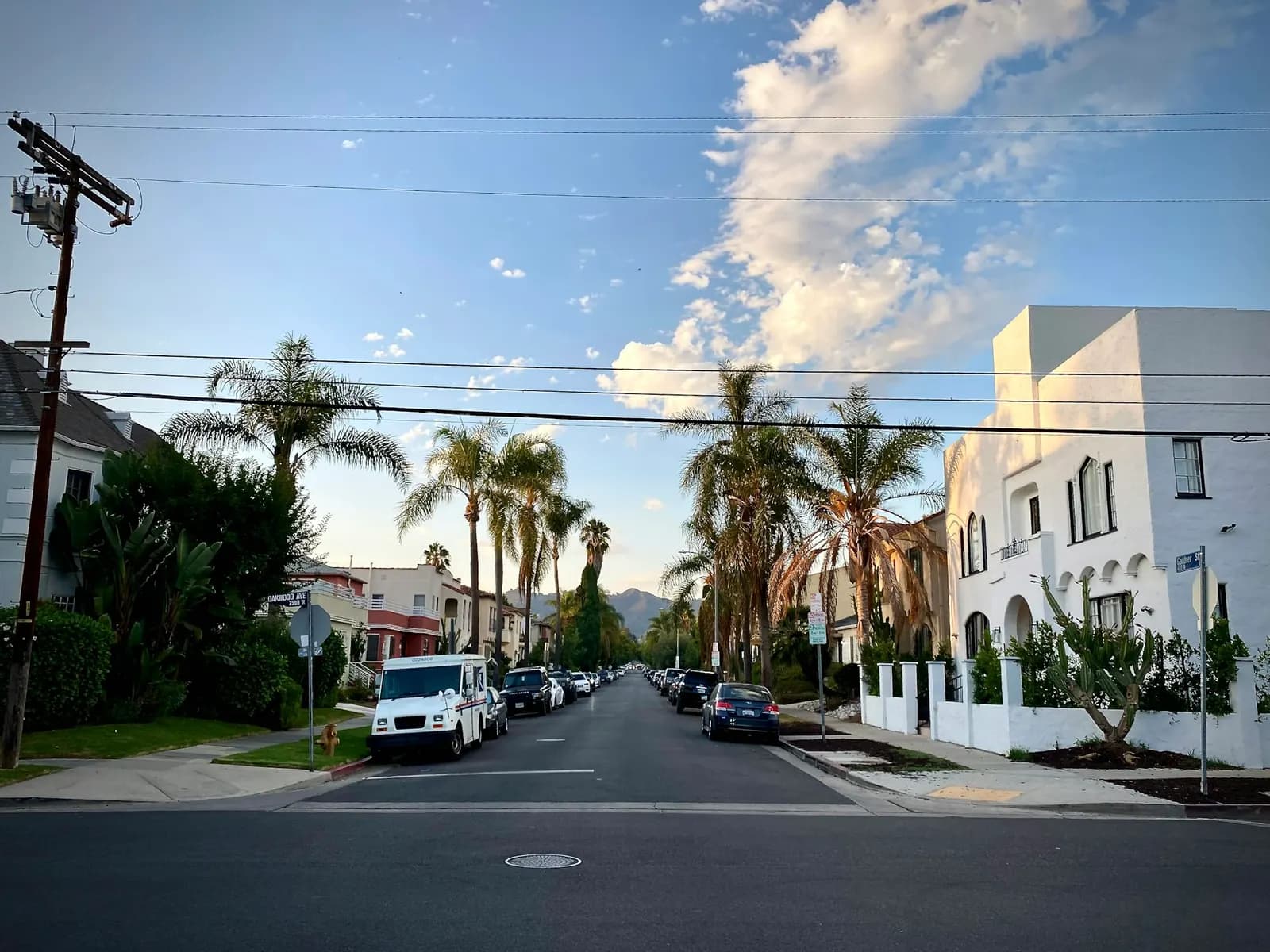
Westside costs at a glance
Westside Los Angeles has a reputation for being expensive, and that reputation is earned. But the actual cost of living here varies more than the headlines suggest, and it depends heavily on the decisions you make about where to live, what type of home you choose, and which trade-offs you are willing to accept. This is a practical breakdown of what buyers and residents on the Westside actually pay.
Housing: the biggest variable
Housing is the dominant cost on the Westside, and it varies significantly by neighborhood and housing type. A condo in Playa Vista and a single-family home in Mar Vista can be in similar price ranges. A house north of Montana in Santa Monica and a house in Westchester are not. The range is wide, and the choice of neighborhood and housing type determines your monthly carrying cost more than any other factor.
The neighborhoods that tend to deliver more home for the money relative to their Westside neighbors are Mar Vista, Del Rey, and Westchester. Beach-adjacent areas including Playa del Rey and Marina del Rey carry premiums for proximity to the water and the lifestyle that comes with it. The full picture of what you can actually afford in this market, including all the costs beyond the mortgage, is in how much house you can afford in Westside Los Angeles. For out-of-state buyers trying to calibrate, the relocation guide covers the key adjustments.
Property taxes
California's Proposition 13 keeps long-term owners' property taxes low by tying the taxable value to the original purchase price, with annual increases capped at 2 percent. New buyers, however, are assessed at today's purchase price. Los Angeles County's effective property tax rate, including the 1 percent base and local assessments for bonds and special districts, typically runs roughly 1.1 to 1.25 percent of the purchase price per year. On a $1.2 million purchase, that is roughly $13,000 to $15,000 per year in property taxes. That number is real and worth building into your budget from day one, not discovering at closing.
For homeowners 55 and older who already own a Westside home and are thinking about moving to a smaller California property, Proposition 19 may allow them to carry their existing low tax base to the replacement home. The capital gains picture for long-held Westside homes is covered in capital gains tax on a long-held Los Angeles home.
Homeowners insurance
Insurance costs in California have shifted in recent years. Some insurers have reduced their California exposure, which has affected both availability and pricing in parts of the state, including Los Angeles. The cost depends on the specific home, its location relative to fire hazard zones, its age, and your coverage level. Rather than estimating from a general number, get actual quotes early in the buying process. Do not assume your insurance cost will match what you paid in a previous state or neighborhood. This is one of the line items where doing the homework before you close protects you from a budget surprise after.
HOA fees for condos and planned communities
Condos and townhomes in Marina del Rey, Playa Vista, and Century City carry HOA fees that can add substantially to the monthly carrying cost. These fees cover shared building maintenance, amenities, and reserves, and they vary widely by building. Full-service buildings with doormen, concierge, and amenity floors carry higher dues than smaller buildings with fewer services. Before buying a condo anywhere on the Westside, get the HOA financial documents and understand the monthly dues and the reserve fund health. An HOA special assessment for a deferred repair project can arrive after closing and change your monthly cost in ways you did not plan for. The guide to buying a condo on the Westside covers this in detail.
California state income tax
California has one of the higher state income tax rates in the country. For buyers relocating from states with no income tax, this is an adjustment worth planning for before you commit to a California address. The effective rate on most middle-income earners is lower than the headline top rate, but it is still real, and it compounds with higher housing and insurance costs. For buyers comparing total cost of living between California and a lower-tax alternative, state income tax belongs in that calculation alongside housing.
Transportation
Most Westside residents own at least one car. The 405, Santa Monica Boulevard, and Lincoln Boulevard are the main corridors, and peak-hour traffic is a real factor. Car insurance in Los Angeles tends to cost more than in much of the country, and so does gasoline in California. If you are relocating from a city with strong public transit and no car, factor in vehicle ownership costs as a genuine line item in your Westside budget.
The exceptions are worth knowing: residents in walkable parts of Santa Monica, Venice, and Westwood can manage more daily errands on foot or by bike. The Metro E Line gives commuters along the Culver City and downtown corridor a practical car-light option. But these are the exceptions rather than the rule across most of the Westside.
Which neighborhoods deliver more for the money
Not every Westside address carries the same price for the same amount of home. Westchester, Mar Vista, and Del Rey consistently offer more square footage and yard space per dollar than the beach-adjacent neighborhoods to the west. Long Beach, at the southern edge of the territory I cover, has lower price points than most core Westside areas while still offering waterfront neighborhoods and walkable retail streets. For a direct comparison of specific areas, the Mar Vista guide, the Westchester guide, and the Playa del Rey guide give you an honest look at what each delivers for the price.
What the cost buys you
The cost structure of Westside Los Angeles is high, and honesty requires saying so plainly. What it tends to buy: weather that is genuinely different from most of the country, proximity to the ocean, and the daily life of the Westside. The people who choose the Westside and stay generally know exactly what they are paying for. The ones who leave often do not regret the financial relief but miss specific things about the daily life here. That calculation is yours to make, but the numbers above are what goes into it.
Work with an agent who's here when you're ready
Understanding the full cost of living on the Westside is part of making a well-informed decision, whether you are buying your first home here, relocating from another market, or selling a long-held property and considering what comes next. I handle everything from the first conversation to the keys changing hands, and I give you real answers with no pressure. Your next chapter starts here.
If you want to talk through the numbers for your specific situation, book a consultation. No pressure, just real answers.
What happens next
Moving to somewhere you do not know yet is an information problem before it is a housing one. If Mar Vista is where you are headed, get in touch and I will give you the ground truth first. First Key Pacific works with people arriving from out of state regularly.
Common questions
- How much does it cost to live in Westside Los Angeles?
- Housing is the biggest variable and varies significantly by neighborhood and housing type. Property taxes typically run 1.1 to 1.25 percent of the purchase price per year in LA County. HOA fees are substantial in condos in Marina del Rey, Playa Vista, and Century City. State income tax, homeowners insurance, and transportation add to the picture. The total varies more by specific neighborhood and home type than by the Westside broadly.
- Which Westside Los Angeles neighborhoods are the most affordable?
- Mar Vista, Del Rey, and Westchester consistently offer more home for the money than beach-adjacent neighborhoods like Playa del Rey and Marina del Rey. Long Beach, at the southern edge of the service area, has lower price points than most core Westside neighborhoods while offering waterfront neighborhoods and walkable streets.
- How much are property taxes on a home in Los Angeles County?
- Los Angeles County's effective property tax rate, including the 1 percent base under Proposition 13 and local assessments for bonds and special districts, typically runs roughly 1.1 to 1.25 percent of the assessed value per year. New buyers are assessed at the purchase price, so the rate applies to what you paid. Long-term owners may pay significantly less if they have held the home for many years under Proposition 13 protections.
- Do I need a car to live in Westside Los Angeles?
- For most Westside addresses, yes. Most errands require a car, and traffic during peak hours is a real factor on the 405 and surface streets. The exceptions are parts of Santa Monica, Venice, and Westwood where daily errands and dining are walkable, and the Metro E Line corridor between Santa Monica and Culver City where some residents commute without a car. Car insurance and gas in California tend to cost more than in much of the country.
- Is the cost of living worth it in Westside Los Angeles?
- That is a personal calculation. What the cost generally buys: mild weather year-round and close proximity to the ocean. Whether that outweighs the cost compared to other markets depends on what you value and what fits your budget.