2026-10-31 · 6 min read · Mar Vista
Is a Mid-Century Mar Vista Home Worth Paying More For, and Who Buys Them?
The short answer
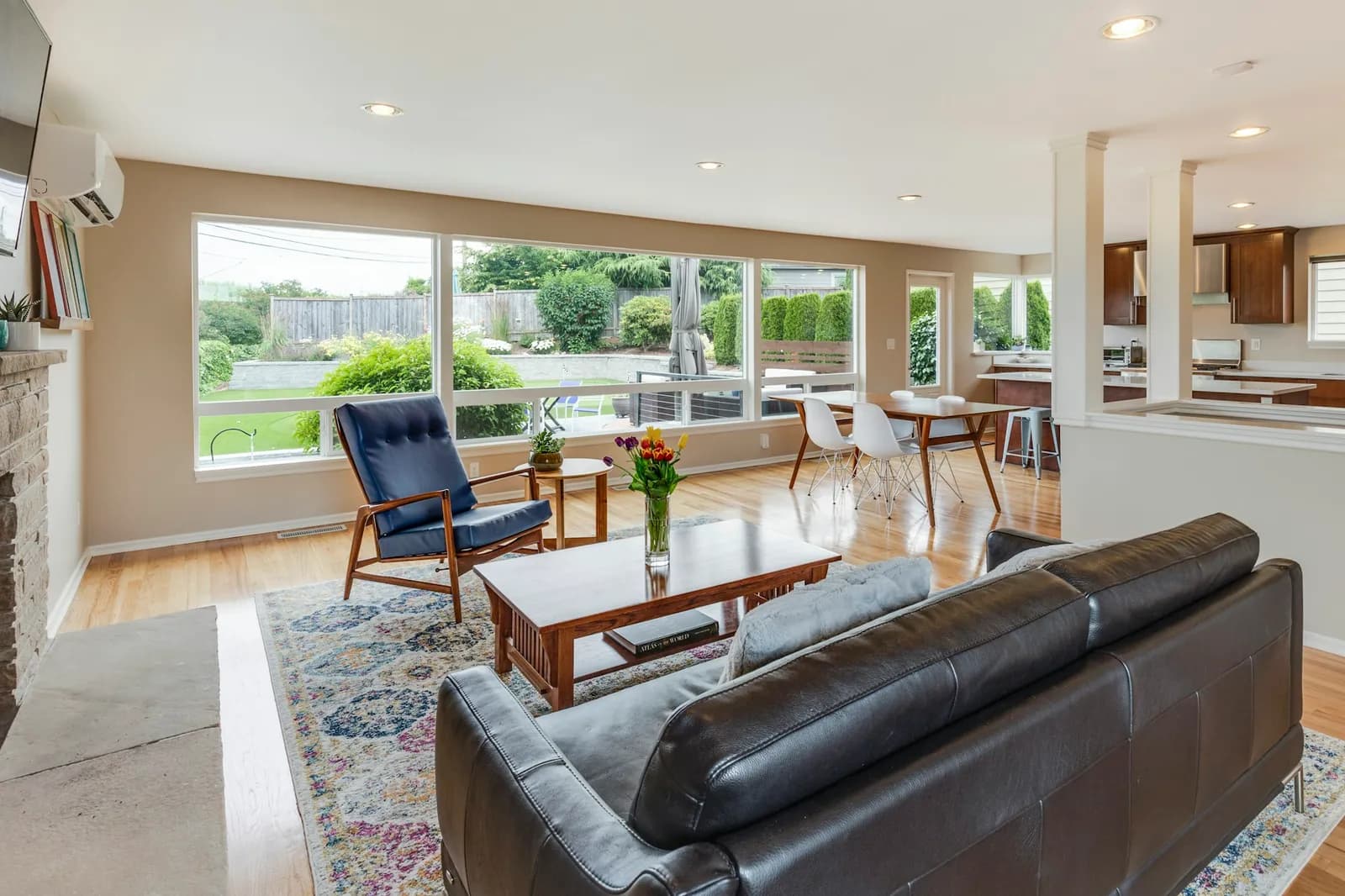
Sometimes, yes. A mid-century Mar Vista home can be worth paying more for when the things that make it mid-century are still in the house: the original floor plan, the walls of glass, the post-and-beam lines, the way the house opens to the yard. When those have been remodeled away, you are often paying a design price for a house that no longer has the design.
So the real question is not whether mid-century homes cost more. It is whether this specific house still carries what a design-minded buyer is paying for, and whether you are one of those buyers yourself. Here is how I walk clients through it.
Why Mar Vista has this conversation at all
Mar Vista holds one of the best-known postwar modern neighborhoods in Los Angeles. The Mar Vista Tract was designed by architect Gregory Ain, working with Joseph Johnson and Alfred Day, with landscape design by Garrett Eckbo. It was completed in 1948 and first marketed as Modernique Homes. Eckbo's plan imagined a park-like setting, with generous front setbacks and no fences or walls.
In 2003 the City of Los Angeles adopted the tract as its first post-World War II Historic Preservation Overlay Zone, usually shortened to HPOZ. That status shapes what owners can change on the outside of the house. I covered those rules in detail in What Is an HPOZ, and What Changes If Your Mar Vista Home Is in One?
Outside the tract, Mar Vista also has plenty of homes built in the same era with mid-century details. Those are not under the same overlay, which matters both for what you can change and for how a buyer values them.
What you are actually paying for
When a buyer pays more for a mid-century house, they are usually paying for one or more of these:
- The design itself. A known architect, a recognizable plan, and original details that cannot be added back once they are gone.
- The setting. In the Ain tract, the open front yards and the planned landscape are part of what people come for.
- Scarcity. A planned tract is a fixed set of houses. Nobody is building more of them.
What you are not paying for is square footage. Many of these homes are modest in size by today's standards. A buyer who wants the most space for the money is usually better served elsewhere, and that is a fine choice. It is just a different purchase.
Original, restored, or remodeled: three different houses
Two mid-century homes on the same street can be very different purchases. I sort them into three groups.
Original. The plan and many of the materials are as built. These carry the most design value, and often the most deferred work. Original plumbing, electrical, windows and roofing all deserve a close look from your inspector.
Restored. Systems have been updated, but the design was respected. The kitchen may be new, yet it fits the house. This is often what the design-minded buyer wants most, and it tends to draw the strongest interest.
Remodeled. The house has been opened up, added onto, or refinished in a way that erased the original character. It may be a very nice house. It is just no longer a mid-century house in the way a design buyer means it, so paying a design price for it rarely makes sense.
Before you decide what a house is worth, decide which of the three it is. Ask for the permit history too. I wrote about how to pull it in How to Check the Permit History on Your Mar Vista Home Before You Sell.
Who usually buys these homes
The buyers I see drawn to mid-century homes are defined by what they value, not by who they are. They tend to be:
- Design-first buyers. People who already know the architect's name, or who walked in and felt the difference. They will often accept a smaller house or more work for the right plan.
- Buyers who want to restore. They are looking for an original house on purpose, so they can bring it back carefully.
- Buyers who want the setting. The open front yards and quiet planned streets appeal to people who care about how a block feels, regardless of the house's details.
- Buyers who discover it. Some buyers were not looking for mid-century at all, toured the house, and fell for the light and the layout.
For a seller, this matters. The marketing for a mid-century home has to speak to those buyers directly: the architect, the original features, what was restored and how. A listing that reads like any other house leaves the design buyer guessing.
How to judge the price without overpaying
The comparison that matters most is against similar homes, not against the neighborhood as a whole. For a tract house, that means other homes in the same tract, in a similar condition group. For a mid-century home outside the tract, it means other homes of the same era and character nearby.
When I prepare a buyer's offer on one of these, I look at:
- Which condition group it falls in, and what the recent sales in that same group looked like.
- What work is coming. An original house with a sound plan and tired systems needs a realistic repair budget in the offer math.
- What the overlay allows, if it is in the HPOZ. If your plans need an exterior change, confirm it can be approved before you pay for it.
- Whether a Mills Act contract is on the property. A contract can lower property taxes for a qualified historic home, but it runs with the property and binds each new owner to its maintenance plan. Savings vary, and a home with a low tax base may see little change.
If the numbers only work because you are paying for design the house no longer has, that is the moment to walk away.
If you are the seller
The same questions apply in reverse. Know which condition group your house is in and price against that group. Gather what you have: the original plans if you have them, any record of restoration work, the permit history, and any Mills Act paperwork. A design buyer reads those documents closely, and having them ready answers questions before they slow down an offer.
Do not rush into a remodel before you sell. Updating an original kitchen to look like every other kitchen can remove the exact thing your best buyer was coming for. Talk it through first. Sometimes a careful repair is worth more than a new finish.
Let's look at the specific house
Whether a mid-century Mar Vista home is worth paying more for comes down to the house in front of you: what is still original, what has been done well, and what still needs work. I'm happy to walk it with you, pull the sales in the right comparison group, and tell you plainly where I think the value is.
I'm here when you're ready. Call or text me at 310.708.7717, or send me a note here.
Common questions
- Who designed the Mar Vista Tract?
- Architect Gregory Ain designed it with Joseph Johnson and Alfred Day, and Garrett Eckbo designed the landscape. It was completed in 1948 and first marketed as Modernique Homes.
- Is the Mar Vista Tract a historic district?
- Yes. The City of Los Angeles adopted it as a Historic Preservation Overlay Zone in 2003, the city's first for a post-World War II neighborhood. Exterior changes there go through a review.
- Does a mid-century home always sell for more?
- No. The design value depends on how much of the original design is still in the house. A home that was remodeled in a way that erased its character is usually valued like any other house of its size and condition.
- What is a Mills Act contract, and does it transfer when I buy?
- It is a contract for a qualified historic property that can lower property taxes in exchange for maintaining the home. It runs with the property, so a buyer takes on its maintenance plan. Savings vary from home to home.
- Should I update an original kitchen before selling a mid-century home?
- Talk it through before you do. Buyers drawn to these homes often value original features, and a generic remodel can remove the very thing they were coming for.