
Free guide for Westside sellers
The Westside Home Seller's Guide
What actually moves a home, and what only looks like it does.
Prefer a copy to keep or print? Download the PDF
Who this is for
You're thinking about selling a home on the Westside of Los Angeles, whether that's next week or six months from now, and you want to understand the decisions before anyone asks you to make them.
This covers four things: how pricing actually gets decided, which repairs return more than they cost and which don't, what separates a real marketing plan from putting a house on the MLS and waiting, and what it actually costs to sell.
It doesn't contain a valuation of your home, because that requires standing in it. It also contains no market statistics, because a number written months ago and read today is worse than no number at all. What it contains is how the decisions get made, so that when you sit down with any agent you can tell whether they're thinking or reciting.

The three pricing strategies, and how to pick
There are broadly three ways to price a home, and each one is a different bet. A good agent presents all three, with the pros and cons of each. You pick. It's your equity.
At market. Price where the comparable evidence places the home. The most predictable outcome, the widest realistic buyer pool, and the least drama. This is right for most sellers most of the time, which is why it rarely gets pitched as exciting.
Below market, deliberately. Price under the evidence to generate competition and let multiple buyers bid it back up. It can work well, and it carries a real risk: if the competition doesn't materialize, you've anchored low and you're negotiating up from a number you chose. This bet needs genuine demand behind it, not hope.
Above market, to test. Price ahead of the evidence because you believe the home is exceptional or you aren't in a hurry. The cost is that early attention is the most valuable attention a listing ever gets, and testing high spends it. If you take this route, agree the reduction trigger in advance, in writing. A price reduction that was planned reads completely differently from one that looks like a retreat.
What decides it isn't the agent's preference. It's your timeline, your risk tolerance, and how much genuine comparable evidence exists for your specific property.
Which repairs return more than they cost
The single most common way Westside sellers lose money is spending it on the wrong half of the list.
Usually worth doing: anything a buyer's inspector will write a paragraph about. Roof, electrical panel, drainage, plumbing, and active leaks. These don't add to your price so much as prevent a credit request that costs more than the repair would have.
Usually not worth doing: a full kitchen or bathroom renovation immediately before listing. You rarely recover it, and a meaningful share of buyers intend to change it anyway. Cosmetic updating in a neighborhood where buyers are pricing the lot is money you're handing over.
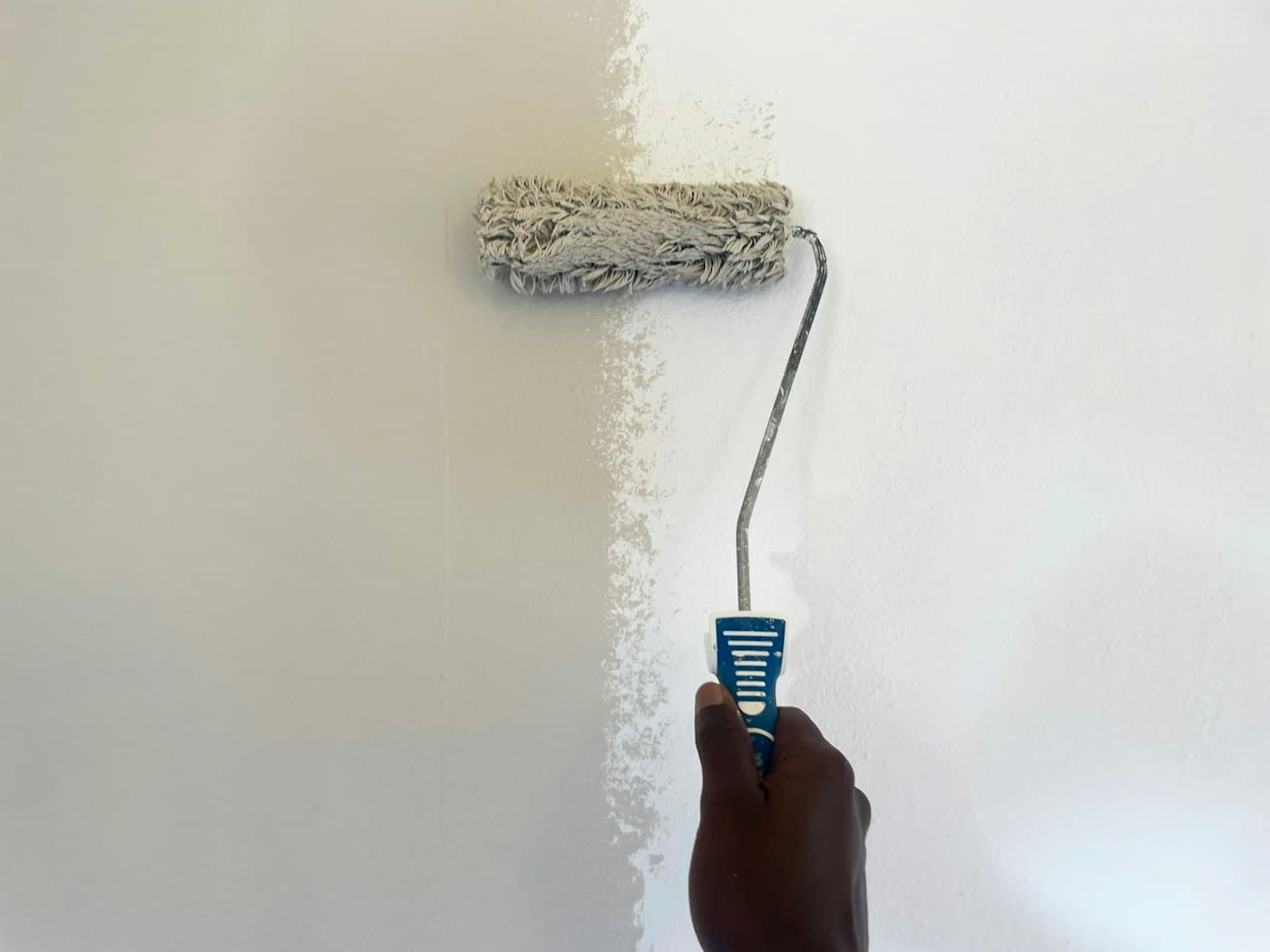
Almost always worth doing: cleaning, decluttering, paint where it's genuinely tired, and landscaping. These are cheap relative to their effect on how a home is perceived.
Depends entirely on the property: flooring, windows, and staging. All three can be excellent decisions or wasted money, and the answer comes from a walkthrough rather than a rule.
The right process is a condition walk before anything is spent, producing a straight answer on what's worth doing and what isn't. For a home held a long time, more usually gets ruled out than ruled in, and that's the more valuable half of the conversation.
Which column an item lands in is also neighborhood-specific. In Mar Vista, where part of the buyer pool is pricing the lot, cosmetic work returns least. In Westchester, sound insulation is real money that a listing should lead with rather than bury.
What a real marketing plan looks like
Plain MLS distribution means listing the home and waiting for buyers who are already searching to find it. That reaches people in the market today. It does nothing for the far larger group who would move for the right house but aren't actively looking.
A real plan reaches both. Professional photography and video rather than phone photographs. A property website of its own, so the home has somewhere to be sent that isn't a portal surrounded by competitors. And a paid digital campaign that launches the day the listing does, putting the home in front of people who weren't searching yet.
Ask any agent you interview three questions. Where specifically will this home be advertised, and with what budget? What does the media package include, and is video part of it or extra? And who coordinates the vendors, me or you?
The answers separate a marketing plan from a marketing promise faster than anything else you can ask.
A price reduction that was planned reads completely differently from one that looks like a retreat.

What it actually costs to sell a home here
Most sellers don't see this part until they're already in escrow. Here it is up front. When you sell a home on the Westside, the money that comes out of your sale price falls into four groups.
Commission. Since the 2024 rule changes, what you pay your listing agent and what, if anything, you offer toward the buyer's agent are two separate decisions, and both are negotiable. I put both numbers in writing before you sign anything, and I explain exactly what each one pays for.
Transfer tax. This is a tax charged when the deed passes from you to the buyer. Los Angeles County charges $1.10 for every $1,000 of the sale price. Five cities in the county add a tax of their own: Los Angeles, Culver City, Santa Monica, Pomona, and Redondo Beach.
Most of the Westside is inside the City of Los Angeles, including Mar Vista, Playa Vista, Playa del Rey, and Westchester. The city adds $4.50 for every $1,000. On a $1,000,000 sale, that's $1,100 to the county plus $4,500 to the city, $5,600 in all. Marina del Rey isn't inside any city, so only the county tax applies there. Culver City charges its own tax, and more on higher-priced homes. Near the Culver City line an address can fall in either city, so I confirm yours before we set a price.
The ULA tax, for homes over $5.4 million in the City of Los Angeles. Measure ULA is an extra city tax that Los Angeles voters approved in 2022. It sits on top of the transfer tax above, and it only applies to homes inside the City of Los Angeles that sell for more than $5.4 million. Here's how it works:
- Sale price of $5,400,000 or less: no ULA tax.
- Sale price over $5,400,000: 4% of the whole price.
- Sale price of $10,900,000 or more: 5.5% of the whole price.
The percentage applies to the entire price, not only the part above the line. A home that sells for $5,500,000 owes $220,000. A home that sells for $5,390,000 owes nothing. That jump is why it has to be part of the pricing conversation, not a surprise at closing. The price lines rise every July. These are the ones for sales closing after June 30, 2026. Marina del Rey and Culver City homes don't owe it, because they're outside the City of Los Angeles.
Escrow, title, and county fees. Escrow fees, a title insurance policy for the buyer, recording fees, a natural hazard disclosure report, and HOA documents if you have an HOA. Several of these can be split with the buyer, and every one is itemized on your net sheet.
Getting ready, and repairs after inspection. Paint, cleaning, landscaping, a termite report. Then, once you're in escrow, any credits or repairs you agree to after the buyer's inspection. This is the group that surprises people, and good preparation shrinks it the most.
Tax on your profit. This one isn't a selling cost, but people worry about it. If you owned the home and lived in it as your main home for at least two of the last five years, federal law lets you keep up to $250,000 of profit tax-free, or up to $500,000 if you file a joint return with your spouse. Your CPA confirms your situation.
Your net sheet. Before you list with me, you get a written net sheet: the sale price at the top, every cost itemized, and the amount that actually reaches your account at the bottom. If that number doesn't work for you, it's better to find out at your kitchen table than in escrow.

What I do for sellers
When you sell with me, you're working with a Realtor® at First Key Pacific, licensed under Keller Williams Premier Properties, working the Westside. My business runs almost entirely on repeat clients and referrals.
Every listing gets the full package at every price point: condition walk, vendor management, staging consultation, professional photography and video, a property website, and a paid digital launch. Not a menu, and not reserved for the expensive houses.
One next step. Ask for a valuation and I'll build a real number for your home with the reasoning shown, so you can check it rather than trust it. No obligation, and no pressure. You can also read the full six-step process or get in touch directly. Call 310.708.7717.
Questions
Frequently Asked Questions
Which pricing strategy is usually right?
Pricing at market suits most sellers most of the time, because it's the most predictable and reaches the widest realistic buyer pool. The other two are bets that need specific conditions behind them. What decides it is your timeline, your risk tolerance, and how much comparable evidence exists.
Should I renovate the kitchen before selling?
Usually not immediately before listing. You rarely recover a full renovation, and a meaningful share of buyers intend to change it anyway. Systems and structure are where pre-sale money is better spent, because those prevent credit requests.
How do I tell a real marketing plan from a promise?
Ask three questions: where specifically will it be advertised and with what budget, what the media package includes and whether video is part of it, and who coordinates the vendors. The answers separate the two faster than anything else.
Keep exploring
Ready to make your move with First Key Pacific?