Trading Up
Moving out of a starter home, with the buy-and-sell sequencing worked out before anything is listed.
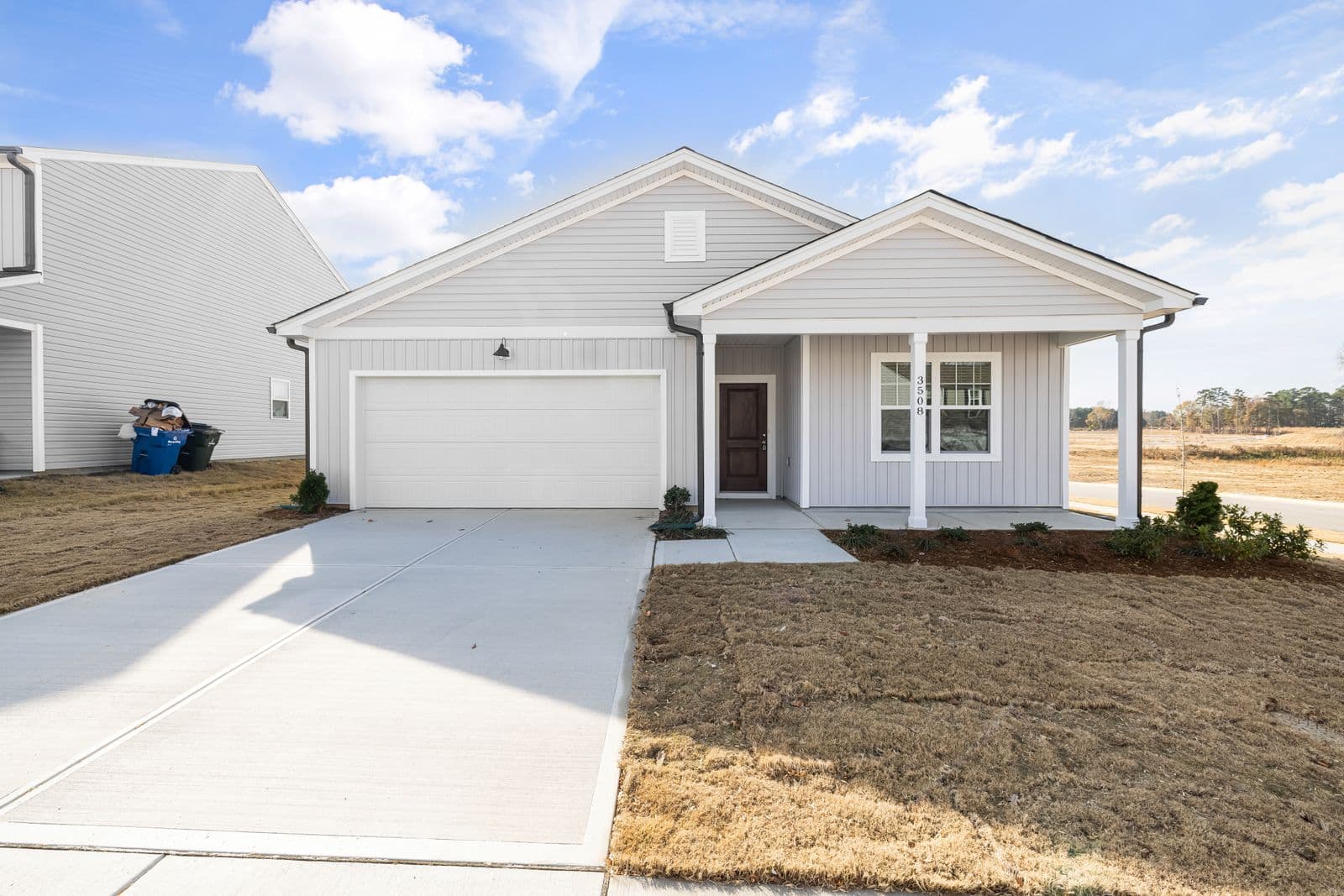

The hard part is the sequence, not the house
Trading up is rarely difficult because the next house is hard to find. It's difficult because two transactions have to happen in a specific order, and the order changes your financing, your leverage, and your stress level.
That decision gets made first, with your actual numbers, before anything is listed or toured.
Start with a consultation

Buy first or sell first
Sell first and you know your number, you buy without a contingency, and your offers are stronger. The cost is that you may need somewhere to live in between.
Buy first and you move once, on your schedule. The cost is carrying two properties briefly, and writing an offer that may be contingent on selling, which is weaker in a competitive situation.
Neither is right in general. The answer comes from your equity position, your lender's appetite, and how much uncertainty you can tolerate. The answer should come after seeing your numbers, not before.
Your current home is half the transaction
Move-up buyers are also sellers, and the sale side gets the full listing treatment rather than being an afterthought to the purchase.
Professional photography and video, a custom property website, an AI-driven digital launch on day one, concierge vendor management, and a Monday update every week. The pricing conversation is the same three-strategy choice every seller gets.
Running both sides through one person is the point. The timing only works if somebody is holding both ends.
Questions
Frequently Asked Questions
Should I buy first or sell first?
It depends on your equity, what your lender will support, and how much uncertainty you can live with. Selling first gives you a known number and stronger offers but may mean an interim move. Buying first means moving once but can mean carrying two properties and writing a contingent offer. The decision should follow your numbers, not a rule of thumb.
Can you handle both the sale and the purchase?
Yes, and that's generally the point. The timing between two transactions is where move-ups go wrong, and it works far better when one person is holding both ends rather than coordinating between two agents.
Will my current home sell for what I think it will?
That's what a comparative market analysis is for, and it's free. You'll get the number with the reasoning attached, based on current comparable sales rather than what a neighbor got in a different market.
What's the hardest part of trading up?
The sequence, not the house. Two transactions have to happen in a specific order, and that order changes your financing, your leverage, and your stress level. It gets decided first, with your actual numbers.
Does my current home get the full listing treatment?
Yes. Professional photography and video, a custom property website, an AI-driven digital launch on day one, concierge vendor management, and an update every Monday.
Is an offer that depends on selling my home a problem?
It can be. An offer contingent on selling is weaker in a competitive situation. That's the trade-off of buying first, and it's one reason the sequence gets decided before anything is listed.
Move-Up Buyers by neighborhood
Keep exploring
Ready to make your move with First Key Pacific?