2026-10-26 · 7 min read · Playa Vista
Can You Add Solar or an EV Charger to a Playa Vista Condo or Townhome?
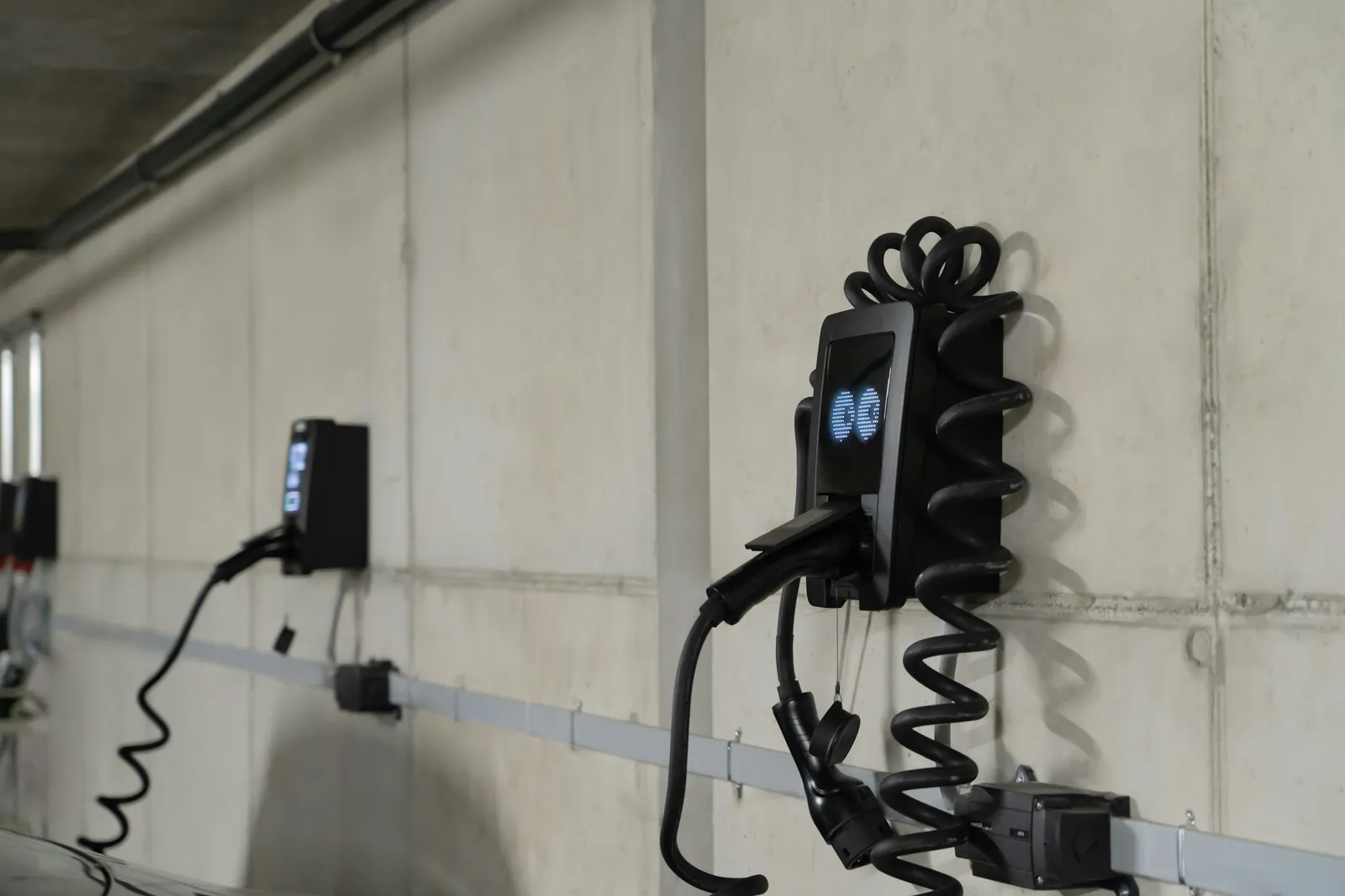
The short answer
Usually, yes. California law protects an owner's right to install an electric vehicle charger in their own parking space and to put solar on a home, and that protection applies inside a homeowners association. An association cannot simply ban either one.
What the association can do is set reasonable conditions. It can require an application, approval in writing, a licensed contractor, insurance, and an agreement that you pay for the work, the electricity, and the upkeep. In a condo, the answer also depends on where the equipment would go. A charger in your own deeded space is one conversation. Solar on a roof you share with every other owner in the building is a very different one.
So the real question for a Playa Vista buyer or owner is not "is it allowed?" It is "what will this association require for this unit, and can my parking space and my building physically support it?" Here is how I walk clients through it at First Key Pacific.
Why this question comes up in Playa Vista
Playa Vista is a planned community, and most homes there sit inside at least one homeowners association. Many sit under more than one, which is covered in this guide to what Playa Vista HOA dues pay for. Condos and townhomes share walls, roofs, garages, and electrical systems, so almost any change that touches those shared parts goes through the association first.
Chargers and solar both touch shared parts. A charger usually needs a new electrical run from a panel or meter to your space, often through a garage the whole building uses. Solar needs roof space, and in a condo building the roof usually belongs to everyone. That is why these two projects get more questions than a new kitchen does.
EV chargers: what the law says
The rule for chargers in a common interest development is California Civil Code section 4745. In plain terms, it says this:
- A ban does not hold up. A rule in the association's documents that effectively prohibits or unreasonably restricts a charger in an owner's unit or designated parking space is void.
- Reasonable conditions are allowed. The law treats a restriction as reasonable when it does not significantly increase the cost of the charger or significantly decrease its efficiency or performance.
- The association has a deadline. If approval is required, the association must handle the application like any other architectural request and answer in writing. If it does not deny the application in writing within 60 days, the application is treated as approved, unless the delay came from a reasonable request for more information.
When the charger or its wiring sits in a common area or an exclusive use common area, the association must approve it as long as the owner agrees in writing to follow the association's architectural standards, use a licensed contractor, provide a certificate of insurance within 14 days of approval, and pay for the installation and the electricity. The owner then keeps a liability policy in place and provides the certificate every year.
The responsibilities follow the charger, not the person. The owner, and every owner after them, is responsible for damage caused by the charger, for its maintenance, repair, and replacement until it is removed, and for restoring the common area afterward. The owner must also disclose the charger and those responsibilities to a buyer.
If your assigned space truly cannot take a charger, or the cost would be unreasonable, the law also gives the association a path to let an owner use another part of the common area under a license agreement. It also allows the association to install shared chargers for everyone and set the rules for using them.
Solar: what the law says
Solar falls under a few related sections of the California Civil Code.
- Section 714 makes a rule that effectively prohibits or restricts solar void, while allowing reasonable restrictions. For a solar electric system, a restriction is not reasonable if it adds more than $1,000 to the cost of the system as originally specified or cuts its efficiency by more than 10 percent. An association must answer an application in writing, and if it does not deny it in writing within 45 days of receiving it, the application is treated as approved, again unless the delay came from a reasonable request for more information.
- Section 714.1 keeps an association from adopting a general policy that bans rooftop solar on the roof of the building where the owner lives, or on a garage or carport assigned to that owner for exclusive use. It also keeps the association from requiring a vote of the members to approve one. At the same time, it lets the association limit solar in common areas to systems it approves, set rules for roof maintenance and replacement, and require the installer to cover any loss or damage the installation causes.
- Section 4746 covers the situation most condo owners are actually in: a common area roof shared by more than one owner. The owner who applies must notify each owner of a unit in that building. The owner keeps a liability policy and provides proof of it to the association within 14 days of approval and every year after. The association may also make the owner responsible for maintaining the system, for any damage it causes until it is removed, and for disclosing the system and those duties to a buyer.
A townhome with its own roof is usually the easier case. A unit in a larger building, where the roof serves everyone, is where the shared roof rules and the building's own layout matter most. If you already own solar and are thinking about selling, this piece on selling a home with solar panels covers what a buyer will want to see.
What the law does not decide for you
The law protects your right to ask. It does not make every unit a good fit. A few practical questions decide whether the project actually works.
- Is the parking space yours? A deeded space is much simpler than one the association assigns and can reassign. This guide on deeded versus assigned parking in Playa Vista explains how to tell the difference.
- How far is the space from the electrical panel or meter? A long run through a shared garage costs more than a short one. A licensed electrician can tell you what the run would take.
- Does the building have capacity? If many owners want chargers, the building's electrical service may become the limit. Ask whether the association has a plan for that.
- Who owns the roof, and who repairs it? A shared roof means solar has to work around the association's roof maintenance and future replacement.
None of this is a reason to give up on the idea. It is a reason to get answers before the purchase is final, while you still have choices.
How to check before you write an offer
You will not see the full association package until you are in escrow, and you cannot apply for approval on a home you do not own yet. You can still learn a lot early, and the rest fits inside your contingency period.
- Tell me the plan before we write. If a charger or solar is part of why you are buying, I will ask the listing agent the right questions and build review time into the offer.
- Ask what is already there. Does the seller have a charger or solar now? Was it approved in writing? Ask for the approval letter and the installation paperwork.
- Read the architectural rules and recent board minutes. Look for an existing charger or solar policy, an application form, and any discussion of building electrical capacity or shared chargers.
- Check the parking documents. Confirm which space conveys with the unit and whether it is deeded or assigned.
- Get a licensed electrician's opinion during escrow if the charger matters to you. A walk-through of the route and the panel is far cheaper than a surprise after closing.
If you are planning other changes too, this article on Playa Vista architectural review before you remodel covers how association approval and city permits work together.
If you are selling a Playa Vista home with a charger or solar
Gather the paperwork early. Buyers will ask for the association's written approval, the installation records, and any agreement you signed about maintenance, insurance, and electricity. Under the law, those duties pass to the next owner, so the buyer needs to see exactly what they are taking on. A clean, approved installation with records is an easy conversation. One with no approval on file is a question the buyer's side will raise in escrow, and it is better answered before you list.
Here's what happens next
If you are looking at Playa Vista and a charger or solar is on your list, tell me before we tour. I will help you sort out which homes make it simple, which make it harder, and what to ask for in writing once you are in escrow. If you own and want to know what an installation means for a future sale, I can walk you through that too. No pressure, just real answers. I'm here when you're ready. Send me a note here.
Common questions
- Can my Playa Vista HOA say no to an EV charger in my parking space?
- Under California Civil Code section 4745, a rule that effectively prohibits or unreasonably restricts a charger in an owner's unit or designated parking space is void. The association can still require an application and reasonable conditions, such as a licensed contractor, insurance, and paying for the installation and electricity.
- How long does the HOA have to answer a charger or solar application?
- For a charger, if the association does not deny the application in writing within 60 days, it is treated as approved. For solar, the deadline is 45 days. In both cases, an application is not treated as approved when the delay comes from a reasonable request for more information.
- Can I put solar on the roof of my condo building?
- A general ban on rooftop solar on the building where you live is not allowed, and the association cannot require a member vote to approve it. On a roof shared by more than one owner, you must notify the other owners in the building and carry liability insurance. The association may also make you responsible for maintaining the system and for any damage it causes.
- If I buy a condo that already has a charger or solar, what do I take on?
- For a charger, the responsibilities follow the equipment to the next owner. That includes maintenance, repair, damage caused by it, the electricity cost, and keeping the required insurance. For solar, what passes to you depends on the conditions the association set when it approved the system. Ask the seller for the association's written approval and any agreement they signed.
- Who pays for the electricity a condo EV charger uses?
- When a charger is installed in a common area or exclusive use common area, the owner agrees in writing to pay for the electricity it uses, along with the installation cost.