2026-11-02 · 7 min read · Mar Vista
Does Being Near Venice Boulevard or the Expo Line Change What a Mar Vista Home Sells For?
The short answer
Yes, it can, and in two different directions. A Mar Vista home that faces Venice Boulevard itself usually has to be priced against the traffic and noise that come with a major street. A home a few blocks away often gets the good part of the same location: shops, restaurants and transit within reach, without the cars at the front door. Being close to an E Line station works the same way. Close enough to walk is a selling point for many buyers. Right next to the tracks or the station parking is a different conversation.
So the real question is not whether the location matters. It is where on that range your specific house sits, and how buyers will feel standing on the sidewalk out front. Here is how I help Mar Vista owners and buyers think it through. For the bigger picture of the neighborhood, start with the Mar Vista neighborhood guide.
Two kinds of location, one street
It helps to separate what a buyer gets from a location and what a buyer puts up with. Those two lists are different for a house on the boulevard, a house one block off it, and a house deep in a quiet pocket of the neighborhood.
A home right on a busy street puts up with the most. Engine noise, headlights at night, harder parking, and a front yard that is less likely to be where kids play. It also gets the most convenience, because everything along the street is right there.
A home a block or two away tends to get much of the convenience with far less of the noise. For a lot of Mar Vista buyers, that band is the target. They want to walk to coffee or dinner, then come home to a calm street.
A home well away from the main streets gets the most quiet and usually trades some walkability for it. Neither choice is wrong. They are simply different homes, and they should be priced as different homes.
What changed on Venice Boulevard
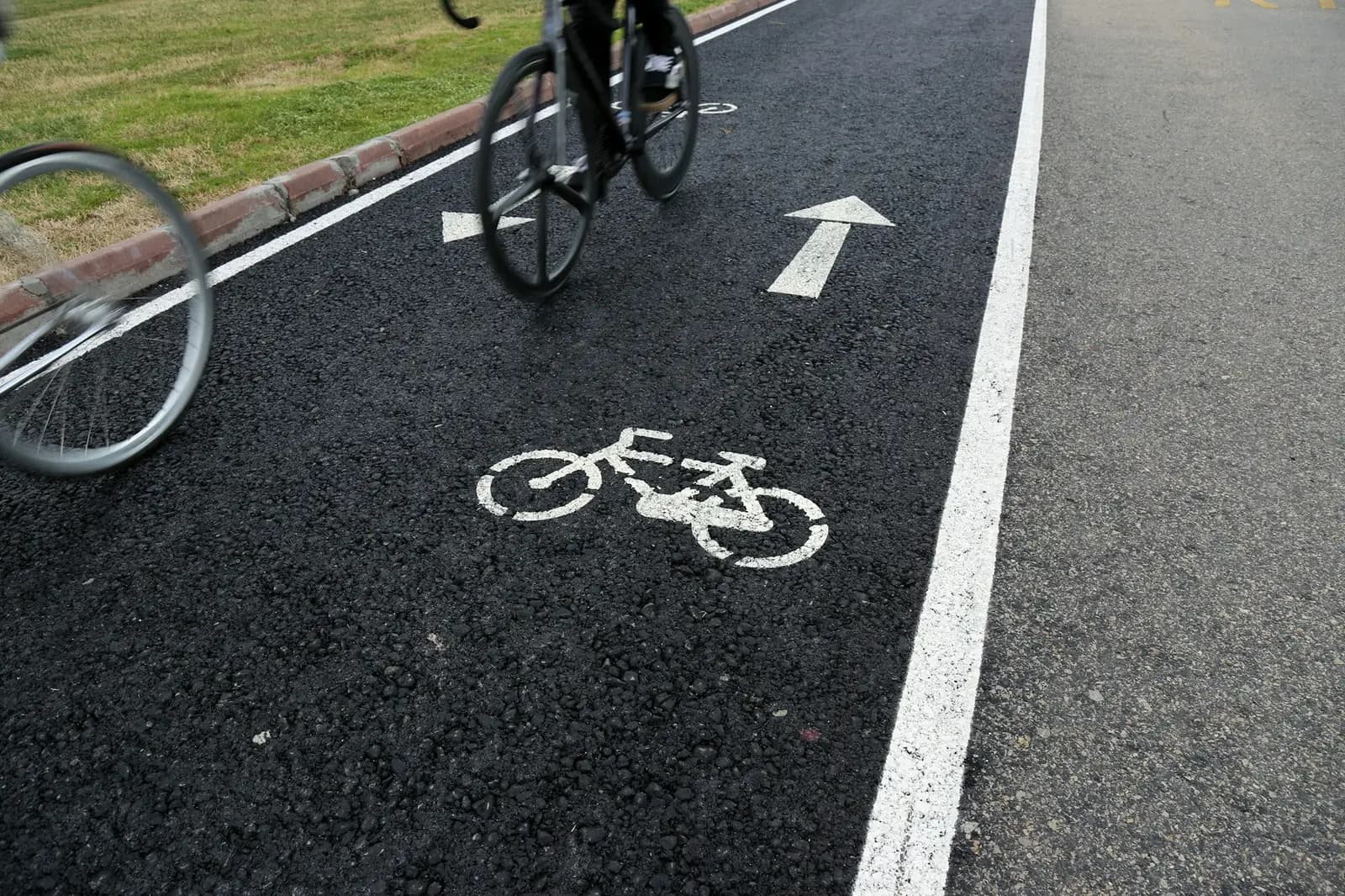
A stretch of Venice Boulevard in Mar Vista was redesigned in 2017 as part of the city's Great Streets program, with fewer car lanes, parking-protected bike lanes and new pedestrian crossings. It drew strong opinions at the time, and it is still something buyers ask about.
For a buyer, the practical point is that the boulevard you see today is the one you are buying next to. Visit at the hours that matter to you. A weekday morning commute, a weekday evening, and a weekend afternoon can each feel quite different. For a seller, it means the comparable sales that matter most are recent ones, because they show how today's buyers react to the street as it is now.
Where the E Line fits in
The Metro E Line, once called the Expo Line, was extended to Santa Monica in May 2016. That extension added stations including Expo/Sepulveda and Expo/Bundy.
Not every buyer cares about rail. For the ones who do, being able to walk or bike to a station can move a home to the top of their list. A buyer who works in Santa Monica or downtown and wants to leave the car at home will often pay attention to the route from the front door to the platform.
Being very close to the line is a separate question. Some homes near the tracks or a station hear the trains, see more foot and car traffic, or sit near parking. A buyer who loves the idea of transit may feel differently after standing outside when a train passes. The only way to know is to go and listen.
How an appraiser looks at it
If your buyer is using a loan, an appraiser will compare your home with recent nearby sales. Fannie Mae's guidelines say that when a home fronts on a street that is not typical for the neighborhood, the appraiser has to address how that location affects its value and how easily it sells.
In practice, that means a home on Venice Boulevard is best compared with other homes on similar busy streets, and less with the quiet block around the corner. If the only comparable sales are interior homes, the appraisal can come in below the contract price, and that gap has to be worked out between buyer and seller. The article on appraisal gaps explains what happens then.
The same logic runs the other way for a home that gains from being near shops or a station. An appraiser will look for sales that share that advantage before giving it credit.
If you are selling near Venice Boulevard or the line
Price is the biggest decision, and it starts with the right comparable sales. Here is what I pull together with sellers:
- Sales on similar streets. Recent closings on Venice Boulevard or other busy Westside streets tell us how buyers are actually treating that exposure today.
- Sales a block or two off. These show what the convenience is worth when the noise is not part of the deal.
- The house itself. Which way it faces, how far it sits back from the street, the windows, and whether the main living space and bedrooms are on the street side.
Then the marketing has to tell the truth about the location and lead with what it does well. If you can walk to dinner, say so and show it. If the bedrooms face a quiet backyard, show that too. Buyers will hear the street the moment they park, so a listing that pretends otherwise only loses their trust.
Small fixes help. Better windows on the street side, a solid fence or hedge, and a front entry that feels separate from the sidewalk all change how the home feels on a first visit.
If you are buying
A home near Venice Boulevard or a station can be a smart buy when the price reflects the trade-off and the trade-off fits how you live. Before you offer, walk the route you would actually use to the places you care about. Visit at a busy hour and a quiet one. Stand in the bedrooms with the windows open. Ask how long the home has been on the market and what similar homes on busy streets have sold for.
Think about resale too. The next buyer will weigh the same location you are weighing now. If you are comparing Mar Vista with nearby choices, the Culver City and Mar Vista comparison and the look at traffic and home value in Del Rey may help you see the pattern across the Westside.
Pulling it together
Being near Venice Boulevard or the E Line is neither a plus nor a minus on its own. It depends on how close, which way the home faces, and who the buyer is. Priced with the right comparable sales and marketed honestly, these homes sell to the buyers who want exactly what they offer.
If you own in Mar Vista and want to know how your location will read to buyers, or you are weighing a home near the boulevard, send me a note here. I handle everything from pricing to closing. No pressure, just real answers. I'm here when you're ready.
Common questions
- Does living on Venice Boulevard lower a Mar Vista home's price?
- A home that faces a busy street like Venice Boulevard is usually priced against the traffic and noise that come with it. A home a block or two away can get the convenience with much less of the noise.
- Is being near an E Line station good for home value?
- For buyers who want to use rail, being able to walk or bike to a station can be a real draw. Homes right next to the tracks or station parking may hear trains or see more traffic, so it depends on the exact spot.
- When did the E Line reach the Westside?
- The E Line extension to Santa Monica opened in May 2016 and added stations including Expo/Sepulveda and Expo/Bundy.
- Will an appraiser account for a busy street?
- Yes. Fannie Mae's guidelines say that when a home fronts on a street that is not typical for the neighborhood, the appraiser must address how that location affects its value and marketability.
- What changed on Venice Boulevard in Mar Vista?
- In 2017 the city's Great Streets project redesigned a stretch of Venice Boulevard in Mar Vista, with fewer car lanes, parking-protected bike lanes and new pedestrian crossings.