2026-11-08 · 6 min read · Mar Vista
How Do I Sell My Mar Vista Home When the Neighbor Is Building a Big New House Next Door?
The short answer
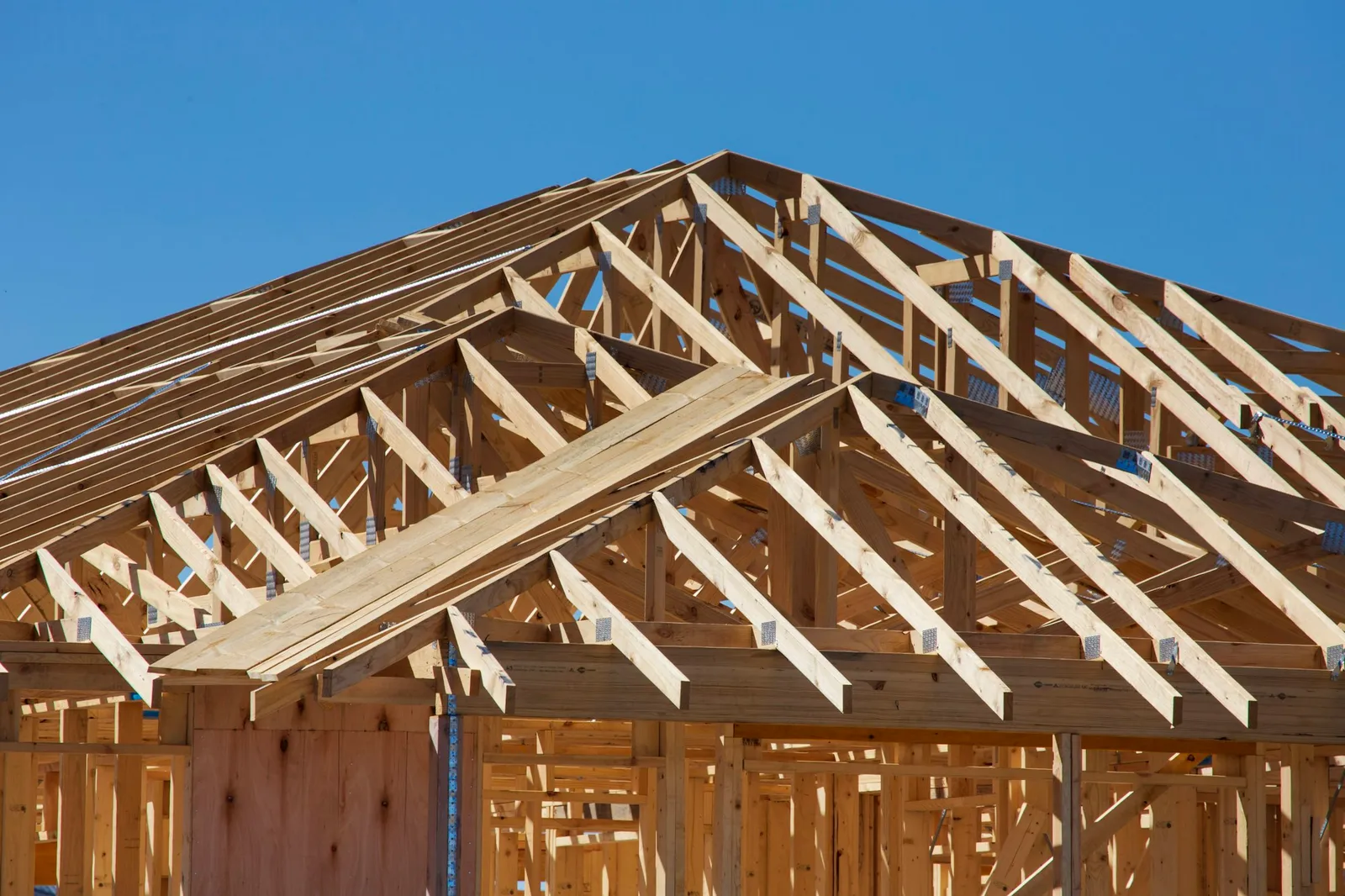
You can sell. A large new house going up next door changes three things: when you list, what you tell buyers, and how you show the home. If you plan for all three, the construction becomes one more fact a buyer weighs, not the reason they walk away.
This comes up often in Mar Vista. Many lots here hold older, smaller homes, and when one sells, the new owner sometimes tears it down and builds something much larger. If you're the owner next door and you were already planning to move, the timing can feel unfair. It is still workable.
First, find out what is actually being built
Buyers will ask, so you want real answers before you list. Start with the facts you can look up instead of guessing from the fence line.
- The permits. The Los Angeles Department of Building and Safety keeps permit records by address. Look up the lot next door to see what was approved, such as a demolition, a new single-family home, or an accessory unit.
- The size. Mar Vista has rules that limit how big a new house can be on a lot. This article on how big you can build explains them. Knowing the rules helps you answer a buyer who asks whether the new house will block light or loom over the yard.
- The stage. A cleared lot, a poured foundation, framing, and finish work are very different to live next to. Note where the project is today.
- The timeline. If you know the builder or the owner, ask how long they expect the work to last. Treat their answer as their estimate, not a promise you repeat as fact.
If you'd like help pulling up a property's records, this guide to the city's ZIMAS map walks through it.
Should you wait until it's finished?
Sometimes waiting makes sense, and sometimes it doesn't. It depends on where the project is and what's driving your move.
Waiting can help when the loudest, messiest stages are happening right now and you have flexibility. Demolition and early site work tend to be the hardest for a buyer to look past. A finished house next door, on the other hand, can read as a sign that people are investing on your street.
Waiting can hurt when you have a deadline, such as a job move, an estate to settle, or a purchase you've already lined up. Months of carrying costs and stress add up. Construction schedules also slip, so waiting for "done" can stretch longer than planned.
There is no single right answer. What matters is making the choice on purpose, with the real stage and timeline in front of you, instead of hoping the issue goes away before photos.
What to tell buyers
Tell them. California's Transfer Disclosure Statement asks sellers whether they know of neighborhood noise problems or other nuisances. Active construction next door is something you know about, and a buyer will see it anyway. Hiding it doesn't make it smaller. It only makes the buyer wonder what else you didn't mention.
Good disclosure here is plain and specific:
- That a new home is being built on the lot next door.
- What the permits show, in simple terms.
- Anything that has affected your home, such as dust, vibration, a shared fence that was removed, or a crack you noticed after work began.
If something on your side was damaged, write it down, take dated photos, and raise it with the neighbor or their builder. A documented issue that is being handled reads very differently to a buyer than a surprise they find at inspection. For anything about legal responsibility between neighbors, ask a real estate attorney. I can help you organize what you have, but that part is their call.
How to show the home well
Construction is mostly a problem of noise, mess and first impressions. You can manage all three.
Schedule around the work. In the City of Los Angeles, the Department of Building and Safety sets the hours when construction is allowed, and no work is permitted on Sundays. Open houses and private showings can be planned for the quieter windows. Ask the builder when the loud work is planned, and avoid scheduling your open house on a day they're pouring concrete or running heavy equipment.
Plan Media Day carefully. Photos, drone images and video should capture your home, not the dumpster next door. We pick the angles, the time of day and, if needed, a day when the site is quiet and tidy. The goal is honest images that show your home at its best, not images that pretend the house next door doesn't exist.
Keep the outside clean. Dust settles on windows, patios and cars. A rinse of the exterior and a window cleaning right before you go live, and again before the open house, makes a noticeable difference.
Lean into what's inside. Double-pane windows, good insulation, a quiet back bedroom or a private yard all matter more to a buyer standing in a home next to an active site. If you have them, we point them out.
How it affects price
Some buyers will pass on a home next to active construction. Others won't mind at all, especially if they see the finished house as a good sign for the street, or if they plan to remodel or expand themselves. Your job is not to convince every buyer. It's to reach the ones who look at the full picture.
When we set your price, we compare your home with what buyers will actually see alongside it. If construction is likely to cost you showings, we talk about that openly and build it into the plan instead of finding out weeks later. Sometimes the right move is pricing with the construction in mind from day one. Sometimes it's a credit or a little more flexibility on your move-out date. I'll walk you through the options with real comparisons, not a guess.
If your home itself needs work, it's worth knowing that too before you list. This article on permit history covers what buyers check on your side of the fence.
A simple plan
- Look up the permits for the lot next door and write down the stage and the expected timeline.
- Decide on purpose whether to list now or wait, based on your deadline and the stage of work.
- Document any effect on your property with dated photos.
- Disclose plainly in writing.
- Schedule photos and showings around the work hours and the loud stages.
- Price against the homes buyers will compare yours with.
Your next step
If the house next door is going up and you're thinking about selling, start by writing down what you know about the project. Then let's look at it together. I'll pull the records, walk the street with you, and give you an honest read on timing and price.
I handle everything from there: the preparation, Media Day, the marketing, the showings and the paperwork. No pressure, just real answers. When you're ready, send me a note here.
Common questions
- Do I have to tell buyers about construction next door?
- Tell them. California's Transfer Disclosure Statement asks sellers about known neighborhood noise problems or other nuisances, and active construction next door is something you know about. Plain, specific disclosure protects you and builds trust.
- Should I wait until the house next door is finished before I sell?
- It depends on the stage of the work and your own deadline. Waiting can help if the loudest stages are happening now and you have flexibility. If you need to move on a set date, listing with a clear plan is often the better choice.
- What hours can construction happen in Los Angeles?
- The Department of Building and Safety sets the hours when construction is allowed, and no work is permitted on Sundays. That helps you plan showings for quieter times.
- Will construction next door lower my sale price?
- It can reduce the number of interested buyers, but not every buyer minds. We price against the homes buyers will actually compare yours with and plan for the construction from the start instead of reacting later.
- What if the neighbor's construction damaged my property?
- Document it with dated photos, raise it with the neighbor or their builder, and disclose it. For questions about who is responsible, talk with a real estate attorney.