2026-06-09 · 6 min read · Westwood
Living in Westwood: A Los Angeles Neighborhood Guide
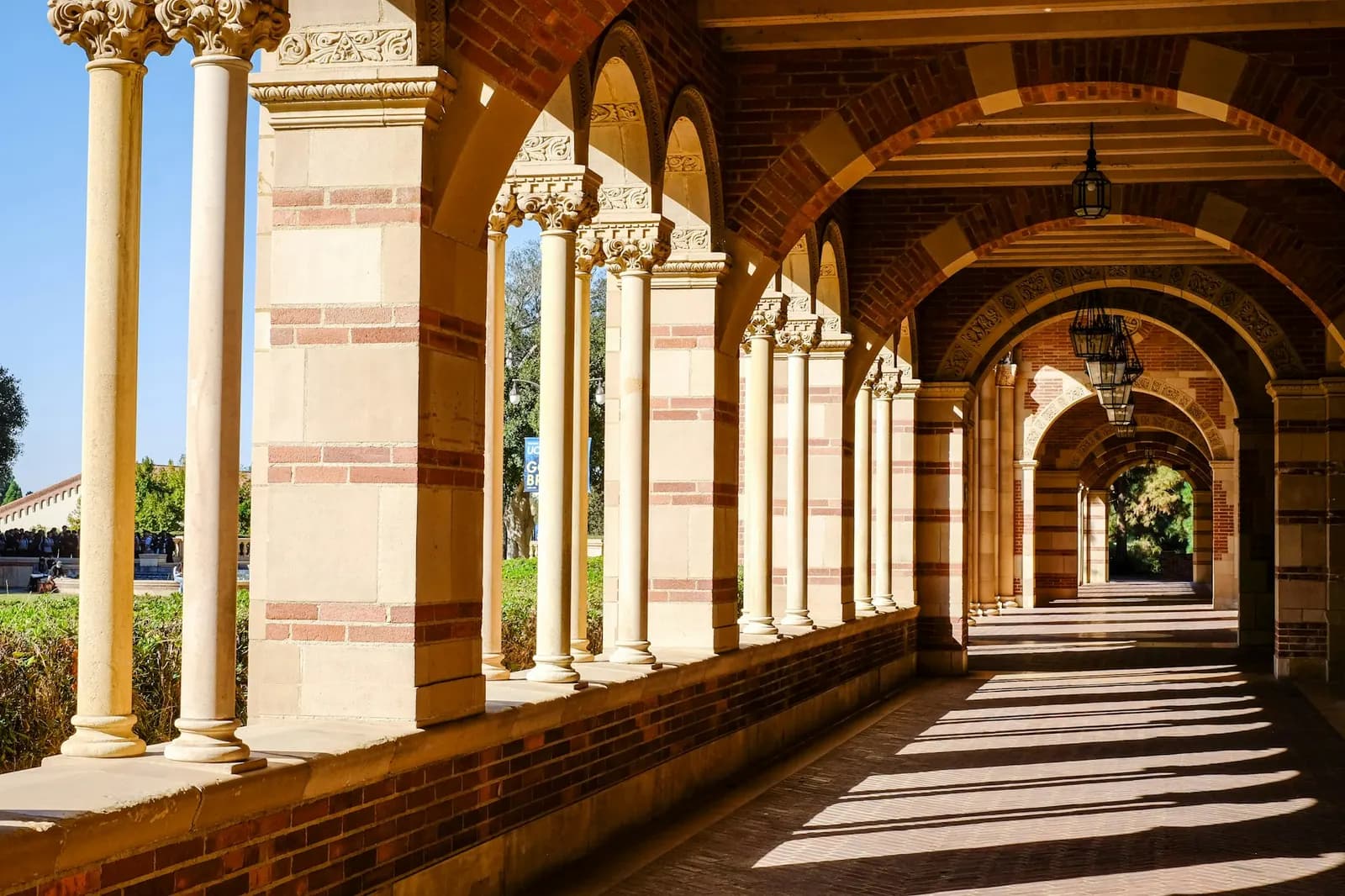
Where Westwood sits
Westwood sits roughly at the center of the Westside, bordered by Beverly Hills and Century City to the east, Bel Air to the north, Brentwood to the west, and West Los Angeles to the south. It is where the 405 freeway, a major research university, and some of the most genuinely walkable streets in the city converge in one place.
I work across the Westside, including Westwood and the neighborhoods around it. Here is what I tell people who are thinking about buying here.
Westwood Village
The Village is the commercial center, and it offers something rare in Los Angeles: you can walk to it. Restaurants, coffee shops, a grocery store, a pharmacy, movie theaters, and the UCLA campus are all within walking distance from most of Westwood proper.
Before the regional shopping malls arrived in the 1970s and 80s, Westwood Village was one of the most active entertainment and retail districts in Southern California. It has not returned to that peak, but it remains more alive than most LA neighborhoods. Buyers who have tried to find walkable day-to-day life in other parts of the Westside consistently point to Westwood as one of the few places where it actually works.
UCLA and the neighborhood character
UCLA anchors the north end of Westwood and defines a lot about the neighborhood's daily energy. Campus life, events, and visitors create consistent foot traffic and activity through most of the year.
The Hammer Museum offers free admission and regular programming. Royce Hall draws performers and audiences from across the city. On game nights at Pauley Pavilion, the whole area around campus picks up. For buyers who want an active neighborhood that feels alive year-round, that energy is an asset. For buyers who want quiet streets and privacy, quieter neighborhoods such as Brentwood or Playa del Rey are a better starting point.

The housing stock
Westwood's real estate ranges from mid-century condominiums and apartment buildings near the Village to single-family homes as you move north and uphill. The neighborhood has a few informal sub-areas that matter:
- Westwood proper, closest to the Village and UCLA, is more dense with a mix of condos, apartment buildings, and smaller homes.
- Westwood Hills, moving north and uphill toward Bel Air, has single-family homes on steeper terrain, some with views over the city, and a quieter residential character.
- The Westwood Corridor, running south toward Santa Monica Blvd, is more dense with a higher share of apartment and condo buildings.
Where you land within Westwood affects daily life and resale profile in ways that are not obvious from a ZIP code. I can walk you through the sub-areas in detail before you start touring.
Location and commute
Westwood's central Westside position is one of its clearest advantages. Century City and Beverly Hills are minutes away. Santa Monica and the beach are accessible on surface streets. Downtown Los Angeles is reached by the 405 to the 10.
The 405 itself is a factor to be realistic about. Southbound toward Marina del Rey and the beach is generally manageable. Northbound toward the San Fernando Valley during morning rush is among the slowest commutes in Los Angeles on most days. If your regular drive is northbound in the morning, map it at the actual time you would leave before you buy.
The Metro E Line (Expo Line) serves the area with a stop nearby. For buyers who commute to downtown, USC, or the Culver City corridor regularly, the rail connection changes the daily math.
Westwood Boulevard south of Wilshire
The stretch of Westwood Blvd south of Wilshire has a long-established row of Persian restaurants, bakeries, and shops, with a commercial character built over several decades.
The food alone is worth knowing about. It is worth walking this stretch before you start touring homes nearby.
Schools
Most of Westwood is served by the Los Angeles Unified School District. School boundary lines shift over time, and which schools serve a specific address can vary by a few blocks. Always verify current boundaries directly with LAUSD before making any decision based on school assignment. Several private schools are also located within a short drive of Westwood.
The trade-offs worth knowing upfront
Westwood is not a quiet suburban neighborhood. Density near the Village, UCLA events, and commercial activity on the main corridors create noise and street activity that a neighborhood like Mar Vista or Playa del Rey simply does not have.
What you get in exchange is genuine walkability in a city where that is rare, a central Westside location, strong long-term demand that supports resale values, and a neighborhood that stays active and populated throughout the year rather than going quiet.
If walkability and centrality matter more than quiet and space, Westwood is worth serious attention. If quiet and space matter more, the neighboring areas offer both. For a comparison, browse the guides to Mar Vista, Century City, and Playa del Rey.
A note on current prices
I do not publish specific median prices here because they shift and numbers in articles age fast. What I can say is that Westwood sits at the higher end of Westside pricing relative to most of its neighbors, which reflects location fundamentals that tend to hold: walkability, the UCLA anchor, proximity to the Century City employment base, and consistent demand from buyers who prioritize those things.
If you want a current picture of what homes are actually selling for in Westwood right now, that conversation is more useful than anything I could print here. Reach out for a consultation and I will walk through recent comparable sales with you. No pressure, just real answers.
If you want to talk it through
The buyers who do well in Westwood are the ones who understood the ground before they started touring. If you want that briefing before you look at anything, let me know. First Key Pacific starts every buyer the same way.
Common questions
- Is Westwood a good area to buy a home in Los Angeles?
- Westwood has strong fundamentals for long-term ownership: walkability that is rare in Los Angeles, a central Westside location, proximity to major employment in Century City and Beverly Hills, and consistent buyer demand driven by the UCLA anchor. Whether it is the right fit depends on your priorities. Buyers who want quiet and space often prefer adjacent neighborhoods. Buyers who want walkable daily life and a central location consistently choose Westwood.
- How walkable is Westwood compared to other Westside neighborhoods?
- Westwood Village is one of the most walkable commercial districts in Los Angeles. From most addresses in Westwood proper, you can walk to groceries, restaurants, coffee, a pharmacy, and the UCLA campus. That level of walkability is uncommon on the Westside. Neighboring areas like Mar Vista, Marina del Rey, and Playa del Rey are more car-dependent for daily errands.
- What is the difference between Westwood and Brentwood?
- Westwood sits closer to UCLA and the Village, with more density and urban activity. Brentwood, directly to the west, has larger lots, quieter streets, and a more suburban feel, with higher price points for single-family homes. Brentwood has San Vicente Blvd as its walkable spine but is generally less dense than Westwood. Both are premium Westside addresses with different daily-life trade-offs.
- How far is Westwood from the beach?
- Westwood is roughly 5 to 7 miles from Santa Monica Beach on surface streets, which translates to 15 to 30 minutes depending on traffic and time of day. Marina del Rey and Playa del Rey are a similar drive southbound on the 405 or Lincoln Blvd. The beach is accessible, though rush-hour traffic on westbound surface streets and the 405 can add time during peak hours.
- Is there a strong rental market in Westwood, and does that affect buying?
- Yes, the rental market in Westwood is consistently strong because of UCLA. That has two effects for buyers: homes tend to stay in demand, which supports resale values, but competition for purchase inventory can also come from investors alongside owner-occupants. If you are buying to live in the home long-term, the strong rental demand works in your favor for eventual resale.