2026-09-07 · 7 min read · Playa del Rey
Is My Playa del Rey Home in the Coastal Zone? What Changes If It Is
The short answer
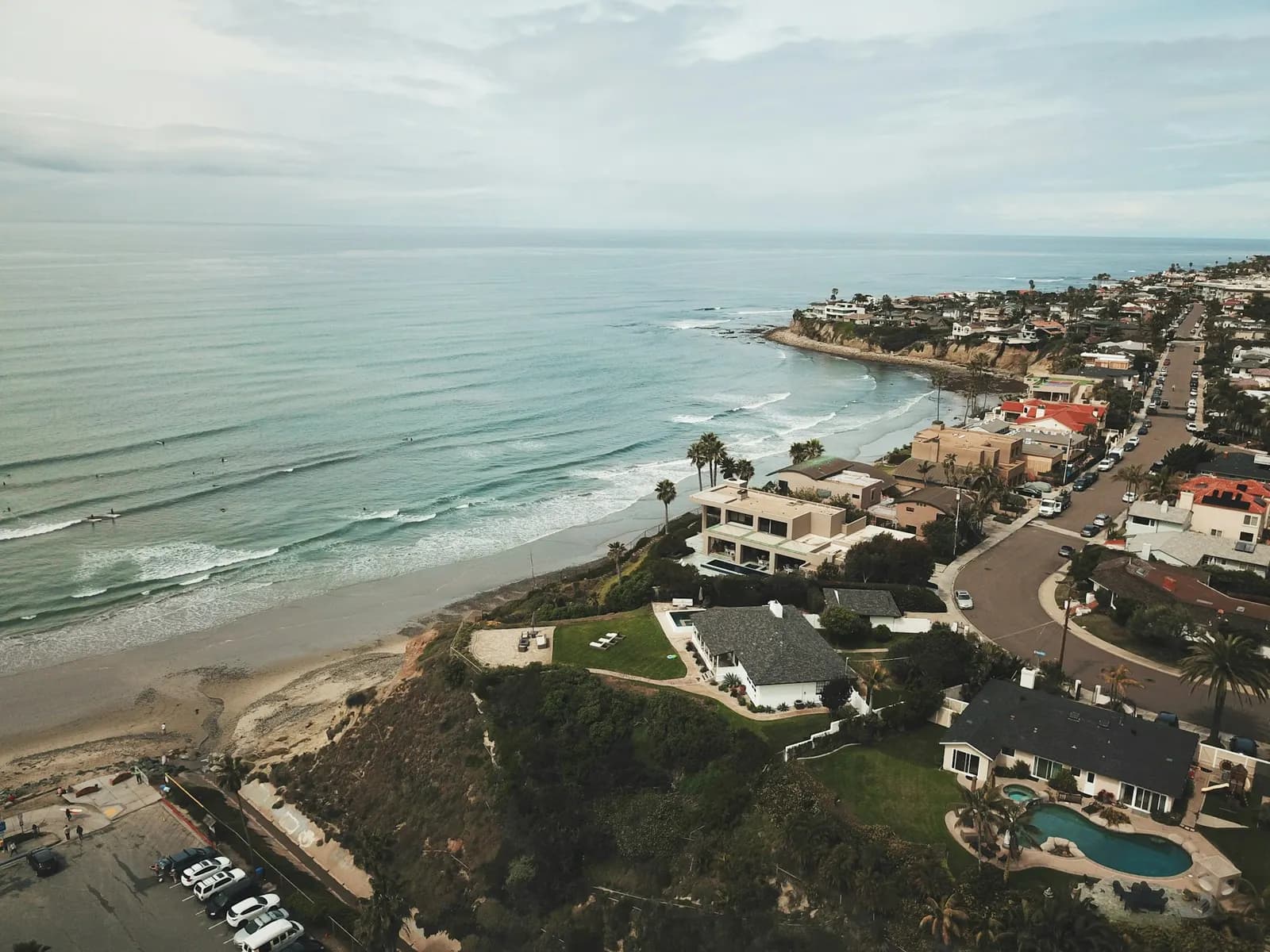
A large share of Playa del Rey sits inside the California Coastal Zone. Plenty of homes a few blocks inland do not. The boundary is a line on a map drawn by the state, not a judgment about how close you are to the water, and two houses on the same street can end up on opposite sides of it.
If your address falls inside, one thing changes. Certain work on the property needs a Coastal Development Permit before the City will issue a building permit. That is the whole story in a sentence. It is not a restriction on selling, it is not a cloud on your title, and it does not make the home harder to own. It is a permitting layer, and the moment to understand it is before you plan an addition or before you write an offer, not on day twenty of escrow.
At First Key Pacific, this question usually comes from one of two people. An owner sketching out a second story, and a buyer who saw the phrase in a listing remark and could not tell whether it was a warning. Neither of them needs to worry. Both of them should know how to check.
What the Coastal Zone actually is
The California Coastal Act, passed in 1976, created the California Coastal Commission and drew a Coastal Zone along the length of the state's shoreline. Inside that zone, the state has a say in how land gets developed, with the stated goal of protecting public access to the coast and the coastal environment itself.
The width of the zone is not uniform. In some stretches it runs a few hundred yards inland. In others it reaches much further. That is why proximity to the sand is a poor guide. The only thing that settles it is the map.
The permitting itself runs through a document called a Local Coastal Program, which is a local government's own plan for its slice of the coast. Where the Coastal Commission has certified that plan, the city reviews and issues most Coastal Development Permits directly, and some of those decisions can still be appealed to the Commission. Where a certified plan is not in place, the Commission handles the permit itself. The City of Los Angeles covers a long and varied coastline, and how a given parcel is handled depends on which planning area it falls in.
The practical translation for a homeowner: the review layer exists, who runs it depends on your address, and the answer is knowable in an afternoon.
How to find out whether your address is inside
This is the part most people skip, and it is the easy part.
The City of Los Angeles publishes a parcel lookup that returns the planning and zoning designations recorded for a specific address, including whether it carries a coastal designation. The California Coastal Commission also publishes mapping of the Coastal Zone boundary. Between the two, you can usually settle the question yourself in about ten minutes.
If the two sources seem to disagree, or if your parcel sits near the boundary, call the City planning counter and ask about the specific address rather than the block. Boundary parcels are exactly where a general answer goes wrong.
One thing that will not answer this question is your preliminary title report. Coastal Zone status is a regulatory designation, not a recorded encumbrance against the property, so it does not appear there the way something like a recorded avigation easement does. People conflate the two constantly. A title report tells you what is recorded against your land. Zoning and coastal designations live somewhere else entirely.
What it changes when you want to remodel
Here is where it becomes real. Under the Coastal Act, the word development is defined broadly. It reaches past new construction into things like additions, grading, certain demolitions, and changes to how a property is used. That is wider than most owners assume when they picture a permit.
There are exemptions. Ordinary repair and maintenance, and some improvements to an existing single-family home, can fall outside the permit requirement. Those exemptions get narrower as you get closer to a bluff edge or the shoreline, and they can turn on the size of what you are adding. Because the thresholds vary by location and by the language of the applicable plan, treat this as a question to ask about your actual address rather than a rule you can carry from a neighbor's project to yours.
The consequence that matters most to a homeowner is time. A project that needs a Coastal Development Permit carries a review step ahead of the building permit, and that step has its own schedule. If you are planning work around a sale, a school year, or a lease ending, ask about the coastal review at the start of the design conversation rather than after the plans are drawn. Architects who work this stretch of coast build it into their timeline as a matter of course. Ask yours whether they have.
What it changes when you sell
Less than people expect, and more than people expect, depending on the house.
For a home where every improvement was permitted properly, Coastal Zone status is a fact you note and move past. It does not slow a standard sale, it does not affect financing, and a buyer's lender has no interest in it. Buyers who plan to remodel will care, which is a good reason to have the answer ready rather than guessing at it during a showing.
The exposure sits with work that was done without the permits it needed. An addition that never went through coastal review is a permit problem, and permit problems surface. They show up when the square footage in the City's records does not match what the appraiser measures, when an inspector notices framing that does not match the file, or when the buyer pulls the permit history themselves. California's Transfer Disclosure Statement asks a seller directly about additions and alterations made without permits, and the honest answer belongs there. My guide to unpermitted work when selling walks through how that plays out, and the broader California seller disclosure guide covers what else is owed.
Disclosed early, a permit gap is a negotiation about price or repairs. Discovered late by the other side, it becomes a question about everything else you said. That is the difference worth managing.
A short list to work through before you list or before you offer
Every item here is answerable with a document or a phone call.
- Confirm the designation for the address. Not the neighborhood, not the block. The parcel.
- Pull the permit history from the City. Compare it against what is physically standing on the lot today.
- Match the square footage. County records, the listing, and the tape measure should agree. When they do not, find out why before anyone else does.
- Ask about any past coastal approval. If prior work went through review, there is a file, and conditions attached to an approval can carry forward.
- Sellers, write down what you know about unpermitted work. Dates, scope, who did it. Vagueness in a disclosure reads worse than the underlying issue.
- Buyers, ask before you plan. If your offer depends on adding a bedroom or a second story, get the coastal question answered while your contingencies are still in place.
None of this requires a specialist. It requires someone to actually do it, early, in writing.
Where this leaves you
The Coastal Zone is one of a handful of things on the Westside that genuinely changes how a property works, in the same category as a ground lease in the Marina or an easement recorded against a parcel near the airport. It is not a defect and it is not a reason to walk away from a house you want. It is a structure, and structures reward the people who read them.
If you are getting to know the area first, the Playa del Rey neighborhood guide is the place to start, and the breakdown of the three similarly named neighborhoods clears up the confusion that sends people to the wrong map in the first place. When you are ready to talk about a specific property, bring me the address.
Planning a remodel, or looking at a home and unsure what you would be allowed to do with it? Get in touch and we will pull the records together before you commit to anything. No pressure, just real answers.
Common questions
- Is all of Playa del Rey in the California Coastal Zone?
- No. A large share of the neighborhood falls inside the mapped boundary, and homes further inland fall outside it. The line does not follow street grids or neighborhood names, so the only reliable answer comes from checking the specific parcel on the City's parcel lookup or the Coastal Commission's mapping.
- Does being in the Coastal Zone lower what my home is worth?
- It is a permitting layer, not a defect in the property. Buyers price condition, location, and what they can realistically do with a home. A Coastal Zone designation matters to a buyer who intends to build or add on, which is a reason to have the answer ready rather than a reason to expect a lower number.
- Do I need a Coastal Development Permit to remodel a bathroom?
- Often no. Ordinary repair and maintenance and some improvements to an existing single-family home can be exempt, though the exemptions narrow near a bluff edge or the shoreline and can depend on the scope of the work. Ask the City about your specific address and the specific project before you finalize plans.
- Will the Coastal Zone show up on my preliminary title report?
- No. Coastal Zone status is a regulatory designation rather than something recorded against the property, so it does not appear as a title exception. That is different from an easement or a lien, which does. Check zoning and planning records for this one.
- Do I have to disclose that my home is in the Coastal Zone when I sell?
- The bigger disclosure obligation is about work done without required permits, which California's Transfer Disclosure Statement asks a seller about directly. If an addition or alteration went in without the approvals it needed, that belongs in your disclosures. Share what you know about the property's permit history and let the buyer verify it.
- How long does coastal review add to a remodel?
- It varies by project, by the reviewing body, and by whether the decision is appealable. Treat it as a step with its own schedule and raise it at the start of the design process rather than after the plans are drawn, so the timeline reflects it from the beginning.